It is important to select the appropriate 100 Amp DC contactor because this device will directly affect the dependability of that electrical system, particularly in applications where the primary current source is a direct current (DC) circuit. A contactor functions to facilitate switching of heavy electrical load which is essential to many industries such as automotive, industrial automation, etc. This paper was developed to assist you in understanding the most important features when choosing an appropriate 100 Amp DC contactor.
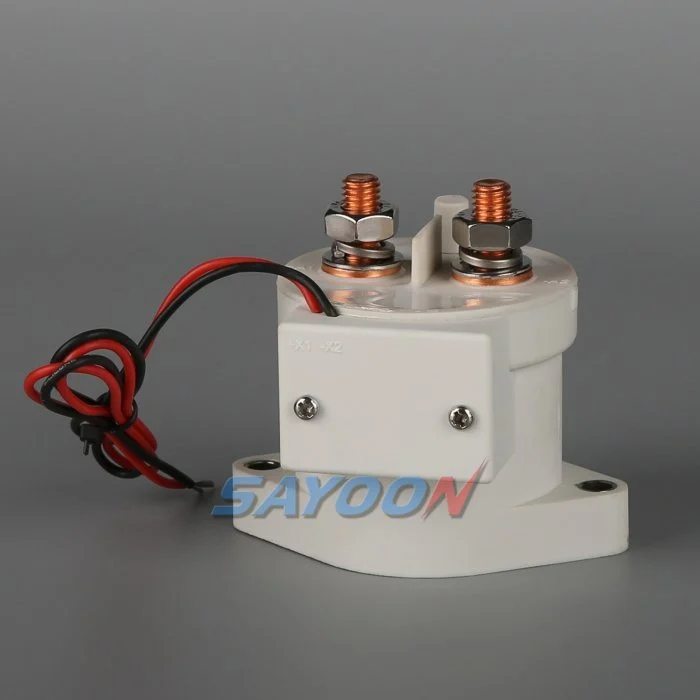
Key Factors to Choose a Suitable 100 Amp DC Contactor
When selecting a 100 Amp contactor, consider the following key factors:
1. Amp Rating: Double check that the amperage rating of the contactor corresponds to your application requirements. A contactor rated at 100 Amps dc must be able to handle such current without becoming too hot for its continued safe and effective operation without risk of failing.
2. Coil Voltage: Proper selection of the coil’s voltage is critical for the proper functionality and long-term reliability of the control circuit, matching the low-voltage control circuit voltage (typically 12V, 24V, 48V).
3. Configuration and Number of Poles: Evaluate your application in order to establish the best type of contactor for use. Multi-pole contactors provide a means to control multiple loads at once, and they are well-suited for applications with complex circuit design.
4. Contact Material: The type of material from which the contacts are made will affect both their performance and how long they last. For example, copper provides good conductivity, while silver-based contacts will provide greater resistance to welding and corrosion, which means that those types of contacts are usually the best choice for DC applications.
5. Electrical Life and Mechanical Life: Verify appropriate electrical and mechanical lifespans for the contactor; if the electrical life is longer than that of its mechanical counterpart, it demonstrates respect for long-term endurance while continually being utilized and therefore able to be used more efficiently in challenging conditions.
Tips for Selecting a 100 Amp DC Contactor
Here are additional tips that can help you make an informed decision:
– Evaluate the type of load: determine whether the load is resistive, inductive or capacitive; this will affect your contactor selection as different types of contactors have different capabilities to handle each type of load.
– Consider the environmental conditions. If the contactor will be exposed to harsh environments, ensure that it has the appropriate ingress (IP) protection rating to withstand moisture, temperature changes, and dust.
– Look Out for Safety Features: When selecting contactors, you can enhance both safety and limit damage to the circuit by purchasing units that include built-in safety features like overload protection.
Ultimate Guide to Picking 100 Amp DC Contactors
Choosing a 100 Amp DC contactor will greatly affect how well your electrical system operates both reliably and successfully. Critical areas that should be considered are amp rating, coil voltage, and whether or not the contactor is suitable for the environment in which it will be used when selecting a contactor that meets operational requirements while keeping everyone safe and efficient.
Also, by referring to manufacturer specifications, you will have useable information that allows you to properly find a suitable contactor for your application. Keep in mind as well that if you are going to expand your electrical system or load requirements in the future you will want to account for the possibility of future expansion.
FAQs About 100 Amp DC Contactors
Q: What is the primary function of a 100 Amp DC contactor?An electrically controlled switch that can switch on and off, or control high current DC circuits, with a load of up to 100 amps. A contactor allows for the, economically, safe and controlled operation of heavy electrical loads.
Q: Can a 100 Amp DC contactor be used for both AC and DC applications?A: Some contractors can handle both AC and DC voltage; however, contractors specifically designed to contact DC loads should be utilized when working with DC applications. Contractors designed to control direct (DC) current can handle the specific characteristics associated with direct (DC) current to maximize efficiency and durability.
Q: How can I tell if my contactor is suitable for my application?Q: Find out if the specifications will work for your application and what environmental requirements they’ll need to meet. Use the datasheet from the manufacturer of the contactor; it should have details among other things such as; amp rating, voltage, contact material and estimated electrical life of the contactor.
Q: What maintenance is required for 100 Amp DC contactors?A: The primary maintenance tasks that assure proper operation of the contactor are routine inspection to identify wear and tear, cleaning contacts to eliminate dirt or oxidation from the surface, and checking coil operation to see if it is functioning as expected.
Q: Are there alternatives to contactors for switching DC circuits?A: There are alternatives available such as solid state relays that are suitable for some applications; however, it is important to note that these alternatives may not be appropriate for high-current systems or may not provide certain advantages over DC contactors including mechanical durability.
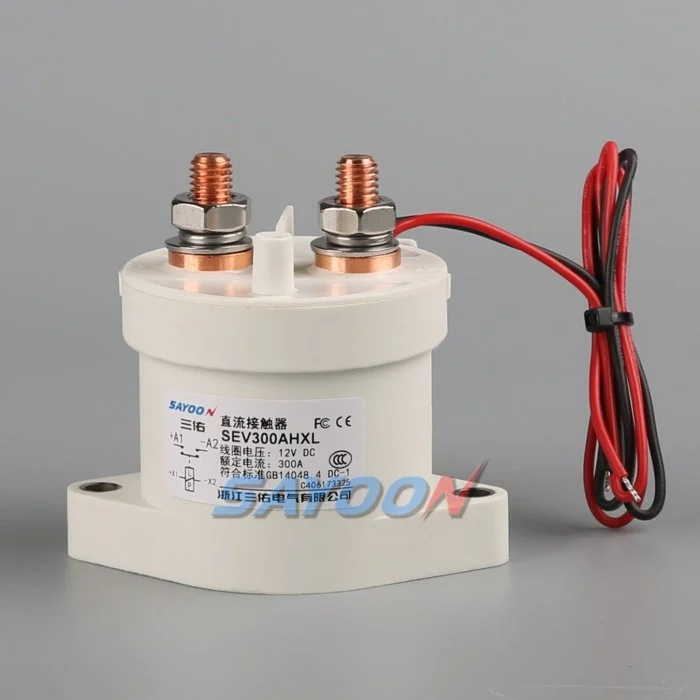
Summarizing; Choose an appropriate 100-amp contactor carefully based on your needs, the working conditions, and the technical specifications. Example considerations include; coil voltage, environmental protection, amp rating etc… to determine which contactor will give you the longest life and best performance for your systems.