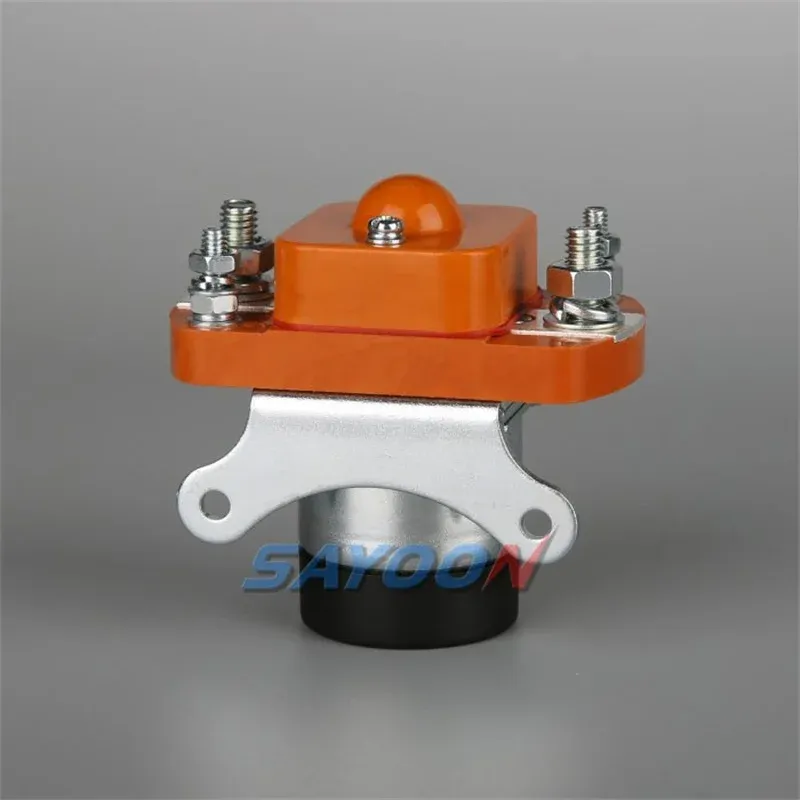
Selecting a good 100A DC contactor is critical for dependable performance in many different applications from electric vehicle charging stations to renewable energy systems. This guide will help you better understand major specifications related to the 100A DC contactor, select the appropriate one based on the applications they will be used in, and compare various products.
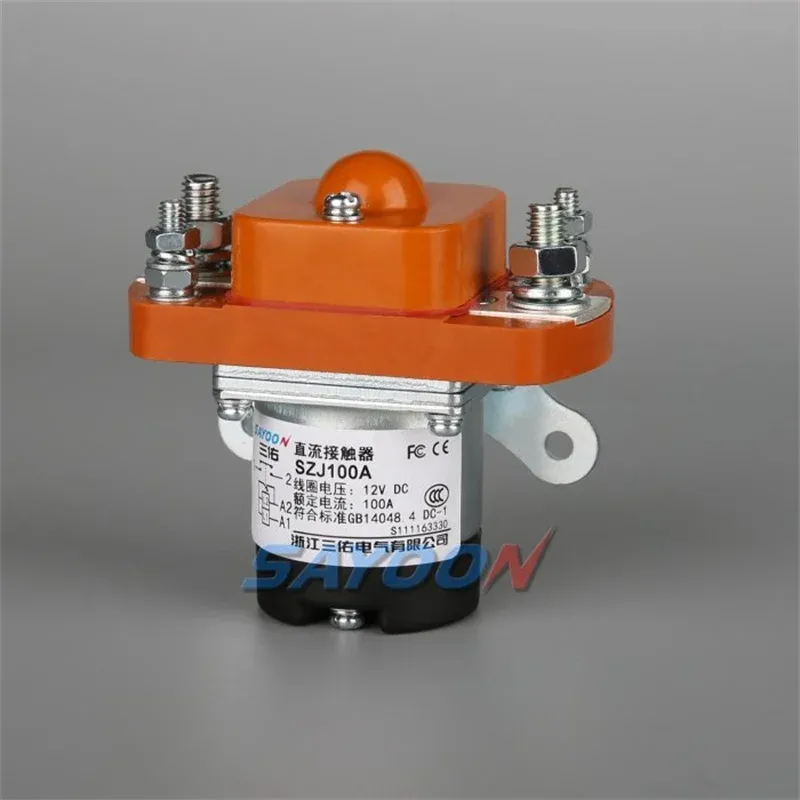
Key Specifications to Check Before Selecting a 100A DC Contactor
When choosing a 100A DC contactor, there are a number of specifications that will significantly affect performance and safety. These include:
1. Voltage Rating: Check that the contactor you select for use has a voltage that corresponds to your application’s voltage, depending upon whether you have 12V, 24V, or 48V. An example of an application would be a 48 Volt DC contactor rated for 100 amps is good for many high-performance applications such as electric vehicle charging stations.
2. Current Rating: Verify that the contactor has a rated capacity of 100A or higher. A safety margin should always be allowed, this helps to prevent component failure or overheating at peak loads.
3. Coil Voltage: Ensure that your coil voltage matches the specifications of your circuit, whether 12V, 24V, or some other voltage requirement; otherwise, you will have problems getting the coil to operate correctly.
4. Operating Temperature Range: Find a contractor who will function effectively in the temperature range of your environment. Your performance could degrade from high temperatures, so if needed, choose products designed to endure climatic extremes.
Selecting a 100A DC Contactor for EV Charging Applications
The demand for reliable 100A DC contactors has been growing alongside the rise of electric vehicles over the past few years. When you are using electric vehicles to charge them properly, you need to use a contactor that has been designed to work with high frequencies and fast switching speeds. This ensures that you are using a contactor that will safely manage the higher amounts of current needed by electric vehicles.
Additionally, take into account how long a contactor has been operating before you make any decisions. Continuous use will also cause components to begin to wear out over time. Choose contactors made from strong construction materials that are able to perform successfully through many cycles of making and breaking connections without failing.
100A DC Contactor vs DC Relay: When to Choose Each
By being able to identify how a 100A DC Contactor is different from a DC Relay will help you make an informed decision on which product will be best for your situation. Normally DC Relays get used in lower current (less than 30A) applications, where they operate more slowly and produce poorer performance than a Contactor. Most importantly, Contactor types were designed for higher current levels and have significantly longer lifespans when operated under high stress conditions.
The 100A DC contactor is the preferred option for applications with large loads (current), requiring high speed and efficiency, for example in electric vehicles or commercial equipments. With less demanding systems or small systems, a DC relay may be adequate.
Frequently Asked Questions (FAQ)
1. What are some common applications of a 100A DC contactor?
The 100A DC contactor is widely used in several applications, including EV charging systems, heavy duty industrial equipment, renewable energy systems (like solar power storage), marine and forklift applications, and battery management systems.
2. Can I use a 12V 100A DC contactor for other voltage systems?
The coil voltage for a contactor must be in line with the voltage which the system operates at; thus, if your system is a 12V system, then you would use 12V coil voltage contactors such as a 12V 100A DC contactor. If you use an incorrect voltage, either above or below what is intended for that device, you will damage the device and it will not function properly.
3. How do I select a contactor with the right life expectancy?
When searching for contactor devices, look for devices designed to last a prescribed electrical and mechanical cycle number. For some applications where frequent on/off operation occurs, durability of the device is necessary, making it paramount that devices meet both of these requirements with the lowest amount of downtime and maintenance.
4. Are all 100A DC contactors suitable for EV applications?
No, none were created to be used for such purposes. The needs of EV applications need DC contactors that can manage high-current loads, have fast switching times and run reliably in fluctuating temperature environments.
5. What are some key brands for 100A DC contactors?
Several well-known manufacturers create DC contactors with a higher-than-average quality level including TE Connectivity, Kilovac, Albright, and Gigavac. All four companies provide different styles/ranges of products that can be used for a variety of applications.
Conclusion
Select a 100A dc contactor. Consider the application – voltage, current ratings, and operational conditions. Understanding the differences between contactors and relays and how to answer common questions will help you with your decision regarding which type of device is best for your application and provide reliability and performance to your electrical systems.