Ready for a DIY Electrical project? Wiring a 120v coil contactor wiring is simple, as long as you have all the information you need. This article is going to teach you everything that you need to know about 120v coil Contactors so that you can feel safe and knowledgeable while completing your project!
What is a 120v Coil Contactor Wiring?
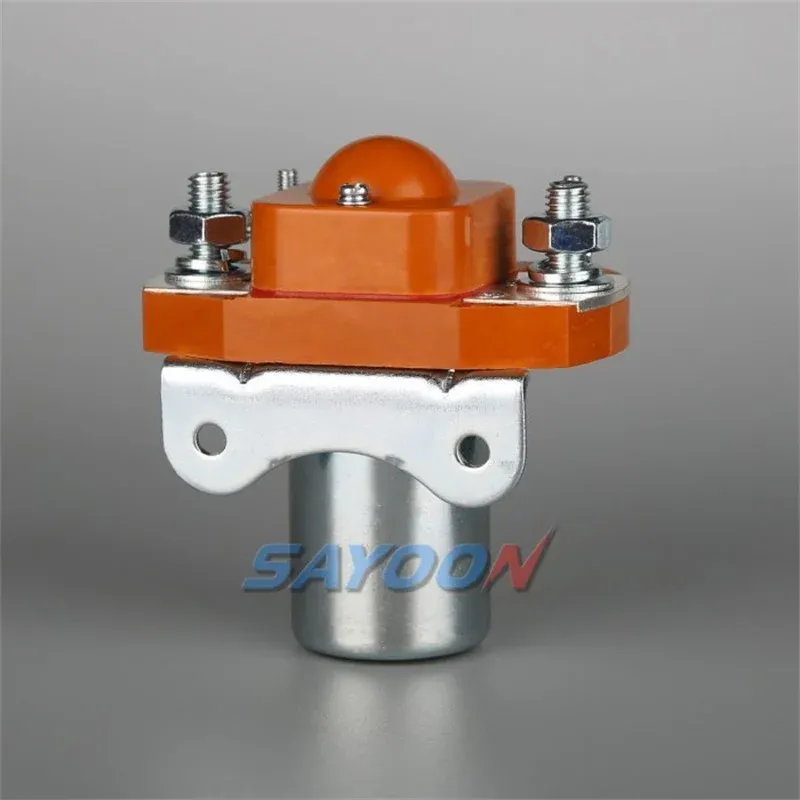
A 120V coil contactor wiring is an electrical switch controlled by a low voltage input and is used to turn on/off larger electrical devices such as motor, light, and HVAC systems. It can also deal with the high amount of voltage (or “inrush”) that is generated when turning on those larger devices and therefore service both commercial and residential applications.
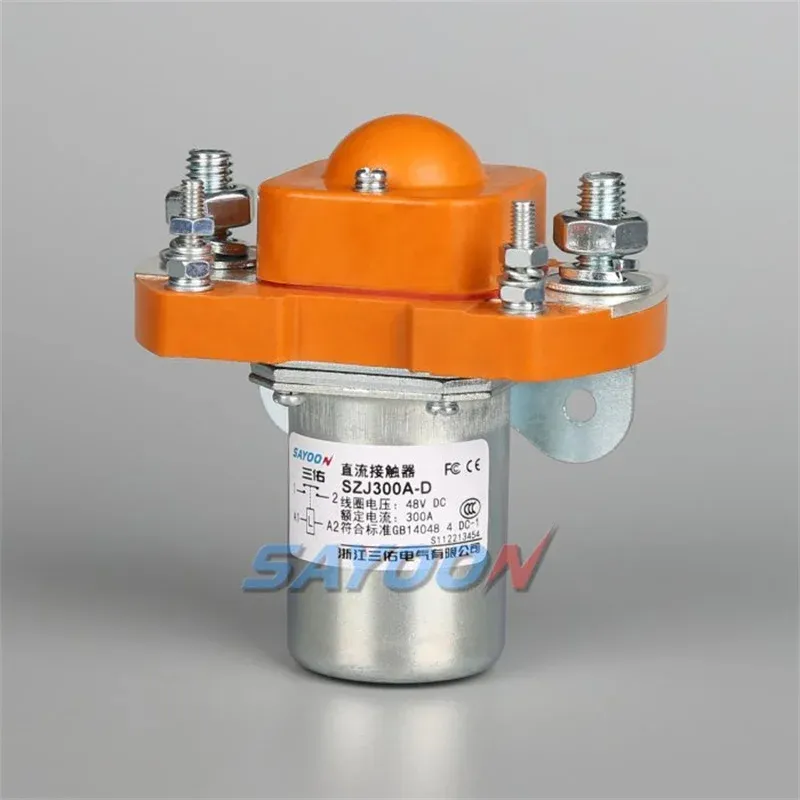
Understanding 120v Coil Contactor Terminals
You should take time to get familiar with the contactor before beginning the wiring process so you know how the contactor is wired. Below is a breakdown of common types of terminals you will find on a typical contactor:
- L1 and L2: These terminals connect to the incoming power supply.
- T1 and T2: These terminals send power to the load (the device you’re controlling).
- A1 and A2: These terminals connect to the coil that activates the contactor.
Step-by-Step Wiring Instructions for a 120v Coil Contactor
Now that you understand the components, let’s move on to the step-by-step wiring instructions:
- Turn Off Power: The importance of safety cannot be overstated! Always confirm that there is no electricity being supplied to any electrical circuit that is in need of your service.
- Connect Power to L1 and L2: Use 12 or 14 gauge wire to connect your power supply to the L1 and L2 terminals of the contactor.
- Connect your Load to T1 and T2: Next, attach the load—whether it’s a motor, light, or appliance—to the T1 and T2 terminals.
- Wire the Coil to A1 and A2: The last step is connecting the control switch to A1 and A2. This control switch will control the contactors.
Common Wiring Mistakes and How to Avoid Them
When connecting a contactor, even a small mistake can result in a larger issue. Below is a list of some common mistakes to look out for when wiring a contactor:
- Inadequate wire sizing: Ensure your wires are appropriate for the current load to avoid overheating and potential hazards.
- Incorrect terminal connections: You must verify that all wires are connected to their respective terminals correctly so that the system maintains its integrity.
- Neglecting to secure connections: Loose connections can lead to arcing, which poses fire hazards. Always ensure connections are tight and secure.
FAQ
The following FAQ will help answer all your common questions concerning 120V coil contactor wiring.
1. How do I know if I need a 120v coil contactor wiring for my project?A 120-volt coil contactor is an excellent option if you have an electric device (like a motor, large light, or heating, ventilation, and air conditioning (HVAC)) that has more electrical power than you can control with the lower voltage signal. Check with your manufacturer’s specifications before selecting a specific type of contactor for the application.
2. Can I use a 120v coil contactor for a 240V system?Using a coil contactor rated for 120 volts in a heater rated at 240 volts can lead to catastrophic failure of the coil contactor. Using the wrong voltage may also lead to failure of electrical equipment controlled by the coil contactor. Always ensure that your application is made to the right voltage specifications for both your equipment and the coil contactor before implementation.
3. What size circuit breaker should I use with a 120v coil contactor?The circuit breaker`s size is determined by the load that is being controlled. The proper size can be calculated using the specifications for contactors and the requirements of your region’s electrical codes.
4. Where can I find a 120v coil contactor wiring diagram?The complete wiring diagram for a contactor with a 120V coil can be found in the installation manual or product manual. If the manual or product manual does not contain a full wiring diagram, the manufacturer’s website or experienced technicians may have one as well.
Conclusion
Being able to correctly wire a 120v coil contactor wiring is a handy skill for many different uses at home or work. Knowing what parts make up a 120v coil contactor, along with proper wiring instructions and safety measures, will allow you to easily complete your wiring project. In addition to the wiring instructions, seeing images and answering frequently asked questions related to wiring this type of equipment will also help you better understand the entire process. Be sure to check your wiring again once it is complete and put safety first when wiring. Good luck with your wiring project!