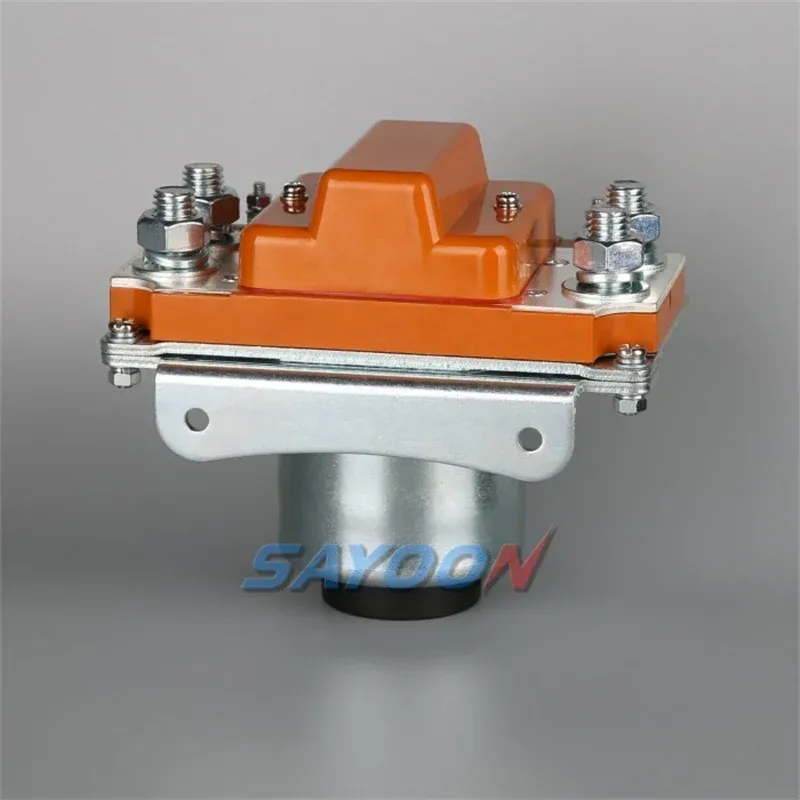
One of the most important components for providing smooth operation for many different types of electrical applications is a dependable 12 Volt Coil Contactor. This reliable device will allow you to control electrical current (automobile, residential security, and industrial equipment) with ease. It will also help to improve performance in these types of applications.
What is a 12 Volt Coil Contactor?
A 12V Coil Contactor is a type of electromechanical switch. The contactor works as a mechanical (physical) device which operates with the help of an electro-magnetically operated coil. This allows for the contactor to open and close electrical circuits (both Maytag and Whirly) and therefore, to control or regulate them as well. The main purpose of the contactor is to turn on and off 12V power by either activating the coil or deactivating it. Examples of where contactors are most commonly used include automotive starters, HVAC applications, and many other types of electronics that require some form of remote switching.
Why Reliability Matters in 12V Coil Contactors
When choosing a 12V coil contactor, reliability is an important factor. If the contactor is not reliable, it could create a failure within one of your systems which would cause it not to operate correctly and could create safety issues. A better quality contactor will have less probability of developing an overheated, welded or short circuit condition on the contacts. Therefore, in critical systems such as emergency lighting systems and critical machinery, having a reliable 12V coil contactor will ensure that there is minimal disruption in operating and will therefore provide safety to the user.
How a 12 Volt Coil Contactor Works
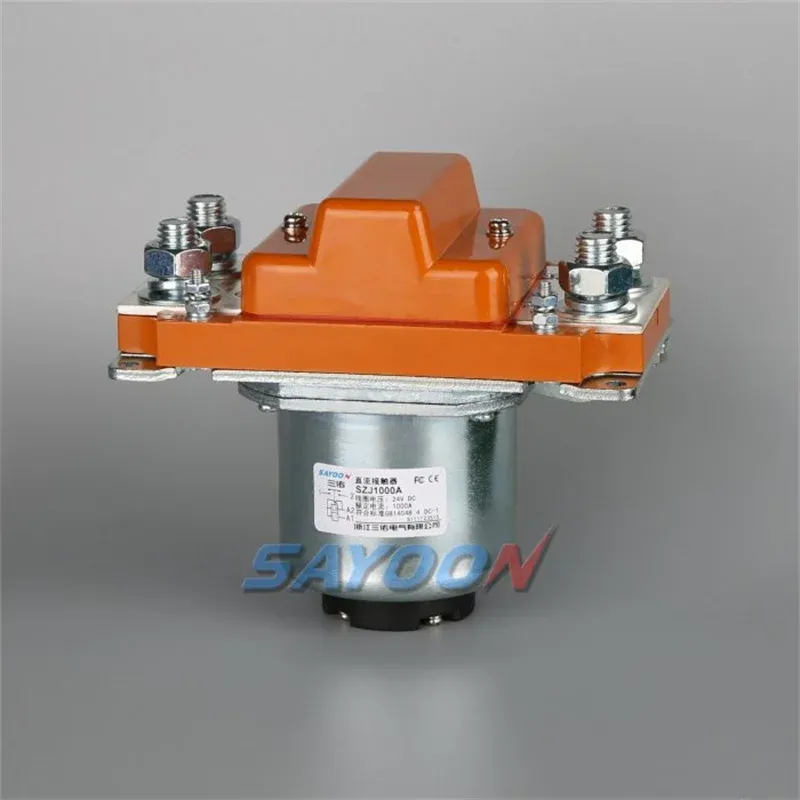
Operating a 12 Volt Coil Contactor is very simple. The coil contacts work in the same fashion as a light switch. When voltage is applied (energized) to the coil, it creates magnetism which causes the armature (the movable part of the contactor) to move to a closed position. Therefore, current will flow through the connected circuit. When voltage is removed (de-energized) from the coil, the magnetism in the coil will be lost and the armature will return to an open position through the action of the spring inside of the contactor thereby stopping current flow through the circuit. The opening and closing of the contacts allow for precise control of many different kinds of electrical devices and allows for effective control of electric power without having to physically touch the device.
Key Features of a Reliable 12V Coil Contactor
When looking for a reliable 12 Volt Coil Contactor, several key features should be considered:
- Durability: Look for models designed to withstand wear and tear, especially in heavy-use environments.
- Electrical Ratings: Ensure the contator can handle the voltage and current requirements of your application.
- Coil Voltage Range: Compatibility with a 12V power supply is critical for the device’s operation.
- Response Time: A quicker response time improves overall system efficiency and responsiveness.
- Safety Features: Built-in fuses or overload protection can enhance safety in high-stake applications.
Applications for 12 Volt Coil Contactors
12V relays and contactors have a broad range of applications, and are used in a variety of applications due to their diversity. They can be found in automotive systems controlling lights and engines, HVAC circuits controlling air temperature, or in industrial control panels, to perform automation tasks. Furthermore, 12V relays and contactors can be used heavily in residential automation systems as well with providing needed power for smart devices that require to be turned on or off.
Frequently Asked Questions
1. What is the difference between a contactor and a relay?Although a relay and contactor are alike, they have different purposes and voltage/current ratings. A relay is generally used for low voltage/current applications (signal control), while a contactor is typically used for higher voltage/current applications (motors).
2. Can I use a 12 Volt coil contactor with a higher voltage?Using a contactor that is rated for 12V at a higher rate than that will create unsafe situations that could cause equipment to fail and create hazards.
3. How do I install a 12 Volt Coil Contactor?The method of installing your model may depend on the type of model being used, as there are various ways of installing different types of models. Most models will be installed using a combination of connecting the power source, load and coils together, along with connecting the electric load to the contacts. Always follow manufacturer’s installation instructions when installing any type of model.
In summary, selecting a reliable 12 Volt Coil Contactor can be based upon multiple factors (e.g., electrical ratings, time response, and durability) that correlate directly with your intended use. Choosing quality components will yield a return on investment through an increase in safety and energy-efficient operation of the overall electrical system.