A DC contactor incoming inspection should confirm that the delivered parts match the approved order, drawing and acceptance requirements before they reach production. Check identity, shipping condition, dimensions, contact arrangement and the agreed routine test evidence. Separate these receiving checks from application qualification: a shipment can look correct without proving that it can interrupt the required DC load. Define the inspection method, sample selection, limits and release authority before the lot arrives, and quarantine unresolved discrepancies rather than fitting questionable units to recover a production schedule.
Prepare the acceptance package before delivery
The receiving team needs one controlled package containing the purchase order, exact ordering code, approved drawing revision, contact configuration, coil option, included accessories and agreed inspection instructions. Add the supplier documents that must accompany each shipment. A commercial product family name is too broad if different coils or terminal arrangements share the same housing.
Give each requirement a clear evidence source and owner. Dimensions come from the applicable drawing; permitted functional checks come from approved instructions; document expectations come from the purchasing agreement. Do not let an inspector infer a torque, resistance or insulation threshold from a similar model found online. Resolve missing criteria before the shipment becomes urgent.
Keep the lot identifiable while it is on hold
Record receipt date, supplier, purchase order, quantity and supplier lot identification. Preserve the link between boxes, inspected samples and remaining stock. If one shipment contains several lots or variants, separate them and make the boundaries visible. An internal receiving number can connect your records, but it should not erase the original supplier identification.
Photograph damaged packaging and label discrepancies before unpacking changes the evidence. Hold unidentified parts in a designated status and prevent an inventory transfer from accidentally releasing them. If samples are removed for examination, record where they came from and whether they will return to stock. A unit used for a potentially destructive check should not silently rejoin the accepted quantity.
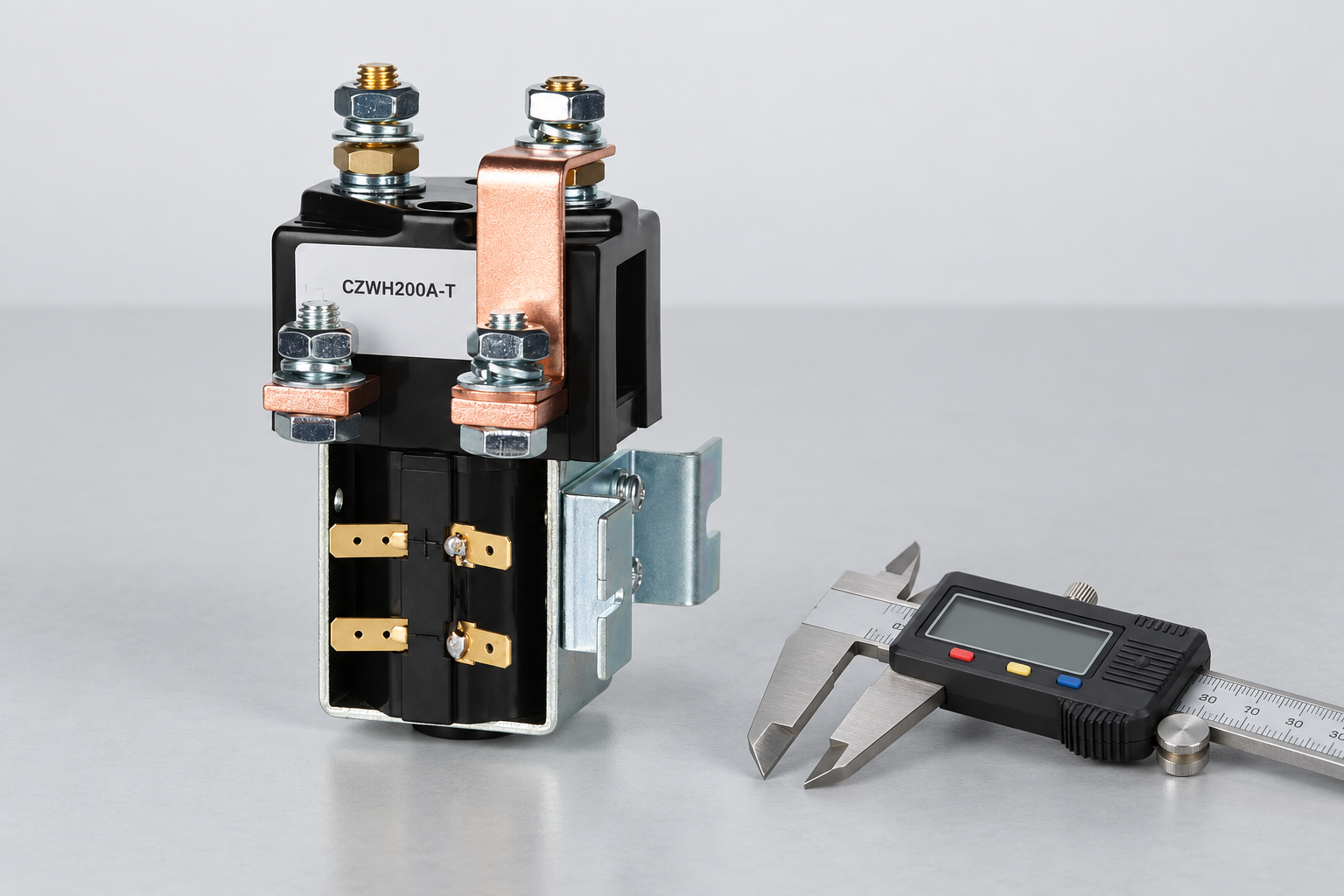
Check construction against the exact drawing
Examine terminals, mounting brackets, housing, insulation barriers and supplied hardware for shipping damage or obvious mismatch. Look for loose pieces, bent mounting points, cracked insulating material or contamination. Distinguish an actual defect from an intended construction feature by consulting the approved drawing and supplier instructions.
Confirm the main contact arrangement and coil terminals from documentation rather than appearance. Normally open, normally closed and changeover devices can have different expected unpowered states. Mechanical or magnetic holding arrangements require their own instructions. Pressing exposed parts or disassembling a sealed unit to force a result can damage the sample and invalidate the inspection.
Use a receiving checklist with explicit decisions
The following qualitative checklist is an example of a receiving record, not a universal acceptance standard. Replace its evidence references with the controlled documents for your project. Every discrepancy needs an identifiable action and owner; a row saying only “checked” is difficult to review when a field problem appears months later.
| Check | Required evidence | Decision or record |
|---|---|---|
| Identity | Ordering code, coil option and approved drawing | Record the received markings and place a mismatch on hold before any functional check. |
| Packaging | Shipping record and packaging agreement | Photograph damage, record affected quantities and identify whether protection was compromised. |
| Mechanical condition | Drawing and permitted handling instructions | Check housing, mounting points and terminals without unauthorized disassembly or forcing contacts. |
| Dimensions | Current controlled drawing and suitable measuring equipment | Record actual readings for specified features; retain drawing revision and instrument identity. |
| Contact arrangement | Approved circuit description and inspection method | Compare the required unpowered state with the actual variant, including any holding arrangement. |
| Routine evidence | Agreed supplier lot report and applicable procedure | Link the report to the delivered lot and flag missing, inconsistent or incomplete results. |
| Disposition | Defined release authority and concession process | Record accept, reject or controlled hold, with an owner and any approved limits on use. |
Choose sampling deliberately
Sampling determines which units represent the lot and how the results affect the lot decision. It does not create a guarantee that every unexamined part is conforming. NIST describes attribute and variable acceptance sampling; your quality team should select the applicable approach and acceptance criteria.
Specify lot definition, selection method, inspection characteristics and the response to failures before taking samples. Avoid choosing only the cleanest top-layer units or replacing a failing sample with another until a passing result appears. If a special characteristic requires additional control, document that separately instead of inventing a generic sample count in this checklist.
When the supplier changes construction, packaging or production conditions, review whether the current receiving plan remains adequate. Inspection history can inform the decision, but skipping checks should be an approved change with conditions for restoring them. Keep a record of the applicable plan revision so the receiving decision can be reproduced.
Make measurements reproducible
For a dimensional check, identify the feature, fixture, measurement direction and relevant drawing tolerance. Select equipment appropriate to the decision. Record readings rather than only a pass mark when the project requires trend analysis or supplier feedback. Temperature, alignment and operator handling can matter when a feature is close to its limit.
NIST explains measurement traceability as a property of a measurement result supported by a documented calibration chain and uncertainty. A calibration sticker alone does not settle whether a particular receiving measurement is suitable for deciding conformance. Ask the responsible metrology reviewer to resolve borderline results and instrument limitations.
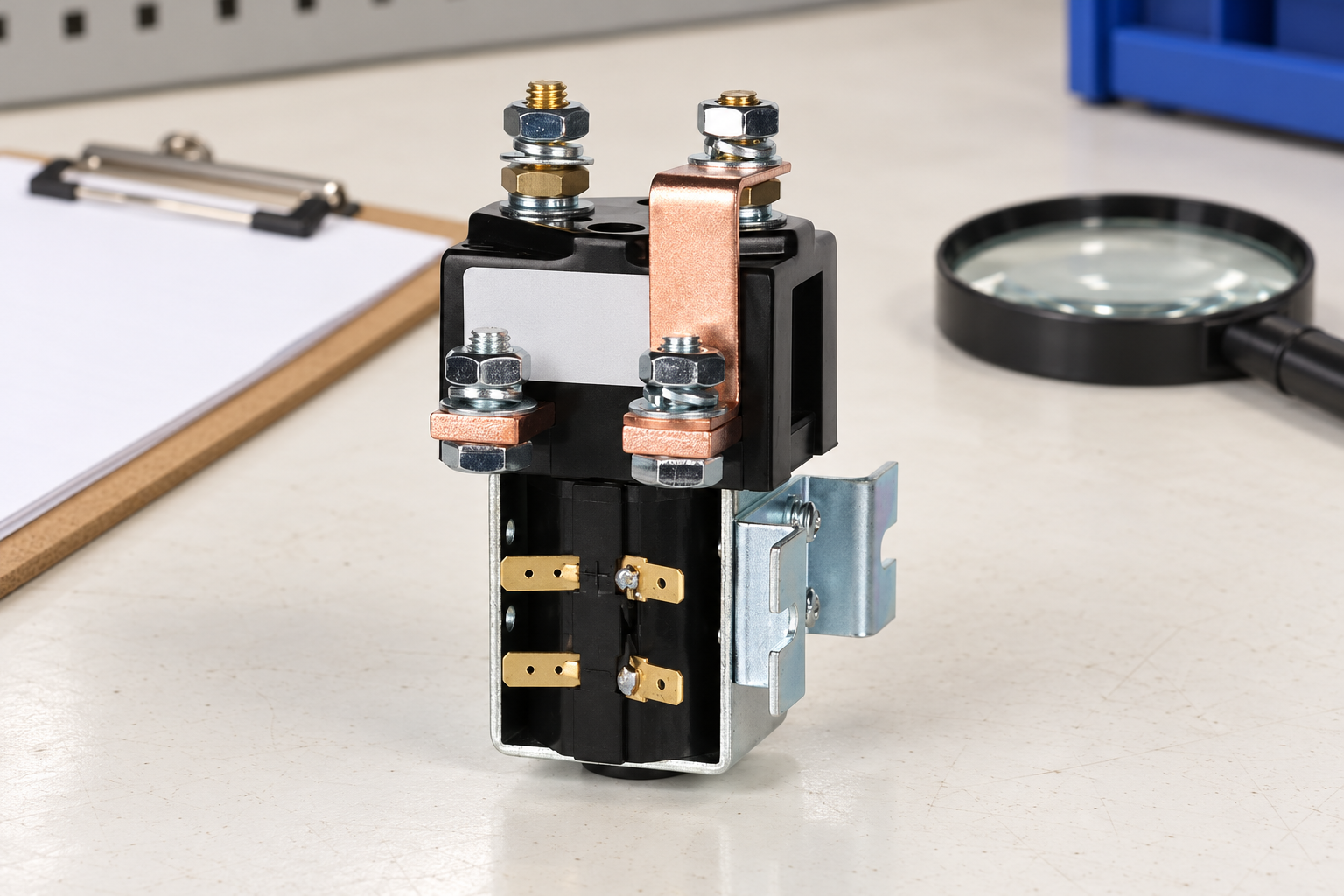
Limit electrical checks to approved procedures
Any electrical receiving check needs a defined setup, authorized personnel, appropriate instruments and the exact variant instructions. Identify whether the check is continuity, coil behavior or another agreed routine characteristic. Record initial state and test conditions; do not interpret a de-energized open path as failure when that is the required contact state.
An ordinary continuity measurement cannot verify high-current carrying performance or DC interruption. Do not improvise a battery switching demonstration, apply arbitrary insulation test voltages to electronic coil circuitry, or bypass protection because the unit is small. Escalate high-energy, endurance and fault-related work to the appropriate qualification facility.
Review supplier reports without treating them as certificates
A routine lot report should identify the lot, units or sampling basis, procedure revision, results and responsible release. Check that the report matches the delivered variant and any agreed limits. A generic sheet with a product family name and “pass” may leave important gaps even when its format looks professional.
Use the test-report review guide to assess scope and identity. Certification, development testing and routine production checks answer different questions. Preserve the original evidence and request clarification through the supplier rather than editing their report to make it appear consistent with the order.
Close discrepancies and release the right quantity
Describe a nonconformity with observed facts: which unit, which feature, which requirement and what evidence supports the finding. Separate affected stock and request a supplier response. A concession must identify authorized use and limits; it should not change the approved specification for future shipments without a controlled review.
Before release, reconcile accepted, rejected, held and tested quantities. Sign the receiving decision and link it to inventory status. If a later complaint changes the decision, retain the original record and add the new disposition so the history remains understandable. This is particularly useful when a shipment has been split between several equipment builds.
Connect receiving inspection to your purchasing specification
The CZWH200A-T SPDT DC Contactor is the construction reference shown here. Obtain its exact ordering information and current drawing from Sayoon before setting incoming acceptance criteria. Photographs do not establish inspection tolerances or electrical suitability.
The DC contactor selection hub helps organize the application specification. Keep the certification evidence review connected to purchasing, while the receiving checklist remains focused on conformity of the shipment. Send unresolved identity, dimensional or report questions with photographs and record references so the supplier can give a specific answer.
Educational video: understand the contact arrangement
The Electrician U explanation below introduces how a coil operates contactor contacts. Use it to understand the distinction between control and main circuits before reading an inspection drawing. It provides general education, rather than a test procedure or approval of the illustrated Sayoon model.
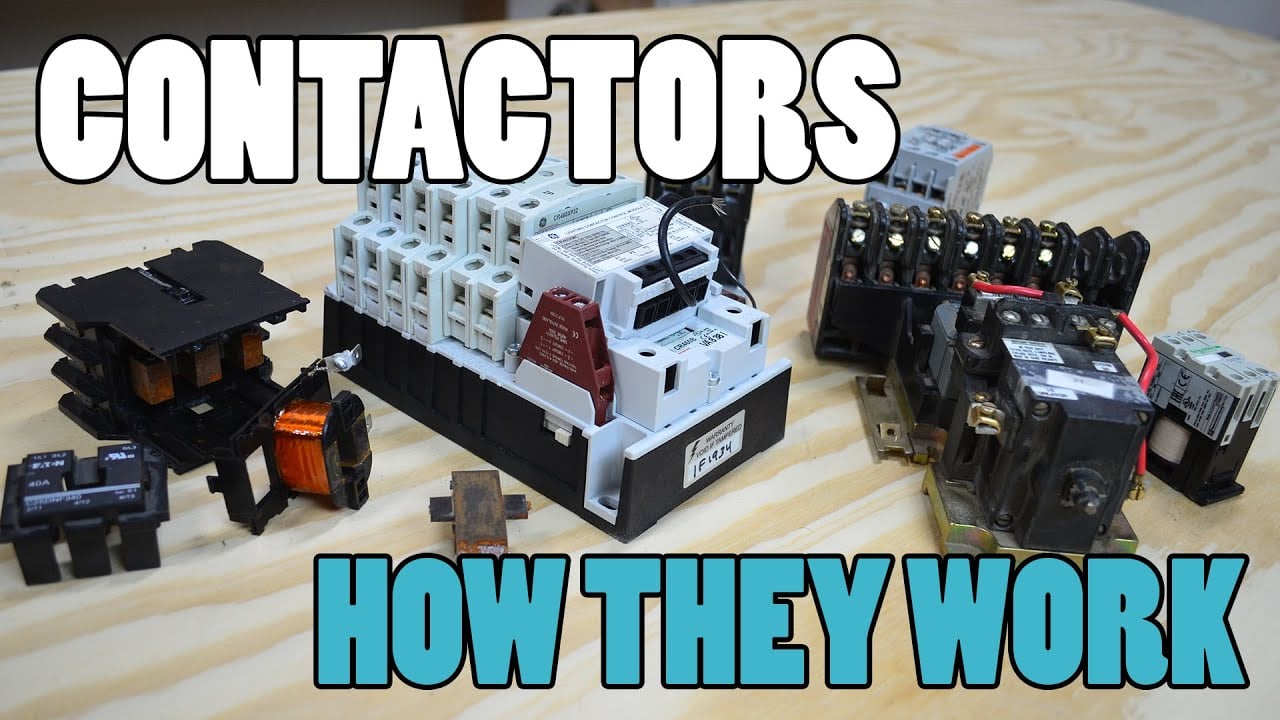
Watch the Electrician U educational explanation.
Frequently asked questions
Does incoming inspection prove DC breaking capability?
No. Receiving checks establish conformity with the agreed delivery requirements; application and interruption evidence require separate review.
Should every contactor use the same sample count?
No. Define the lot, inspection characteristics and approved sampling plan for the project rather than applying an arbitrary universal count.
What should happen when a part lacks lot identification?
Hold the affected stock and resolve identification through the supplier before release. Preserve the receiving record and original packaging evidence.
Can a continuity meter replace a qualification test?
No. Continuity is a limited observation under defined conditions and does not establish high-current carrying, interruption or endurance performance.