DC contactor laboratory method verification review asks whether a laboratory can correctly perform an identified test method for the agreed contactor configuration and conditions. Request evidence tied to the method revision, equipment, personnel, setup, performance requirements and authorized scope. A general laboratory certificate or an instrument calibration sticker does not answer that question alone. This guide helps buyers structure the review before commissioning work; it does not prescribe energized contactor testing, create universal acceptance limits or replace a qualified laboratory’s technical planning.
Start with the question the test must answer
Identify the decision: incoming inspection, investigation of a complaint, comparison of sample constructions or qualification against a particular requirement. These purposes can need different methods and evidence. Define the exact contactor variant, associated assembly and characteristic to be evaluated. Avoid starting with a list of available instruments and assuming that their outputs will automatically answer the purchasing question.
For example, a resistance observation is meaningful only with its measurement boundary and conditions identified. It does not by itself establish carrying-current capability, breaking performance or electrical endurance. Likewise, a coil-related observation does not demonstrate main-contact interruption capability. Keep distinct characteristics separate so a report cannot acquire a broader approval meaning simply because several measurements appear on the same page.
Identify the adopted method and its boundaries
Request the method title, revision, origin and applicable scope. Establish whether the laboratory is implementing a published method as written, applying it within an established internal procedure or modifying it for a new purpose. Record any customer-specified conditions and resolve conflicts before work begins. A brief quotation saying tested to standard may leave important choices unaddressed.
Check that the method actually covers the proposed product and measurement conditions. Similar equipment does not guarantee identical scope. The laboratory should identify exclusions, necessary adaptations and any limitations on the conclusion. Changes to a fixture, timing definition, data-processing step or environmental condition may affect suitability even when the report retains the same method name.
Distinguish verification from broader validation
Verification of an adopted method focuses on evidence that the laboratory can implement it properly for the intended work. A nonstandard method, a substantial modification or use beyond the established scope can call for a broader assessment of fitness for purpose. Determine the appropriate work with the responsible technical reviewer rather than treating the terms as interchangeable labels for a checklist.
UNIDO’s ISO/IEC 17025 implementation guide provides a general laboratory-management framework. Eurachem explains method validation and verification in analytical measurement. These sources help organize questions about intended use and performance evidence, but chemistry-specific examples and performance parameters are not electrical contactor acceptance requirements. Apply the relevant electrical method and contractual requirements to the actual test.
Request evidence in a structured package
| Evidence field | Required information | Review purpose |
|---|---|---|
| Scope | Method reference, revision and intended use | Check that the requested task is covered |
| Implementation | Equipment, fixture, personnel and instructions | Identify actual operating conditions |
| Performance | Relevant observations and approved criteria | Support suitability for the defined work |
| Conclusion | Accepted scope, limitations and open actions | Avoid broader product or method approval |
Planning checklist based on the scoped technical reference and the applicable purchase documents; no universal acceptance limits are implied.
Ask for the relationship between required performance and the laboratory’s evidence. A list of completed activities is not the same as a demonstrated result. Identify how each important requirement was evaluated, what was observed and how the reviewer reached the conclusion. Where evidence is held in separate records, use stable references that the customer or authorized auditor can retrieve.
Do not demand a universal number of trials or an invented capability ratio. The study extent depends on the method, risk, required performance and existing evidence. Ask the laboratory to explain its chosen coverage, including important extremes and limitations. This produces a more useful review than comparing every laboratory against a generic numerical rule with no connection to the test being purchased.
Examine the complete measurement system
The relevant system includes the instrument, connections, fixture, specimen preparation, environment, operating sequence and data processing. Confirm the actual configuration used in the verification evidence. A calibrated instrument may still be unsuitable for the task, or its performance may be compromised by an inappropriate connection or fixture. Record limitations rather than assuming calibration establishes complete method capability.
For time-dependent observations, the definition of the event and acquisition settings can be important. For low-level electrical measurements, connection boundaries and unwanted contributions can matter. These are review prompts, not instructions to build a test circuit. The approved laboratory procedure should define safe operation, suitable equipment and the technical evidence needed for the specific contactor characteristic.
Review people, instructions and repeatability
Confirm who is authorized to perform and review the method. Training attendance alone may not demonstrate competent execution. Ask what practical evidence supports authorization and whether the instructions are sufficiently clear for the intended users. If the method relies heavily on operator judgment, identify how that judgment is controlled and what evidence shows consistent interpretation.
Consider repeat observations and relevant changes in execution where the method calls for them. The purpose is to understand whether the laboratory can produce suitable results under its actual operating conditions. An unusually successful demonstration performed by one specialist may not represent routine work. Document which personnel, equipment and conditions the conclusion covers and which require further assessment.
Connect references and checks to the characteristic
A reference artifact, comparison result or other control is useful only when it is relevant to the method. Ask which part of performance it evaluates and what uncertainty or limitation accompanies it. A convenient electrical reference may support a portion of the measurement chain while leaving specimen mounting or event identification unchecked. State those boundaries explicitly.
An interlaboratory comparison can provide additional information when its scope matches the measurement. It does not automatically verify every method that a laboratory offers. Review the compared characteristic, range, procedure and interpretation of the outcome. Treat unexplained differences as issues to investigate, rather than selecting whichever result is most favorable to the desired supplier decision.
Keep method suitability separate from product conformity
Method evidence addresses the ability to obtain suitable results. Product conformity additionally requires the correct product requirement, sample identity, actual observations and approved decision rule. A laboratory may perform a method competently and find a nonconforming sample. Conversely, a plausible passing number from an unsuitable method does not become reliable because the product is expected to pass.
The final report should identify what was tested and what its conclusion supports. Distinguish individual-sample results from lot acceptance or design qualification where those decisions require additional evidence. Avoid extending findings to different contactor variants, materials or operating conditions without an appropriate basis. Review the purchase specification and the method scope together before accepting the conclusion.
Define change triggers before routine use
Ask how the laboratory assesses method changes. Relevant triggers can include new equipment, modified software, a revised fixture, different personnel responsibilities, a changed method revision or new requested conditions. The technical owner should determine the effect on existing evidence and the extent of additional verification or validation. A revision number alone does not show that this assessment occurred.
Record the rationale even when little repeat work is required. Where a change affects earlier results, evaluate the affected scope and communication needs using the laboratory’s procedure. Keep the earlier method evidence available so reviewers can understand which version supported which report. This prevents old competence evidence from silently being applied to a substantially changed method.
Agree the review with the supplier before ordering
For a SAYOON project, provide the exact ordered configuration, application context and required test characteristics. Ask what existing product and test documentation is available before commissioning additional work. Agree whether testing is required at the supplier, an independent laboratory or another competent facility, and identify the report and review package expected at handover.
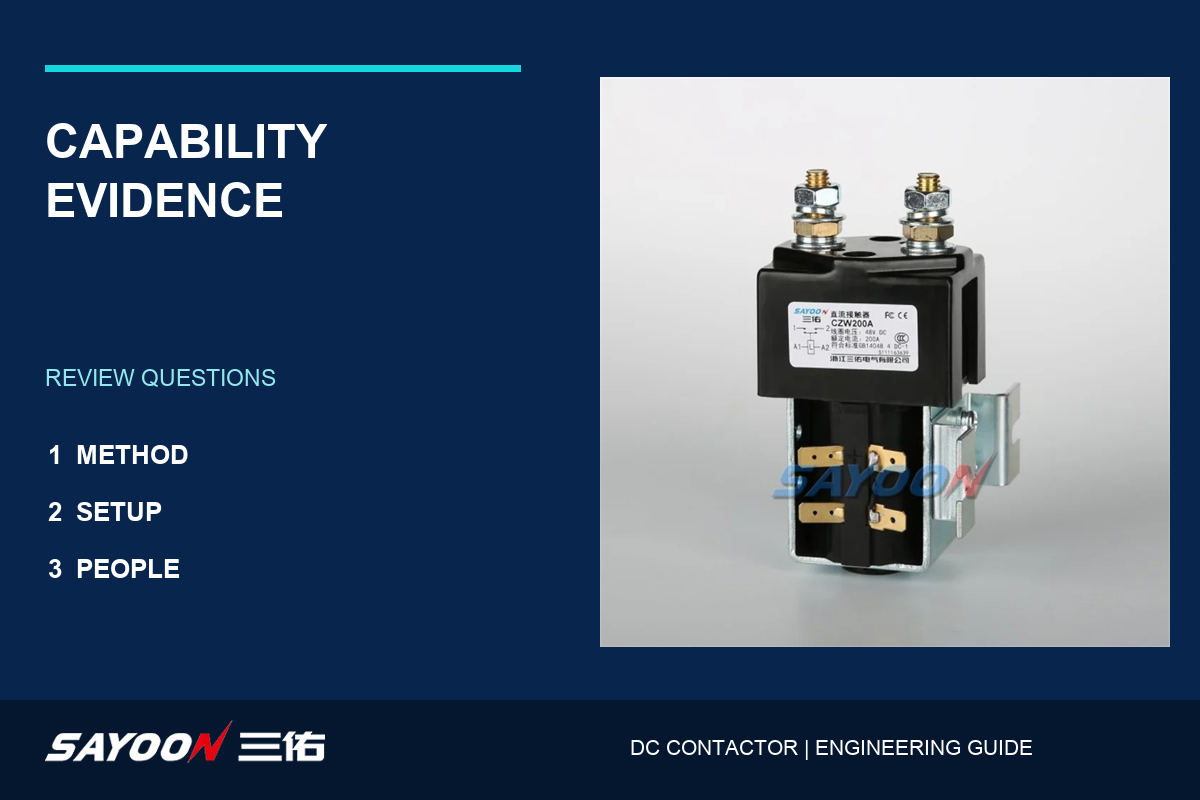
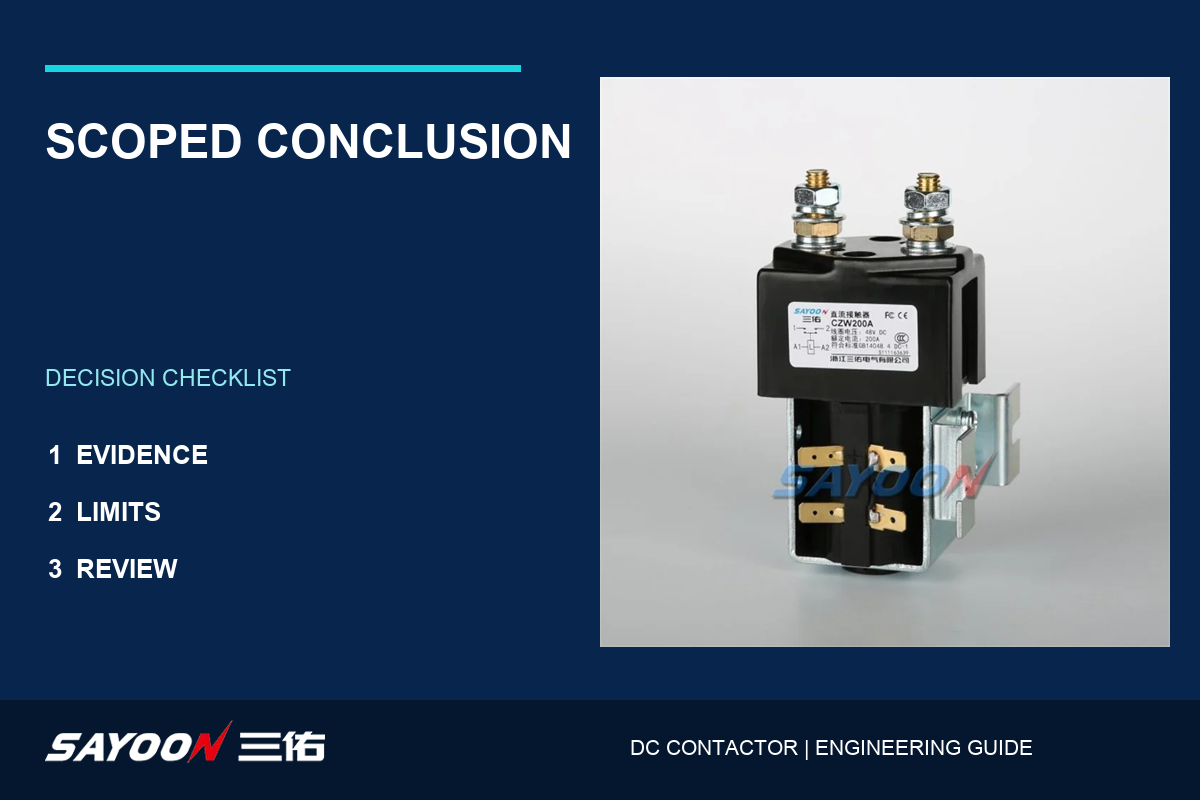
Confirm practical matters such as sample identity, authorized deviations, witness requirements and the process for technical questions. Do not imply that the example contactor image proves any particular test capability. The product page introduces a real product; the laboratory review must still address the exact variant and requested method independently.
Reach a scoped, documented conclusion
End the review with a clear statement of accepted scope, evidence considered, limitations and open actions. If a key method requirement has no supporting evidence, retain an unresolved status and determine the next technical step. Commercial urgency should not convert an evidence gap into a method approval. Assign responsibility and a completion criterion for each open point.
A useful conclusion allows the buyer to understand why the laboratory is suitable for the requested task and what the resulting report can establish. It also makes future changes easier to assess. The objective is a defensible test decision connected to the contactor order, rather than a collection of certificates that merely appears comprehensive.
Educational video
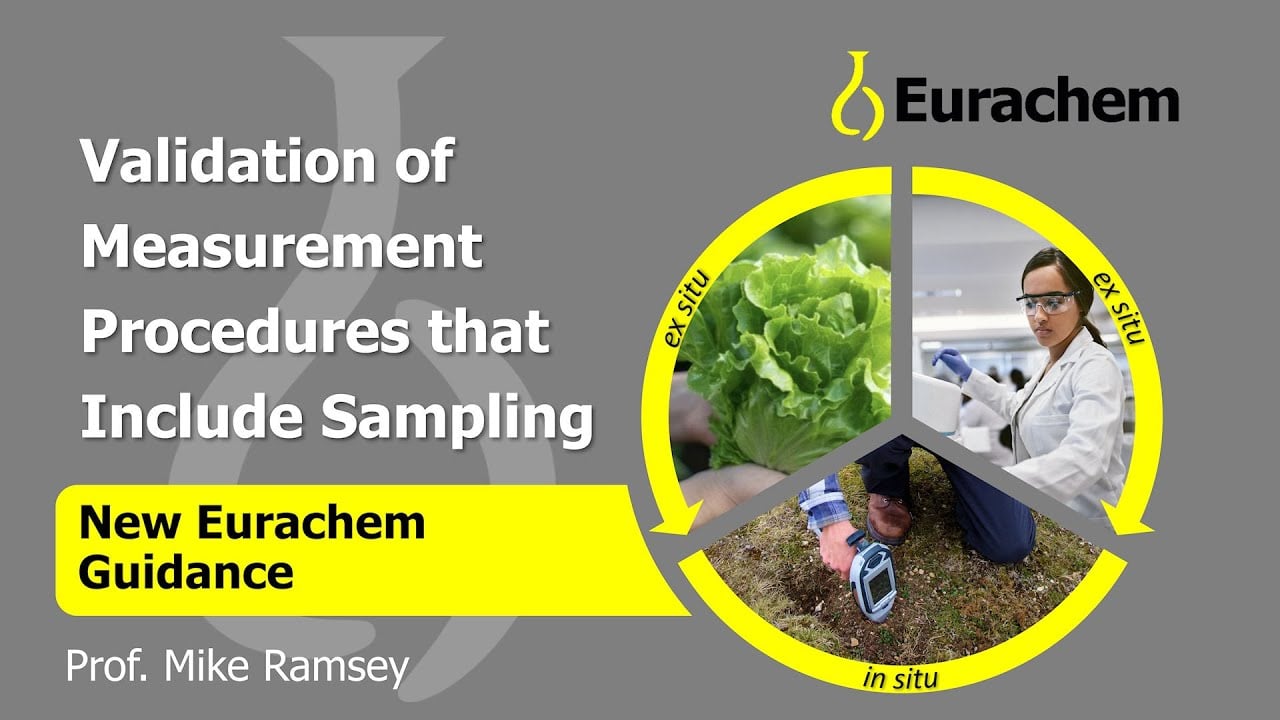
Eurachem explains validation of measurement procedures including sampling, in analytical measurement; the general fitness-for-purpose approach is useful background, while chemistry examples do not prescribe electrical contactor limits. This educational background does not assess a particular contactor or approve an equipment design.
Frequently asked questions
Is laboratory accreditation enough to accept any contactor test?
No. Review the relevant accredited scope where required, the method and conditions, and the evidence appropriate to the requested work. Accreditation does not automatically cover every possible test or configuration.
Does instrument calibration verify the entire method?
No. Calibration supports the identified instrument performance. Fixtures, connections, personnel, processing and the complete method still need appropriate consideration for the intended task.
Can analytical chemistry guidance define electrical test limits?
No. It can inform general planning questions about method suitability, but electrical limits and conditions must come from the applicable product requirement, method and competent engineering review.
What if the laboratory changes its setup after review?
Request an impact assessment identifying affected method evidence and any additional work needed. Confirm the revised authorized scope before relying on results from the changed setup.
Product and related guides
Discuss the application using the CZW200A Normally Open DC Contactor and the DC contactor selection guide. Related reading: DC Contactor Laboratory Accreditation: Verify the Scope, How to Validate DC Contactor Samples Before Mass Production.
Technical references
- UNIDO: ISO/IEC 17025 implementation guide
- Eurachem: fitness for purpose introduction (analytical scope)
Apply each reference within its stated scope. General methods do not establish a product rating or project acceptance.