DC contactor laboratory opinions and interpretations should be clearly distinguished from measured results, supported by a documented basis and released by personnel authorised for that activity. Ask which tested item and results support the statement, what assumptions it uses and how far the conclusion extends. A useful interpretation can help a buyer understand evidence, but it is not automatically product certification, a conformity statement or approval of a complete application. Keep the laboratory’s conclusion tied to the actual work and preserve any limitations when using it in procurement.
Identify the kind of statement you are reading
Reports can contain observations, measured values, statements of conformity and interpretive comments. Read each according to its purpose. A measured result describes an outcome under stated conditions. An interpretation explains what that outcome may mean within a defined technical context.
The UNIDO implementation guide discusses reporting within laboratory management, including interpretation. CALA’s application document provides additional context for its accreditation programme. These are reference frameworks, not evidence that any particular laboratory or SAYOON product holds accreditation or certification.
Ask the laboratory to identify which statements are interpretations and which are direct results. This is especially useful when a short executive summary uses broad wording. A purchasing reviewer should not need to guess whether “suitable” refers to the tested condition, a specification requirement or the buyer’s entire equipment design.
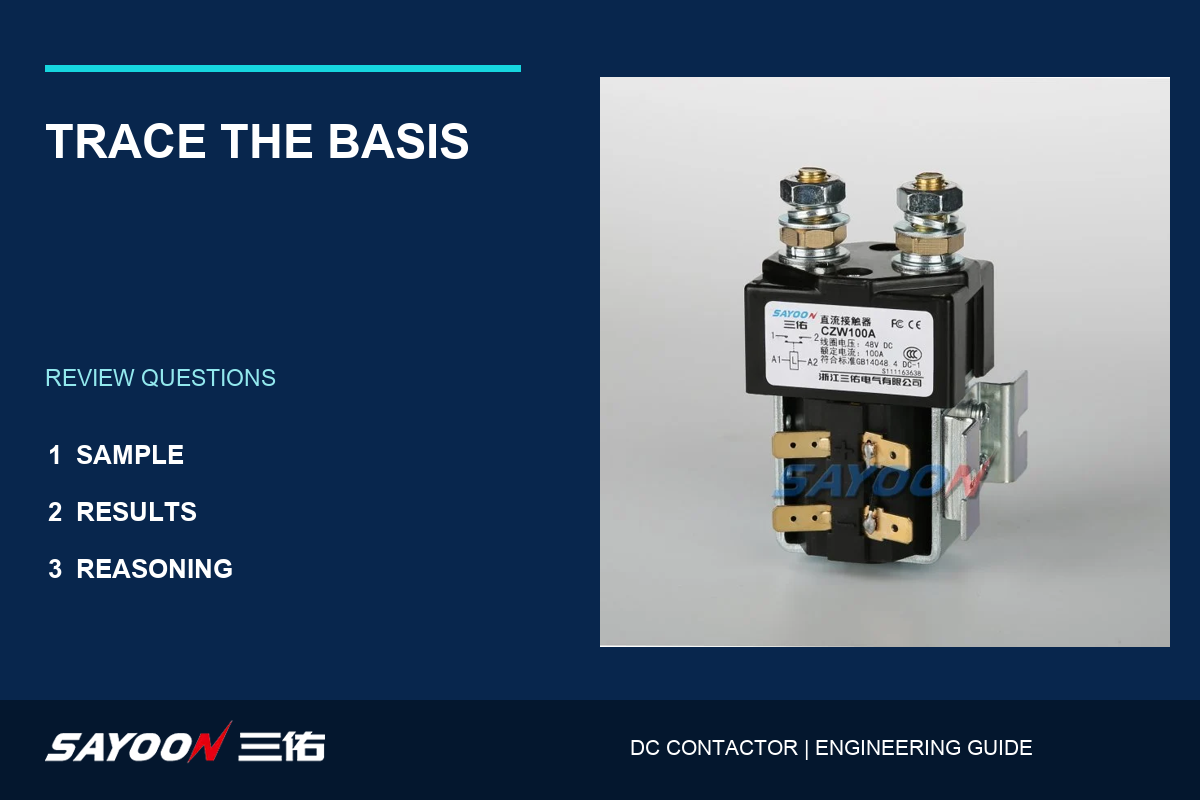
Trace the opinion to the tested item
Begin with sample identity and configuration. The interpretation should relate to the item and results actually examined. A conclusion about one configuration should not silently cover another coil option, contact arrangement or construction. If a family-level conclusion is proposed, ask for its technical basis and limits.
Read the result and the comment together. An isolated sentence copied into a purchasing presentation may lose the conditions that make it meaningful. Retain the relevant report reference, sample identity and supporting result so the next reviewer can follow the reasoning.
| Evidence field | Required information | Review purpose |
|---|---|---|
| Statement | Result, opinion or conformity | Read each according to purpose |
| Basis | Tested item, data and assumptions | Trace the reasoning |
| Authority | Permission for interpretation | Confirm the relevant reporting role |
| Use | Limitations and purchasing decision | Avoid implied certification |
Planning checklist based on the scoped technical reference and the applicable purchase documents; no universal acceptance limits are implied.
The table is a buyer’s review tool, not a substitute for the laboratory’s reporting requirements. The actual technical basis depends on the method, the item and the question agreed with the customer. It does not introduce universal product acceptance criteria.
Ask for the documented basis
A useful interpretation explains the reasoning between evidence and conclusion. Ask which results, technical knowledge, assumptions and limitations support it. The answer need not reveal another customer’s confidential information, but it should be specific enough to judge whether the statement addresses your question.
Be alert to an unexplained jump from a sample observation to a production claim. A test may provide valuable information about the submitted item without establishing how every manufactured unit will behave. If the interpretation concerns a wider population, ask what additional evidence supports that extension.
Likewise, a laboratory may describe a plausible cause without proving it conclusively. Ask whether the wording represents an established finding, a hypothesis or a recommendation for further investigation. Those distinctions change how the buyer should use the statement and what action is justified next.
Confirm authority for the interpretive activity
Ask how the laboratory ensures that the person releasing an interpretation is authorised for that role. Permission to operate equipment or compile data does not automatically establish permission to issue every technical opinion. The relevant scope should match the activity and subject matter.
A role-based confirmation may be sufficient for purchasing. Do not request complete private personnel files by default. If a contract requires a named reviewer or particular credentials, agree the evidence and permitted disclosure with the laboratory before work starts.
Keep authorisation separate from commercial influence. A buyer or supplier can request clarification and provide missing context, but should not dictate an unsupported favourable conclusion. If new evidence changes the interpretation, the laboratory should explain the revision rather than quietly replacing an inconvenient sentence.
Keep conformity statements separate
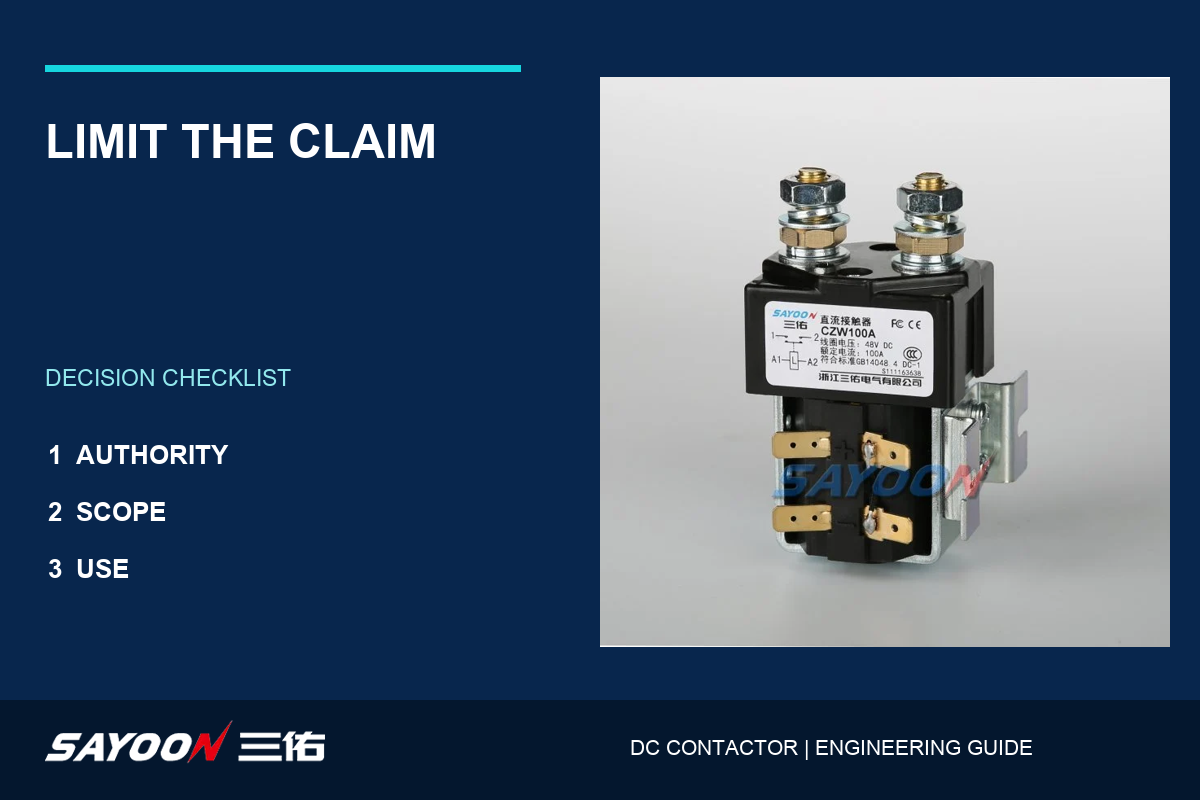
A conformity statement compares specified results with an identified requirement using an applicable decision basis. An interpretation may discuss the significance of results, but it should not obscure whether the laboratory has actually made that comparison. Ask what standard, specification or contractual criterion supports any pass or fail conclusion.
If your order requires a conformity statement, define that request before testing. An informal request after the report is issued may leave important questions about scope and decision rules unresolved. Do not transform a descriptive comment into a pass statement by changing its wording in your own summary.
Product certification is a further separate matter. A sample report, even with expert interpretation, does not automatically establish a certification process covering production and other required elements. Use the applicable certification route where that is the evidence the purchaser or project requires.
Examine assumptions about the application
An interpretation may depend on application information supplied by the customer. Identify that information and its source. If the duty description is incomplete or later changes, the conclusion may no longer address the actual equipment use.
For a contactor, the complete application can involve electrical duty, control conditions, protection, installation and environmental considerations. A laboratory may only have examined part of that picture. Ask which questions were assessed and which remain with the equipment designer or supplier.
Avoid reading a narrow phrase such as acceptable under the stated test conditions as unlimited installation permission. The useful procurement question is whether the report supports the decision presently being made. A narrower interpretation can still be valuable when its boundaries are explicit.
An illustrative investigation discussion
Suppose a returned contactor is examined and the laboratory comments that the observations are consistent with a proposed mechanism. The buyer should ask which observations support that explanation and whether other explanations remain possible. “Consistent with” should not automatically become “proven to have been caused by” in a supplier claim.
If operating history is relevant, establish what records were available and what assumptions filled the gaps. The laboratory may recommend further examination or additional information. The buyer can then decide whether the evidence supports a technical action, a wider investigation or only a provisional working hypothesis.
This example is illustrative and makes no claim about an actual SAYOON failure. It shows why the distinction matters: an interpretation can guide the next step without settling every question about responsibility, production conformity or application suitability. Keep commercial dispute decisions separate from what the technical evidence establishes.
Preserve verbal clarifications and revisions
A discussion can help explain a difficult report, but an important oral clarification should not remain an untraceable recollection. Ask the laboratory to confirm the interpretation and its limitations through the agreed record or reporting channel. Keep the reference to the original report clear.
If the clarification changes the technical meaning, ask whether a controlled report amendment is needed. A buyer’s meeting note can record the discussion, but it should not be presented as if the laboratory had issued a revised authorised conclusion when it has not.
When an amended report arrives, identify the affected version and communicate the change to the people relying on it. Preserve the earlier record as required rather than overwriting it without explanation. A clean version trail prevents different teams from acting on incompatible summaries of the same test.
Use interpretations responsibly in procurement
Before quoting an opinion in an approval note, include its scope, report reference and any qualification necessary to understand it. Avoid selecting only favourable words while removing the test conditions or uncertainty. The buyer’s summary should remain faithful to the authorised statement.
For a SAYOON enquiry, send the exact configuration and the technical question you want answered. If an application conclusion is required, say so early and identify the relevant duty information. A product image or catalogue designation alone cannot establish the complete basis for an engineering interpretation.
Record your own decision separately. You may accept a report for one development step while requiring more evidence before a production order. That distinction helps the next reviewer understand why the same interpretation can be sufficient for a limited question and insufficient for a broader commitment.
Prepare a precise clarification request
Quote the statement accurately and identify the decision it affects. Ask what tested results support it, which assumptions are essential, who authorised it and whether the laboratory intends it as interpretation or conformity reporting. Avoid asking simply for a stronger conclusion without explaining the missing evidence.
Where the laboratory cannot answer within the existing work, discuss additional analysis or a narrower conclusion. An explicit limitation is more useful than ambiguous reassurance. The goal is an interpretation that a competent reviewer can follow from sample to evidence to reasoning to defined purchasing use.
Educational video
IAFandILAC explains the role of ILAC and laboratory accreditation; this is general background, not a tutorial for the specific review process or evidence of a provider accreditation. This educational background does not assess a particular contactor or approve an equipment design.

Frequently asked questions
Is an interpretation the same as a measured result?
No. It explains significance using a stated basis. Keep it identifiable and connected to the underlying results.
Does an expert opinion certify the product?
No automatic certification follows. Product certification has its own applicable process and evidence requirements beyond an interpretive sample report.
Can a verbal explanation change the issued report?
Ask for a controlled confirmation or amendment where the technical meaning changes. Do not rely on an unrecorded conversation as the revised authorised conclusion.
What if the application changes later?
Recheck the interpretation against its assumptions. A conclusion based on earlier duty information may not answer the new purchasing question.
Product and related guides
Discuss the application using the CZW100A Normally Open DC Contactor and the DC contactor selection guide. Related reading: DC Contactor Laboratory Accreditation: Verify the Scope, How to Review a DC Contactor Test Report.
Technical references
Apply each reference within its stated scope. General methods do not establish a product rating or project acceptance.