DC contactor laboratory internal quality control checks should help detect problems in the measurement process before unsupported results are released. Ask which checks cover the ordered activity, what they can detect, when they are performed and what happens when a result is unacceptable. A calibration certificate alone does not describe the whole monitoring programme. This guide reviews internal result-validity checks for laboratory work, keeping them separate from contactor production inspection, external proficiency testing and the acceptance criteria for the product itself. Check methods and limits must suit the actual measurement process.
Connect monitoring to the ordered test
Begin with the laboratory activity rather than a generic quality checklist. A process measuring operating time may face different problems from one measuring resistance or temperature. Ask the laboratory to connect each important validity concern to an appropriate monitoring technique. A check that is easy to perform is useful only if it can reveal a relevant weakness.
NIST discusses check standards, data analysis and remedial action as parts of controlling a measurement process. The UNIDO implementation guide places monitoring within the broader laboratory workflow. These are method choices to evaluate for suitability, not instructions to use every technique in every contactor test.
A buyer can ask for a concise monitoring explanation covering the relevant procedure, equipment and expected evidence. The provider may protect detailed internal documents while still explaining how it maintains confidence in the ordered results. Request enough information to assess the service without assuming that access to every internal record is always necessary.
Separate calibration, checks and product acceptance
Calibration provides information about an instrument’s measurement relationship under stated conditions. An internal check can provide additional evidence about continued performance or the assembled process between calibrations. Neither automatically establishes that a particular contactor meets its purchasing specification. Product acceptance requires the specified test, result and decision rule.
A functional check may reveal a basic failure without measuring every influence on the final result. A check using a suitable reference can investigate a different aspect. The laboratory should state what each activity does and does not demonstrate. Combining several complementary techniques may be appropriate, but the purpose should remain visible.
Likewise, an external proficiency comparison and an internal check have different roles. Participation in a comparison can provide valuable performance evidence at its stated scope and time. It does not remove the need for suitable ongoing internal monitoring. Conversely, satisfactory internal records do not establish successful participation in an external scheme that never occurred.
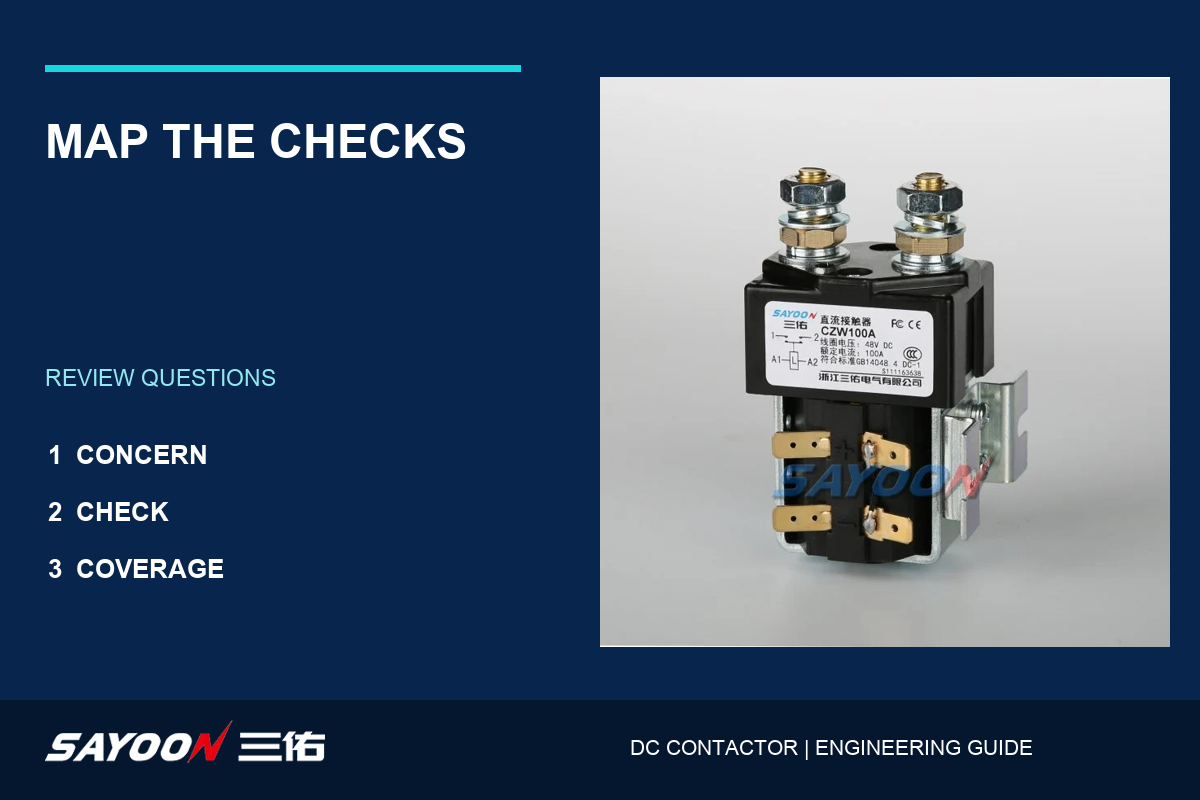
Build the monitoring map
| Evidence field | Required information | Review purpose |
|---|---|---|
| Concern | Influence that could affect the result | Choose a check that can reveal it |
| Method | Reference, comparison or functional check | Explain covered and excluded influences |
| Criteria | Defined basis and review responsibility | Make the outcome interpretable |
| Action | Affected work and release decision | Prevent unsupported reporting |
Planning checklist based on the scoped technical reference and the applicable purchase documents; no universal acceptance limits are implied.
Use the map to identify gaps rather than to create paperwork for its own sake. If the concern is a changed measurement connection, a check that bypasses that connection may not address it. If the concern is a data transfer error, a reference measurement alone may not reveal the error in the reported file. Ask how the complete path to the reported result is covered.
The map should also distinguish checks of the measurement system from observations of the contactor. An unusual contactor result might be real. Monitoring helps the laboratory investigate whether its process is behaving as expected; it should not be used to discard inconvenient product results without evidence.
Choose suitable reference items and comparisons
A stable reference or check item can help monitor a measurement process when its relevant properties and limits are understood. Ask how the item was selected, identified, stored and checked for changes. A convenient spare contactor is not automatically a stable measurement reference, especially if repeated operation can alter the property being monitored.
Where appropriate, alternative calibrated instrumentation can provide an independent view of a result. The comparison must still account for differences in connections, range, timing and method. Two instruments agreeing does not prove every aspect of the process is correct if they share the same unexamined influence or data-processing error.
Replicate testing also needs a defined purpose. Repeating only the displayed reading differs from repeating preparation, connection and the full measurement sequence. The laboratory should select the approach that addresses the intended concern and interpret the observed variation accordingly. Repetition without a question can generate data while leaving the original weakness undetected.
Set criteria before examining the check result
Ask whether the check has predefined criteria and an assigned response. These criteria concern monitoring performance; they should not be confused with the product specification limit. The responsible laboratory needs a technically justified basis for them, considering the method, evidence and significance of the monitored influence.
Avoid inventing a universal tolerance or interval for all contactor laboratories. A meaningful criterion depends on the check, range, reference and required capability. Where trend evaluation is used, the laboratory should explain how it distinguishes expected variation from a signal needing investigation. The purchaser should understand the decision process without substituting an arbitrary percentage.
The check record should make the outcome interpretable. Identify the procedure, relevant setup, reference item, date and result, along with the applicable criteria or controlled reference to them. A tick labelled equipment OK may be insufficient where the decision depends on an actual measured value or a changing trend.
Review timing and coverage
The monitoring plan should fit the testing activity and the risks it addresses. Checks at suitable points can provide evidence about readiness or continued performance, but their timing needs a rationale. A check performed long after affected work may leave a different uncertainty about earlier results than one integrated into the measurement sequence.
Ask how interruptions and changes are handled. Equipment repair, moved fixtures, software changes or a suspicious observation can trigger review outside the routine schedule. The responsible laboratory should determine the necessary response. A calendar interval alone should not prevent action when there is evidence of a relevant problem.
Coverage matters as much as frequency. A check performed often on an unused range may provide little confidence in the range used for the ordered work. Similarly, a check of an acquisition instrument may leave its associated sensor or processing path unexamined. Ask the provider to connect monitoring coverage to the actual service rather than citing a large number of checks.
Respond to an unacceptable check
An unacceptable monitoring result calls for a controlled assessment, not repeated checking until a favourable reading appears. Preserve the initial observation, investigate the cause and determine which activities or results may be affected. The response may include stopping relevant work, correcting the problem and reviewing previously produced results, according to the laboratory’s procedures.
The affected period needs a defensible basis. A last satisfactory check can be relevant, but it does not automatically prove the exact moment a problem began. Other evidence, including equipment history and the nature of the fault, may inform the assessment. Avoid claiming certainty where the available records support only a bounded investigation.
Ask how customers are informed when their work is affected and how revised results are controlled where necessary. The purpose is to maintain trustworthy evidence, not simply to close an internal form. A corrective action that restores equipment does not by itself resolve the interpretation of measurements obtained before the correction.
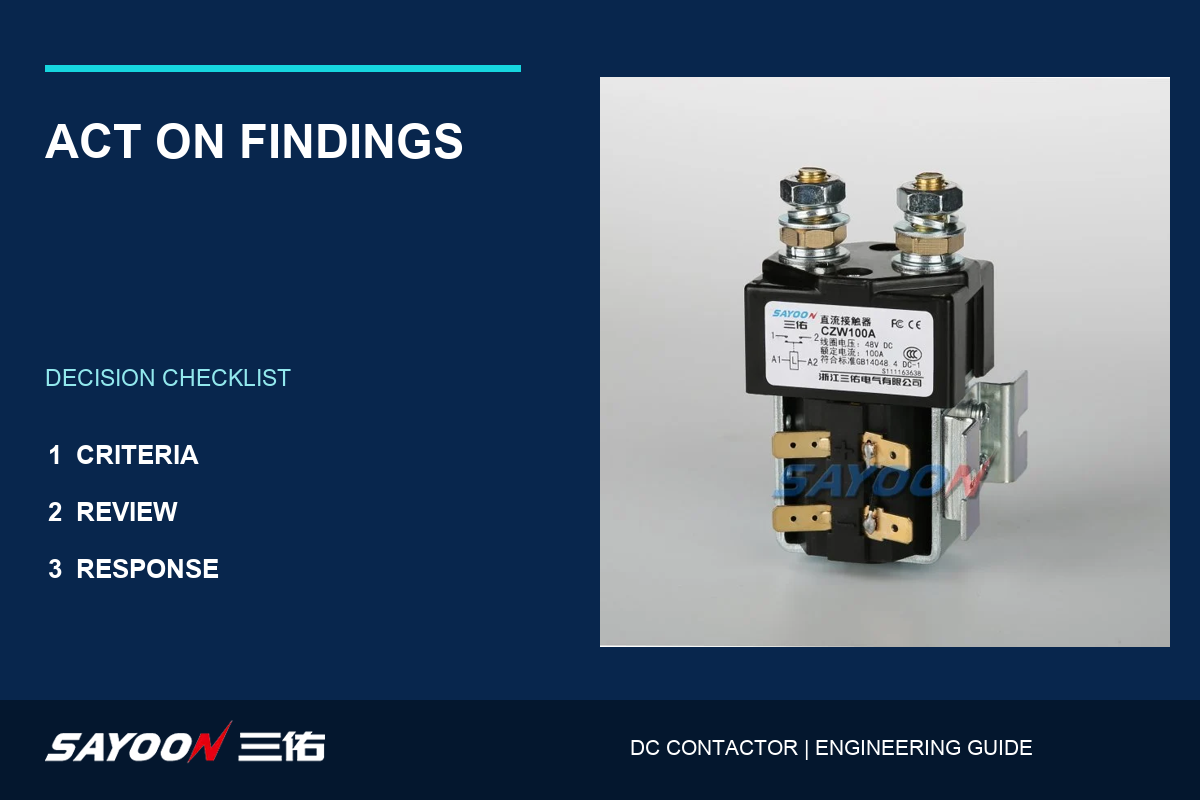
Keep trend review connected to action
Recorded data become useful when someone reviews them at a suitable frequency and has authority to respond. A gradual change can matter even before an individual check exceeds a criterion, depending on the monitoring method. Ask who reviews the data, how observations are escalated and what evidence supports continued use.
Do not demand a control chart for a process where it is inappropriate, but do ask how trends are detected where relevant. A series of isolated pass marks may conceal information that numerical records would reveal. The choice of presentation should help the laboratory understand its process rather than merely decorate an audit file.
Keep records of the action and its effectiveness. If a recurring setup problem is addressed through a revised fixture or instruction, subsequent evidence should support the claimed improvement. The monitoring plan may need revision as the laboratory learns which influences matter. An unchanged form is not the goal; dependable results are.
Apply a proposed purchasing scenario
Suppose a laboratory notices an unexpected shift in a reference check during a contactor measurement programme. The buyer needs to know whether the shift affects its work and what evidence will support release. The correct first question is not whether the contactor passed, but whether the measurement process remains suitable for interpreting that result.
Request a scoped explanation of the observed issue, affected activities and proposed disposition. The laboratory might establish that the concern was confined to a different range, or it might need further investigation and repeat work. Either conclusion should follow evidence. Retain the original results and any revisions rather than allowing the revised report to obscure the sequence.
This is a proposed review example, not a documented SAYOON incident. It illustrates the purchasing value of asking about monitoring before placing an order. Clear responsibilities, communication and result-release conditions make a later unexpected observation easier to resolve without treating every technical question as a dispute.
Educational video
IAFandILAC explains the role of laboratory accreditation and the ILAC arrangement; this is general context for reviewing laboratory evidence, not a demonstration of the specific test or proof of provider accreditation. This educational background does not assess a particular contactor or approve an equipment design.

Frequently asked questions
Does a valid calibration certificate replace internal checks?
No. Calibration and internal result-validity monitoring address related but different questions. The laboratory should explain the suitable combination for the actual method and measurement arrangement.
Must every laboratory use every monitoring technique?
No. Techniques should be appropriate to the activities and relevant risks. Ask what each selected check detects and how important uncovered influences are addressed.
Can a failed check be repeated until it passes?
A repeat may form part of an authorized investigation, but it should not erase the initial result. Preserve the evidence and assess affected work before releasing unsupported results.
Does an internal check prove a contactor is certified?
No. It supports confidence in a measurement process within its scope. Product certification or a specific application approval requires separate applicable evidence and decisions.
Product and related guides
Discuss the application using the CZW100A Normally Open DC Contactor and the DC contactor selection guide. Related reading: DC contactor test equipment calibration: traceability and report review, DC Contactor Laboratory Proficiency Testing: Buyer Review.
Technical references
Apply each reference within its stated scope. General methods do not establish a product rating or project acceptance.