الجواب السريع: An EV contactor life calculation should divide the vehicle duty into distinct switching events, apply the manufacturer’s electrical-endurance data at the actual DC voltage and current, account for temperature, inrush, breaking direction, and fault exposure, and then validate the result with representative testing. Mechanical cycle life cannot be substituted for electrical life because arcing and contact heating dominate when load is switched.
يُمكِّن هذا الدليل الهندسية من تحويل الموضوع إلى سلسلة قابلة للتحليل لفرق البطاريات، ومحركات الحماية الذكية، والاختبار، والتموين، والخدمة. ويستخدم العائلة الحقيقية للمنتجات كمرجع، مع الحفاظ على ربط كل تصنيف وتقييم قرار السلامة بالاستخدام النهائي والوثائق الحالية للمصنع.
خريطة القرارات
| الحالة التشغيلية | الأدلة المتوقعة | تركيز على الهندسة |
|---|---|---|
| Normal key-on/off | Low current after correct precharge and torque removal | Largest cycle count; verify sequence remains controlled |
| Charging connection | Bidirectional current and repeated sessions | Voltage window, current direction, temperature |
| Emergency opening | Higher current or abnormal voltage | Separate qualified duty; do not average into normal cycles |
| No-load diagnostics | Mechanism operates with minimal main current | Counts toward mechanical life, not the same wear per cycle |
المرجع المنتج وحاجز التطبيق
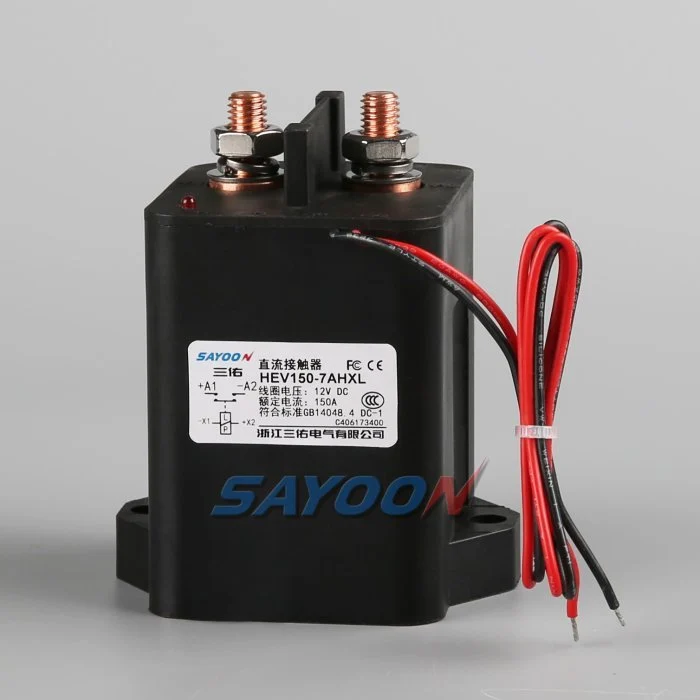
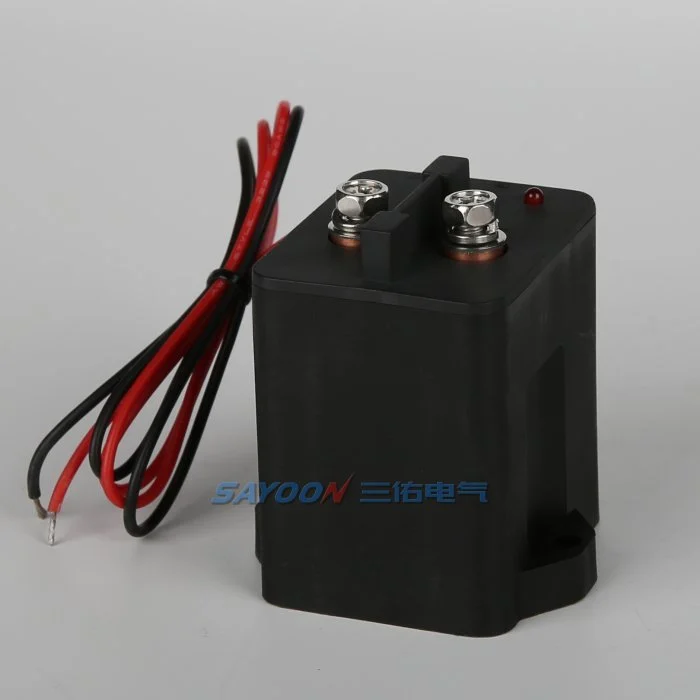
ال HEV150 high-voltage sealed DC contactor المنتج المعروض هنا هو مرجع حقيقي لمنتج Sayoon. راجع مجموعة المقاومات الثنائية الجهد العالي بالنسبة للفئات الحالية المجاورة. لا يحدد التصميم وسمة العائلة موافقة على أي مركبة معينة. يجب مراجعة الرقم النهائي للوحة القيادة، وخيار المقبس، والرسومات، والواجبات الكهربائية، والحرارة، والبيئة، والحياة، وتنسيق الحماية بشكل متكامل.
Mechanical life versus electrical life
Mechanical life describes operations with little or no main-contact current under stated conditions. Electrical life describes operations while making, carrying, or breaking a specified load. In an EV pack, the mechanism may survive far more cycles than the contacts can endure under DC arcing. Use mechanical life to check wear from diagnostic exercises and key cycles, but use electrical-endurance evidence for current-carrying events.
The catalogue value is valid only for its test voltage, current, load type, switching frequency, ambient condition, conductor arrangement, and failure criterion. Do not scale it by current alone or assume that half the rated current automatically doubles life.
Build a mission profile
Estimate vehicle years, operating days, trips per day, charge sessions, service events, diagnostic cycles, and abnormal shutdowns. For each event, record whether the contactor makes current, carries current, or breaks current; the voltage and current at the instant of transition; polarity; duration; temperature; and precharge state. Group similar events into bins rather than using one average cycle.
A simple planning total is N_total = years × operating days per year × events per day, but that number is only the start. A life model must preserve the different wear severity of normal zero-current opening, capacitive make, regenerative current, and emergency interruption.
Estimate wear with duty bins
For each validated duty bin, divide the planned number of events by the demonstrated endurance for that exact or conservatively bounding condition. Summing those fractions can be used as an engineering screening index: D = Σ(nᵢ / Nᵢ). If D approaches one, the planned duty consumes the demonstrated endurance. This is not a universal physical law and should not replace supplier data or qualification testing; it is a traceable way to combine approved test points.
Example inputs should come from measured vehicle traces and manufacturer curves. If no endurance point bounds a severe event, mark the result unavailable and request testing. Never invent an Nᵢ value from a nominal current rating.
Precharge and make-current control
Incorrect precharge can dominate contact wear. An inverter DC link initially appears as a capacitive load, so closing the main contactor before the voltage difference is reduced creates a high make pulse. Verify the resistor value, pulse energy, timeout, and measured voltage ratio. Count failed or repeated precharge attempts because they can create more severe events than normal starts.
A contactor that carries 150 A continuously may still be damaged by a much shorter uncontrolled inrush. Separate carry heating from make erosion in the review. The precharge controller should use measured voltage rather than a fixed delay alone.
Breaking current and arc energy
DC current has no natural zero crossing, so voltage, current, circuit inductance, polarity, arc-control structure, and opening speed influence interruption wear. Normal software should remove torque or charging current before opening when the safety concept permits. Emergency opening must be treated as a separate qualified event with its own limit and expected count.
Do not average one high-current break into hundreds of no-load operations. If a crash device or fuse is intended to clear the severe fault, document the coordination and the residual duty the contactor must survive.
Temperature, resistance and installation
Contact heating is related to current squared times resistance. Ambient temperature, enclosure airflow, terminal torque, busbar support, conductor size, and neighboring heat sources change the contact temperature and therefore the life margin. Record contact resistance and terminal temperature on new samples and after endurance blocks.
A rising voltage drop can indicate wear or a loose connection, but the measurement method must exclude cable and joint resistance. Use consistent four-wire points where practical and define the acceptance limit from approved product data.
Validation and confidence
Run representative duty sequences on production-intent contactors, drivers, busbars, and protection hardware. Include cold and hot starts, supply tolerance, vibration, and the switching waveforms that drive the life model. Inspect timing, contact resistance, temperature rise, insulation, and failure modes at planned intervals. Test multiple samples so one favorable unit is not treated as a population guarantee.
Compare measured wear with the calculation, revise the duty bins, and retain the evidence with the vehicle program. Add margin for uncertainty, manufacturing variation, and foreseeable retries.
RFQ data for a life review
Send the battery voltage range, current traces at make and break, continuous duty, switching frequency, event counts, current direction, DC-link capacitance, precharge sequence, fault-clearing strategy, temperature, vibration, mounting, conductor size, coil driver, and target years. Ask the supplier to identify which endurance data applies and what additional qualification is needed.
The HEV150 shown here is a real product reference. Final life approval requires the exact model, coil option, duty, and installation—not a visual match or headline ampere rating.
سجل القبول
إنشاء سجل موحد يحتوي على رقم القطعة الكامل، وتاريخ التصميم، وخيارات المقبس، ووظائف المقبس، ومجموعة الجهد، وموجة التيار، وحالة التبديل، وتفاصيل الشحن والإفراج، والبرمجيات المساعدة، وحالة HVIL، والحماية، ودرجات الحرارة المحيطة ومواصفات الغلاف الخارجي، وتوجه التركيب، وتفاصيل المقودات والبطاريات، ومواقع الأجهزة، وحالة الاختبار، وإصدار البرنامج، وحدود النجاح/الفشل. قم بتمييز القيم المقاسة عن القيم في الكتالوج، وقم بتسجيل أي دليل مفقود كعمل مفتوح بدلاً من إدخال قيمة نموذجية.
اختبار الحدود الهامة: إمدادات الملفات المنخفضة والمُرتفعة، والظروف الباردة والساخنة، وأطول حزام معتمد، ودورات متكررة، والحالة غير الطبيعية المحددة في مفهوم السلامة. تسجيل الأمر، وتوليد الجهد والتيار، والردود التكميلية، وتوليد الجهد في العبوة، وتوليد الجهد في جانب الحمل، وأعلام الأعطال على قاعدة زمنية واحدة. وقف إعادة المحاولات التلقائية بعد عدم مطابقة غير مبررة، وعزل الطاقة المخزنة، والحفاظ على أدلة الاعطال الأولية. تصوير الإعداد وتخطيط المحطة الطرفية، وتحديد كل نقطة مسح، وتسجيل حزام التوصيل ومحطة التوصيل المعتمدين حسب الغرض من الإنتاج، وتوضيح سبب سلامة كل عتبة. تكرار عينة تمثيلية بعد الاستقرار الحراري وبعد مرحلة التحمل المخطط لها. يجب أن لا يمحو هذا التسجيل عيباً سابقاً ناجحاً. تسمح هذه السجلات بمقارنة عينة بديلة، وتعديل المورد، وتحديث البرامج الثابتة، أو تغيير حزام التوصيل مع نفس خط الأساس المعتمد.
دليل Sayoon ذات الصلة
استخدم دليل اختيار موصل التيار المستمر, سير عمل اختبار الملامس الآمن, ، و دليل وقت الفتح والإغلاق للمقررات التكميلية. feedback plausibility guide explains command, auxiliary, and bus-voltage correlation.
فيديو تعليمي
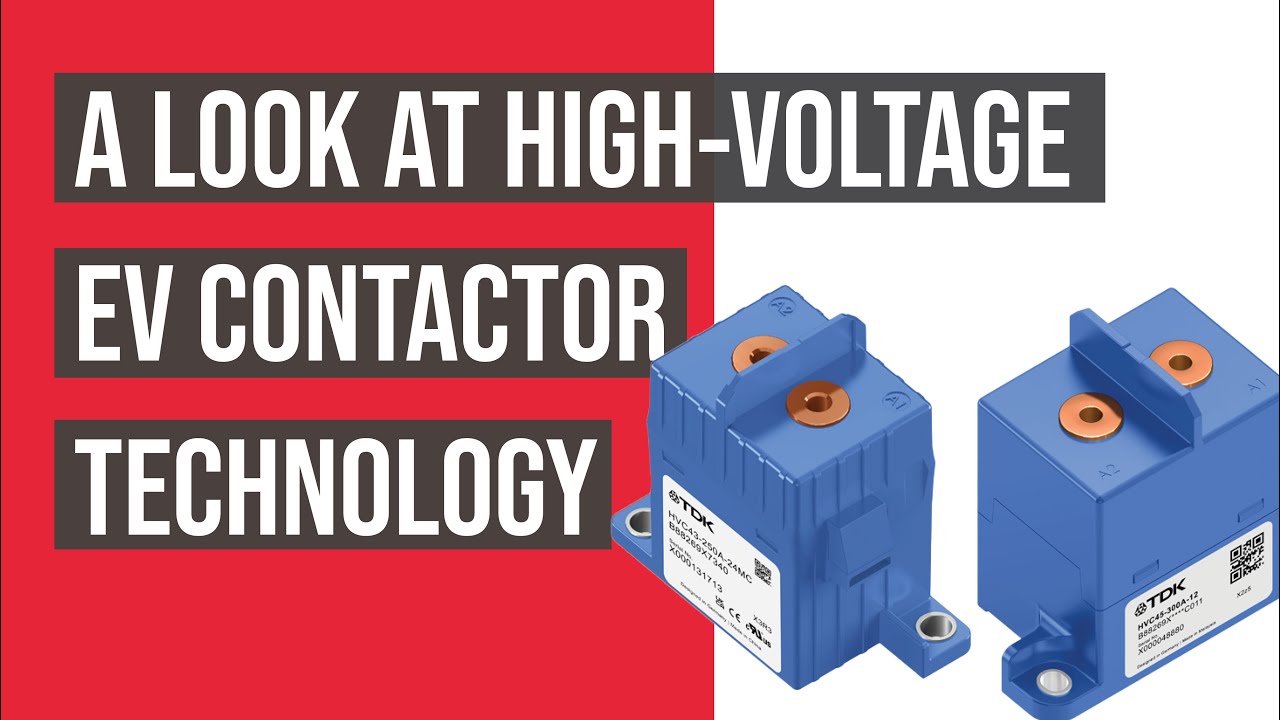
A Look At High-Voltage EV Contactor Technology by CHARGED Electric Vehicles Magazine provides visual background related to this engineering review. It does not replace the written requirements, product data, or vehicle safety procedure.
شاهد الفيديو التعليمي على يوتيوب.
الأسئلة الشائعة
What is the most important check for ev contactor life calculation?
ابدأ من أعلى جهد وواجهة تحويل حقيقية، ثم تحقق من بيانات المكونات المانعة للاتصال بدقة، وسلسلة التحكم، والتركيب، وسلوك العطل معًا.
هل يمكن لمسؤول مساعد أن يثبت أن الوصلات الرئيسية صحية؟
لا. يحدد آلية تقارير ردود الفعل التكميلية حدودها. استخدم جهد التوصيل، والوقت، وتيار الملف، وحالة الدائرة كأدلة مستقلة.
هل يمكن استخدام تصنيف التيار الاسمية كقاعدة اختيار شاملة؟
لا. التيار المستمر، التيار الناتج، التيار المقاوم، الجهد، درجة الحرارة، القطبية، العمر، العزل، وتنسيق الحماية هي ظروف منفصلة.
ما هي المعلومات التي يجب إرسالها مع طلب التوريد؟
ارسل بيانات موجات الجهد والتيار، وخط سير التحويل، وبيانات عن الملف اللولبي والمدّارة، وعمليات التفاعل، والحماية، والتركيب، ومستوى العمر المستهدف، والأدلة المطلوبة للاختبار.
مصادر موثوقة
- IEC 60947-4-1 contactor and motor-starter standard page
- Texas Instruments high-voltage contactor driver note
- NREL vehicle technologies research
استخدم الطبعة والمتطلبات المعتمدة من قبل برنامج السيارة. قد تتغير المعايير وبيانات الموردين، ويجب على فريق الهندسة المسؤول التأكد من التصميم النهائي.