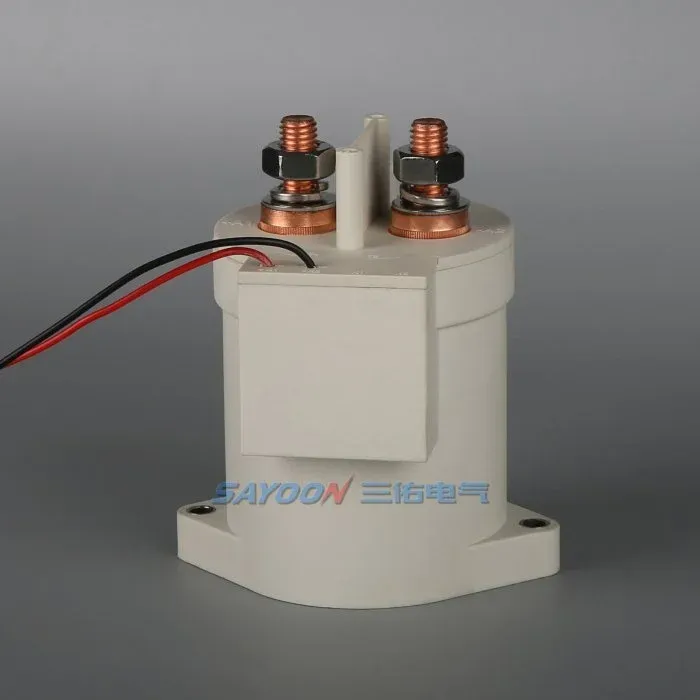
With regards to using electrical tabs & circuits, it is important to know what separates a contactor and relay to help you make an informed choice for your device. While both devices serve the same purpose, there are differences in terms of specifications, capabilities, and intended uses of the devices that you will find below. We will go over all the differences here to help you choose the device that best meets your needs.
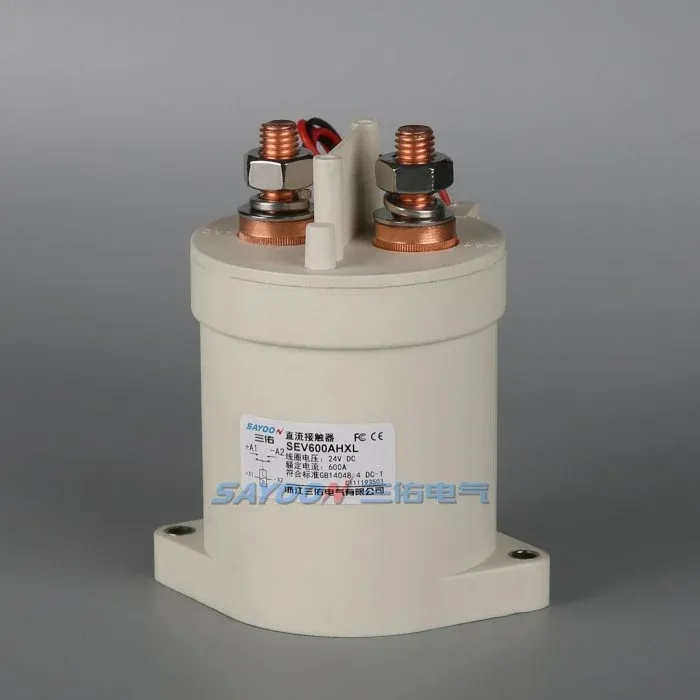
Key Differences Between a 24 Volt DC Contactor and a Relay
A contactor 24 VDC specialty item, which can be fitted with many magnetic switches, is usually used to control large power loads. Relays are generally used for smaller load applications. The primary differences between contactors and relays are:
1. Load Capacity: Because of their ability to support heavier loads and higher current ratings (often greater than 10 Amperes), contactors are commonly used in motors and larger electrical systems. In contrast to this, relays are designed primarily for assisting with lower current applications (generally less than or equal to 10 Amperes).
2. Construction: A contactor is built with a sturdy design, larger contacts, and a larger coil to be able to handle high current. In contrast, a relay is typically smaller in size and as such cannot require the same level of strength to be suitable for an industrial application.
3. Switching Speed: Contactors are created for quick application of an electrical connection/opening of an electrical connection, while relays can vary greatly in their ability to respond to electrical signals. In some applications, particularly those that require precise timing, this difference could be very important.
24 Volt DC Contactor vs Relay: Cost, Size, and Lifespan Comparison
The cost of the device can be a consideration. Due to their greater power handling capabilities and durability, a 24 Volt DC contactor is usually more expensive to purchase than a relay. In addition, contactors tend to be larger than relays, so in applications where space is limited, that will be an important consideration. The lifespan of relays and contactors is also significant; contactors are typically rated for thousands of cycles and will provide a much better service life than the relay if both devices complete the same number of cycle operations.
How to Choose Between a 24 Volt DC Contactor and a Relay
Choosing between a 24 Volt DC contactor and a relay primarily hinges on your specific needs:
Depending on what you’re doing, there are two types of devices you can use to control things in an application. If your project includes motors or higher voltage systems, you need to use a contactor. However, if the application is simply turning on/off a small device or switching a small circuit, then you would be best served using a relay.
Check the current ratings needed for your application. Use a contactor if your application draws more than 10 Amps continuously.
Limited Space: A relay is more compact than an equivalent switch, and therefore may be a better option if you do not have sufficient room to install an equivalent switch.
Ultimately, after careful consideration of these factors, you can pick out the device that will allow you to accomplish your operation within budget.
FAQ: Frequently Asked Questions
Q: What is the primary use of a 24 Volt DC contactor?A 24V DC contactor is used to control high-voltage electrical loads such as motor and heater circuits and also sometimes for lighting within industrial or commercial settings. Its design provides sufficient strength to handle the higher peaks in current as well as reliability of operation under extreme conditions.
Q: Can a relay replace a contactor?If the load does not exceed the rating of the relay, a relay can be used instead of a contactor for small electrical loads–however, for larger loads or any time loads will be switched often or at high current levels, it is generally preferable to use a contactor since they are constructed for heavy-duty applications and can withstand greater currents than relays.
Q: Are contactors more expensive than relays?Comparing contractors and relays, contractors are generally more expensive than relays due to being able to carry a heavier load with greater efficiency, more safety features (overload, short circuit, etc.) and much longer service life. The added cost of purchasing a contractor is justified because they perform better in industrial applications or high-load situations.
Q: How can I tell if I need a contactor or a relay?Assess the electrical load of your application, its current requirements, and the environmental conditions. A relay will perform well in light-duty applications, while a contactor is appropriate for heavy-duty applications. Space limitations and budget should also be considered when selecting a relay or contactor.
To summarize, it is valuable to know the variations among 24VDC Contactors versus Relays when selecting and using devices for your electricity use. If you want to manage a large power system, you will use a contactor, but if you run a smaller area’s devices across multiple circuits, you could use a relay. There are many variables that determine which device(s) you will use, such as how much power you are using, how much it costs, how big it is, etc., but understanding the variations will assist you in determining the most appropriate method of operation for your application.