DC contactor laboratory outsourced testing review means checking which organization actually performs each requested activity, whether it can do the specific work, what the customer has agreed to, and how the external results appear in the final report. Start before samples move. A quotation from one laboratory does not prove every test happens at that site. For purchasing and quality teams, the objective is a clear chain from the ordered contactor and test requirement to the performing laboratory, supporting observations and a properly limited conclusion.
Define the activity being purchased
Break the request into identifiable activities. A contactor evaluation could involve visual inspection, dimensional checks and specialized electrical testing, but the actual purchase documents determine the work. List the method reference, revision, sample identity, conditions and required deliverable for each activity. Do not assume a laboratory offers all tasks merely because its website describes a broad electrical capability.
State whether outsourcing is permitted and what notification or approval is required under the contract. Explain who may accept a proposed change of provider. A late email announcing that testing has already moved leaves the buyer with fewer options if the new arrangement does not meet the intended scope. Agreeing the process early also helps the laboratory manage temporary equipment problems without compromising a delivery commitment.
Identify the organizations and their responsibilities
Record the contracting laboratory, performing laboratory and any intermediary separately. Use legal names, relevant site addresses and contact roles sufficient to associate the report with the work. The person issuing a quotation may not be the organization making the measurement. Ask whether further outsourcing is possible and how it would be controlled. A chain of unnamed providers is difficult to evaluate when an unexpected result needs investigation.
Define who reviews the external result before it enters the final deliverable. UNIDO’s implementation guide discusses suitable externally provided resources and the laboratory’s responsibility to the customer for their quality. This is broader than passing along a PDF. The contracting organization needs to understand whether the returned work meets its established requirements and to address unresolved differences before relying on it in a purchasing conclusion.
Match competence to the particular outsourced scope
Check the evidence against the method, quantity, range and actual site involved. If accreditation is required, examine the performing laboratory’s relevant scope and current status through the applicable accreditation body. A certificate number alone does not describe every activity covered. A laboratory may be competent in one measurement and have no demonstrated capability for a different contactor switching duty.
Where the contract permits other competence evidence, define what is acceptable before selection. This could require a documented technical assessment, method implementation evidence or relevant comparison results. Do not invent a universal substitute for accreditation when the customer expressly requires accredited testing. A lower price or familiar brand does not resolve a technical scope gap. Record the gap and obtain a suitable arrangement instead.
Use an external-work review table
| Evidence field | Required information | Review purpose |
|---|---|---|
| Activity | Method, revision, conditions and deliverable | Define what is actually outsourced |
| Provider | Performing organization, location and competence | Check suitability for the specific task |
| Agreement | Customer authorization and permitted changes | Avoid unapproved changes to the work |
| Report | External result identity, scope and limitations | Preserve the evidence chain in the final report |
Planning checklist based on the scoped technical reference and the applicable purchase documents; no universal acceptance limits are implied.
The table is a planning aid for defining the evidence chain. It does not establish test limits or confer approval on a provider. Attach the actual purchase requirements and identify who confirms that each field is adequate. Where an entry is unknown, leave it as an open item rather than filling the cell with a general claim such as internationally recognized. A traceable answer is more useful than reassuring language.
Include the permitted reporting format. Specify whether the original external report must accompany the contracting laboratory’s report, how revisions will be identified and what information is needed to interpret the result. Avoid requesting confidential information unrelated to the work, but do not accept confidentiality as a reason to conceal the identity or scope of the performing laboratory when those are essential to the contracted review.
Obtain customer agreement for the real arrangement
The scope sent to the external provider should match the work discussed with the customer. If the method, site or subcontracted activity changes, assess the effect and use the agreed approval route. Distinguish consent to use a named external provider from acceptance of changed test conditions. One does not automatically authorize the other. Keep the dated decision with the test request.
The CALA application document is a scheme-specific example of how laboratory assessment guidance addresses subcontracting and customer arrangements. CALA also states that its scheme does not require the laboratory to identify the subcontractor to its customer. Requesting a named provider here is a proposed purchasing condition, not a claim that this disclosure is universally mandatory. Its analytical context should not be treated as a universal form for electrical contactors. Use the relevant accreditation body’s rules and the actual contract when a formal requirement applies. This article supplies review questions, rather than replacing those controlling documents with an informal checklist.
Preserve sample identity across the handoff
Give every item a stable identifier that remains connected to the contactor model, ordered variant and requested activity. Record the dispatch and receipt references, quantity and relevant condition observations. If the external laboratory assigns its own identifier, retain the cross-reference. Similar-looking contactors can have different ordered configurations, and an attractive product photograph cannot establish that the correct item reached the fixture.
Clarify whether testing can alter or consume the sample and what is to happen afterward. An item that has undergone a conditioning sequence may no longer be suitable for an independent as-received assessment. Agree the sequence of work, any restrictions on reuse and the disposition of tested samples. These arrangements protect the meaning of the evidence; they are separate from the packaging performance qualification of a normal commercial shipment.
Communicate methods and acceptance criteria precisely
Send the approved method, revision, necessary conditions and reporting requirements through a controlled request. Identify any customer-specific acceptance criteria and the decision rule where a conformity statement is requested. A request that says test according to the usual standard may produce technically competent work that answers a different question. Resolve differences before the provider starts the activity.
If the provider proposes a deviation, document the reason and effect on the intended use. An engineering change, an alternative fixture and a missing observation have different implications. Do not authorize a change solely because the final report can still contain a pass statement. The responsible technical reviewer should decide whether the modified work supports the purchase decision and what limitation must be carried into the final conclusion.
Review the returned report before combining results
Check sample identity, method, dates, conditions, units, deviations and the performing organization. Reconcile the received report with the ordered activity list. If one result is missing, do not silently substitute a value from another sample or an older product evaluation. Ask for clarification and keep the response associated with the report revision. The report should remain understandable to someone who did not arrange the work.
When external results are incorporated into a combined report, identify them clearly and preserve their scope. The contracting laboratory’s own accreditation does not automatically extend to every activity performed by another organization. Use the relevant scheme rules for accreditation statements and marks. This review does not grant permission to copy a laboratory’s symbol into product marketing or to claim that an entire contactor family is certified.
Manage provider changes and technical exceptions
Suppose a contracted laboratory loses access to a fixture and proposes a different site. Pause the affected activity, establish the new site’s capability and compare the proposed conditions with the original request. Obtain the required customer agreement and revise the sample and reporting instructions. If earlier work remains valid, preserve it. If the change undermines comparability, identify the additional evidence needed before release.
For an unexpected result, establish who investigates and how original observations are obtained where contractually available. Keep the external provider involved in questions about its own procedure. A commercial intermediary should not reinterpret a technical discrepancy without competent support. Record corrective actions, revised reports and any resulting change to the purchase disposition. An administrative correction should not hide a material limitation in the work.
Prepare a procurement file that can be reused
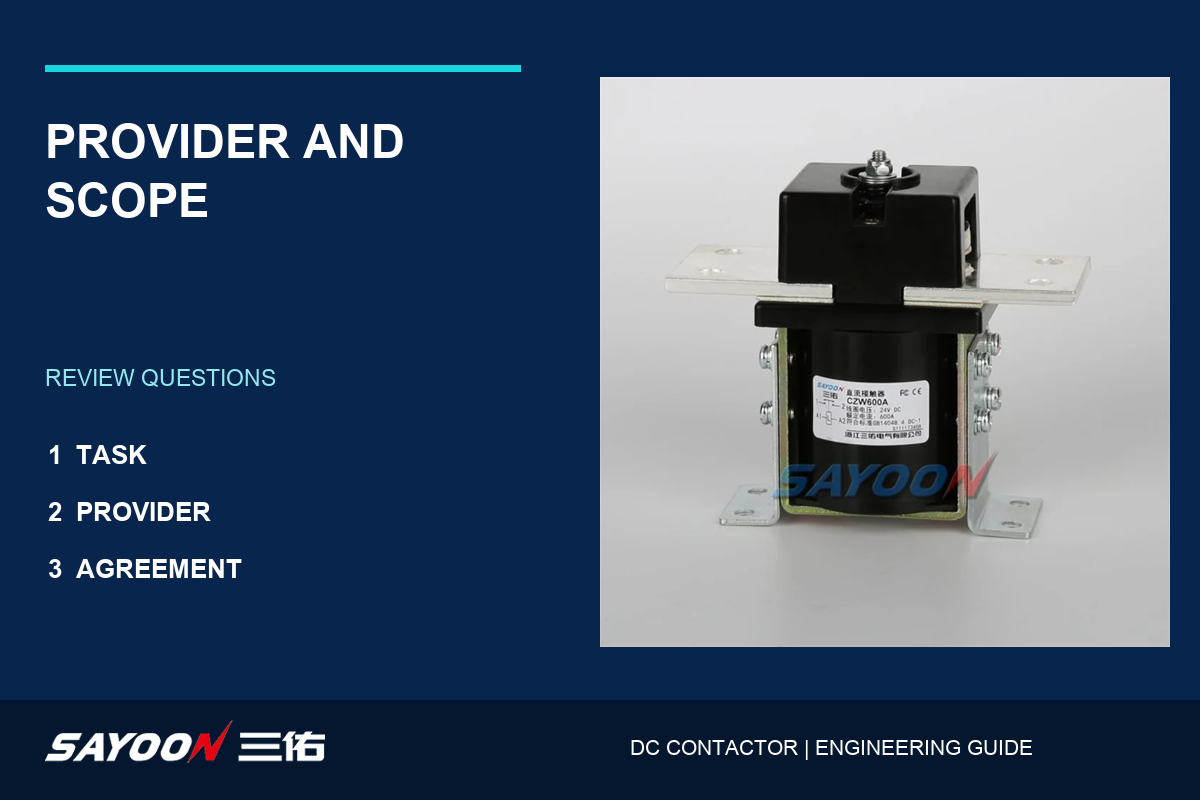
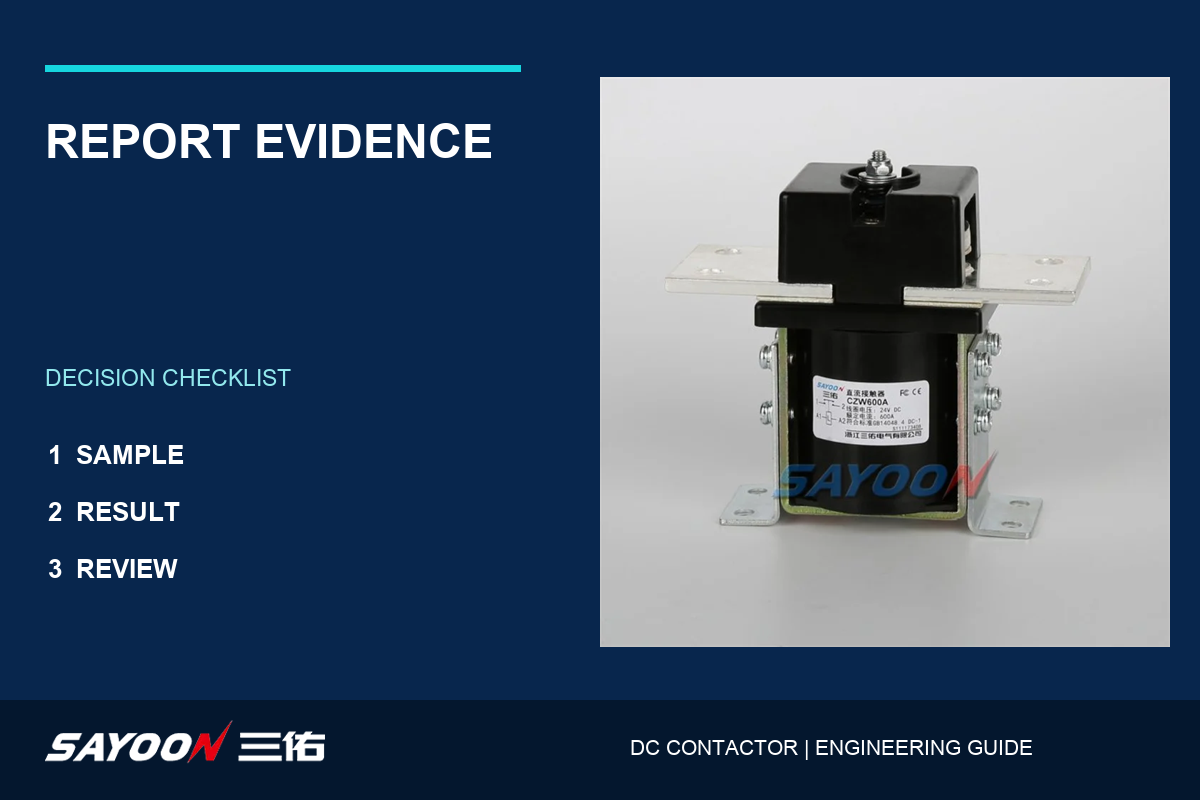
Retain the agreed scope, provider assessment, customer authorization, sample cross-reference, original external report and final review. Link these to the actual order and contactor configuration. For a CZW600A inquiry, use the product page to identify the product being discussed, then obtain the controlled variant and test documents. Do not infer the test duty or approved settings from the model name or photo alone.
Review provider performance when evidence shows a problem or the intended work changes. A provider accepted for a previous dimensional task is not automatically accepted for a new high-energy test. Keep technical suitability separate from invoice processing and delivery performance, while considering all of them in future purchasing. This produces a useful supplier record without overstating what any one report proves.
Educational video
IAFandILAC explains the role of ILAC in international laboratory accreditation; use it as background when checking the actual performing provider, not as proof that any named laboratory or test is accredited. This educational background does not assess a particular contactor or approve an equipment design.

Frequently asked questions
Is outsourced contactor testing automatically unacceptable?
No. Suitability depends on the agreed requirements, the performing provider’s capability, customer arrangements and the way results are reviewed and reported. Identify external work explicitly and satisfy any contract or accreditation conditions before relying on the results.
Whose accreditation scope should the buyer check?
Check the organization and site actually performing the activity, together with the relevant reporting arrangement. The contracting laboratory’s certificate alone does not establish coverage of another provider’s work. Use the applicable accreditation body’s current records for formal verification.
Can one report combine in-house and external results?
A combined report may be appropriate when the source and scope of external results remain clear and applicable reporting rules are met. Retain the original evidence and sample cross-references. Do not present all activities as in-house work merely for a simpler document layout.
What is the minimum useful question before sending samples?
Ask who will perform each named test, at which site, using which method, and under what customer-approved arrangement. Then agree identification, reporting and exception handling. These details determine whether the returned evidence can answer the actual contactor purchasing question.
Product and related guides
Discuss the application using the CZW600A Normally Open DC Contactor and the DC contactor selection guide. Related reading: DC Contactor Laboratory Accreditation: Verify the Scope, How to Review a DC Contactor Test Report.
Technical references
- UNIDO: ISO/IEC 17025 implementation guide
- CALA: scheme-specific application of ISO/IEC 17025 requirements
Apply each reference within its stated scope. General methods do not establish a product rating or project acceptance.