A DC contactor product change notification should trigger a comparison between the approved construction, the proposed change and the equipment that uses it. Identify the affected ordering codes and effective production boundary, ask which drawings or characteristics change, and agree what evidence must be reviewed before accepting new deliveries. A supplier statement that a change improves the product does not, by itself, establish that your existing qualification remains valid. The useful outcome is a recorded release decision tied to identifiable units, rather than an unread notice filed beside a purchase order.
This guide addresses a component that remains available but changes in some way. Discontinuance and last-time purchases require a separate supply decision. Nothing here announces a change to a Sayoon model or creates a universal notification period. The workflow is an editorial purchasing aid; your contract, equipment requirements and responsible engineering team determine the actual review and acceptance obligations.
Start with the approved baseline
Collect the exact manufacturer ordering code, coil option, accessories, drawing revision and relevant purchasing specification. Include the version that was actually qualified, not just the newest catalogue downloaded today. Where an assembly uses several contactors, identify every position and the function of each position. A common model name can conceal different coil or feedback options that need separate comparisons.
Attach the baseline evidence to the review record: dimensions, terminal interfaces, electrical duty, control supply, protection arrangement and application test references. This is not an instruction to repeat every test. It establishes what was previously accepted so the reviewer can decide which conclusions might be affected. If the original evidence is incomplete, record that limitation rather than treating the new notice as proof that the old installation was qualified.
Confirm the notice is genuine and complete
Obtain the notice through an established supplier contact and record its identifier, revision and issue date. Ask for the complete affected-parts list, attachments and any later clarification. Compare a distributor’s forwarded message with the manufacturer’s original when available. Keep the technical notice connected to the purchasing discussion so an acceptance date cannot become separated from the actual scope of the change.
Clarify dates individually. Announcement, production introduction, first shipment and last delivery of the old construction can mean different things. Ask whether mixed deliveries are possible and how each construction will be identified. Do not invent a six-month notice rule or assume silence constitutes acceptance. Those conditions must come from the applicable agreement and the manufacturer’s explicit terms, reviewed by the responsible commercial owner.
Translate the change into application questions
A description such as new terminal plating or revised auxiliary contact does not tell the equipment owner everything needed for a release. Ask what changes in form, fit, function, materials, process, manufacturing location or inspection. A change can concern several categories at once. Request a before-and-after comparison with the changed features clearly identified and unchanged claims supported by the issuer.
For an interface change, review the actual mating hardware and assembly instructions. For a coil or electronic option, ask whether the controller supply, polarity, suppression and timing assumptions remain supported. For an auxiliary-contact change, ask about the feedback circuit and the function it serves. These are questions for a qualified reviewer, not predictions that a particular modification necessarily creates a fault.
| Review stage | Evidence or question | Responsible party |
|---|---|---|
| Baseline | Order code, options, approved revision | Engineering |
| Change | Before-and-after features and evidence | Supplier |
| Boundary | First changed units and mixed deliveries | Supplier/receiving |
| Validation | Affected requirements and acceptance criteria | Engineering |
| Release | Authorised scope and production conditions | Quality/purchasing |
This table is an editorial purchasing register, not a regulatory acceptance specification. Apply the official references below and the actual project requirements.
Separate supplier evidence from your release decision
Ask which verification activities support the supplier’s statements and which configurations those activities cover. A summary should identify the tested item, relevant conditions, result and document reference. If a conclusion depends on an attachment, obtain the attachment or a controlled explanation of its scope. A document cover page provides an identity reference; it cannot substitute for the information needed to assess applicability.
NASA’s electrical, electronic and electromechanical parts assurance standard is an example of disciplined component control in an aerospace setting. It should not be described as a mandatory industrial contactor rule. The useful purchasing question is whether the organisation has a repeatable way to connect a change, supporting evidence and an authorised disposition. Apply your own project requirements rather than transplanting aerospace clauses into an unrelated order.
Decide what needs revalidation
Have engineering compare each changed feature with the assumptions behind the existing equipment approval. Possible dispositions include a documented review, a targeted inspection, an interface check or a defined validation programme. State why the chosen scope is sufficient and who approves it. Avoid the two extremes of accepting every supplier statement without review and repeating an entire qualification programme without identifying an affected requirement.
Write acceptance criteria before commissioning tests. Specify the configuration, environment, measurement and result that will answer the open question. High-energy electrical work belongs in an appropriately equipped facility with qualified personnel. A quick continuity check on a bench cannot establish interruption capability, endurance or equipment-level suitability. Keep any proposed test plan under the responsible engineering and safety process.
Control samples and production introduction
If changed samples are required, request their identity and relationship to the proposed production construction. Record whether they represent final tooling, materials and process conditions or an earlier development stage. Keep sample findings separate from permission to ship production quantities. A sample approval with unresolved conditions should remain conditional until the agreed evidence is complete.
Agree the transition boundary in a form that receiving and production teams can use. Depending on the supplier’s system, this might involve a drawing revision, date code, lot reference or another controlled identifier. Do not require a marking scheme that the manufacturer cannot actually maintain. The objective is to distinguish accepted constructions and avoid an unexplained mixture in equipment or service stock.
Handle open purchase orders and spare stock
Review open orders individually. The order placed before a notice may be delivered after the new construction enters production. Ask the supplier which construction is expected and whether the acknowledgement needs revision. Purchasing should not promise old construction simply because the internal order description has not changed. Resolve the difference before the warehouse receives a shipment with an unfamiliar label or feature.
Existing stock also needs a clear disposition. It may remain suitable, require segregation or need a project-specific investigation; the notice and application review determine that decision. Do not relabel stock to make a revision mismatch disappear. Record the quantity, identity and location of affected material and communicate the authorised use conditions to production, service and any downstream customer who needs the information.
Keep commercial acceptance distinct from technical acceptance
A purchasing acknowledgement confirms that a message was received. It does not necessarily confirm that engineering has accepted a construction change. Use explicit terms in your response so a supplier cannot reasonably interpret a receipt confirmation as unrestricted release. Where an agreement imposes response deadlines, involve the commercial owner early enough to preserve the opportunity for a meaningful technical review.
Likewise, a technical acceptance may be limited to a model option, equipment revision or delivery batch. Carry those limits into the purchase specification and receiving instructions. A release note that says approved without context can be reused incorrectly years later. Name the evidence, scope, unresolved exclusions and owner of any follow-up activity in the controlled record.
An illustrative review scenario
Suppose a supplier proposes a different accessory fastener while retaining the contactor ordering code. This hypothetical example does not describe a Sayoon change. First obtain the revised drawing and affected-parts list. Then ask the assembly owner whether tools, access, torque instructions, retention method or service documentation are affected. A reviewer might close some questions by document comparison and require a specific assembly check for another.
The acceptance record should explain that reasoning, identify the supporting documents and define when production may use the revised construction. If the supplier cannot identify the first changed shipment, the technical comparison alone has not solved the receiving problem. Hold the release open until the transition can be controlled, or agree another documented arrangement through the responsible owners.
Prepare a focused supplier enquiry
Send the notice identifier, exact order code, approved revision and equipment use description. Ask for the change reason, before-and-after documentation, affected options, supporting verification, effective boundary and sample availability if relevant. Include the required response date and the name of the technical reviewer. Clear questions are more productive than asking for a generic guarantee that nothing is affected.
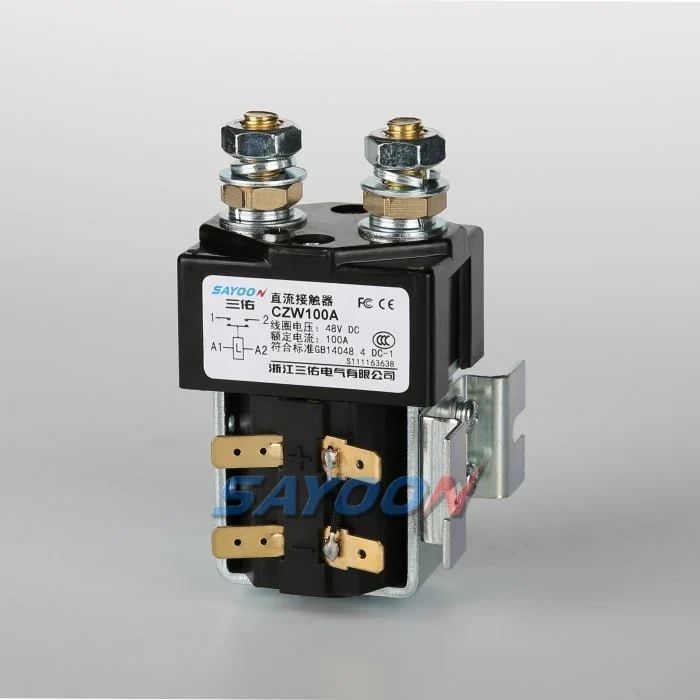
For a Sayoon enquiry, begin with the actual model and option set, then explain which existing documents and application assumptions need confirmation. The product image in this article is only an external identification illustration. It does not show a proposed modification, establish interchangeability or promise a particular change-control service. Request the model-specific response directly and retain it with the release record.
Educational video
The International Institute of Obsolescence Management introduces its lifecycle discipline. This organisational introduction provides context for maintaining availability as components change; it is not a contactor revalidation procedure or a model assessment.

Frequently asked questions
Does every product change require complete retesting?
No universal retest scope follows from the term PCN. The responsible reviewer should connect the changed features to affected requirements and define proportionate evidence, with the applicable customer and project rules controlling the decision.
Can unchanged part numbers prove interchangeability?
No. Ask what construction changed, how the transition is identified and whether the evidence supports your installation. An unchanged ordering code is an identification fact, not a complete application assessment.
What if the notice arrives after delivery?
Identify potentially affected units and involve purchasing, quality and engineering. Preserve delivery records, obtain the manufacturer’s transition information and make a controlled disposition rather than assuming all stock is identical.
Is a supplier acknowledgement enough to close the review?
Only if it contains the evidence and authorised decision required by your process. Record receipt, technical acceptance and production release separately where they represent different responsibilities or conditions.
Product and related guides
Start a model-specific enquiry using the CZW100A product identification reference. Use the DC contactor selection guide for electrical selection. Complementary reading: DC Contactor Production Lot Traceability Requirements, How to Validate DC Contactor Samples Before Mass Production.
Official references and scope
Consult each source in its stated jurisdiction and application context. General guidance does not establish the status of a particular Sayoon product, shipment, declaration or customer submission.