A DC contactor that does not pull in presents a command-path question before it presents a replacement question. The useful first step is to record the approved test condition, the drawing-defined command path, the actual terminal identification, and the observed movement without assuming a coil failure.
That record separates control-side evidence from the main-current path. It also gives an OEM reviewer a clearer basis for asking for the relevant product documentation instead of guessing from an unlabelled reading.
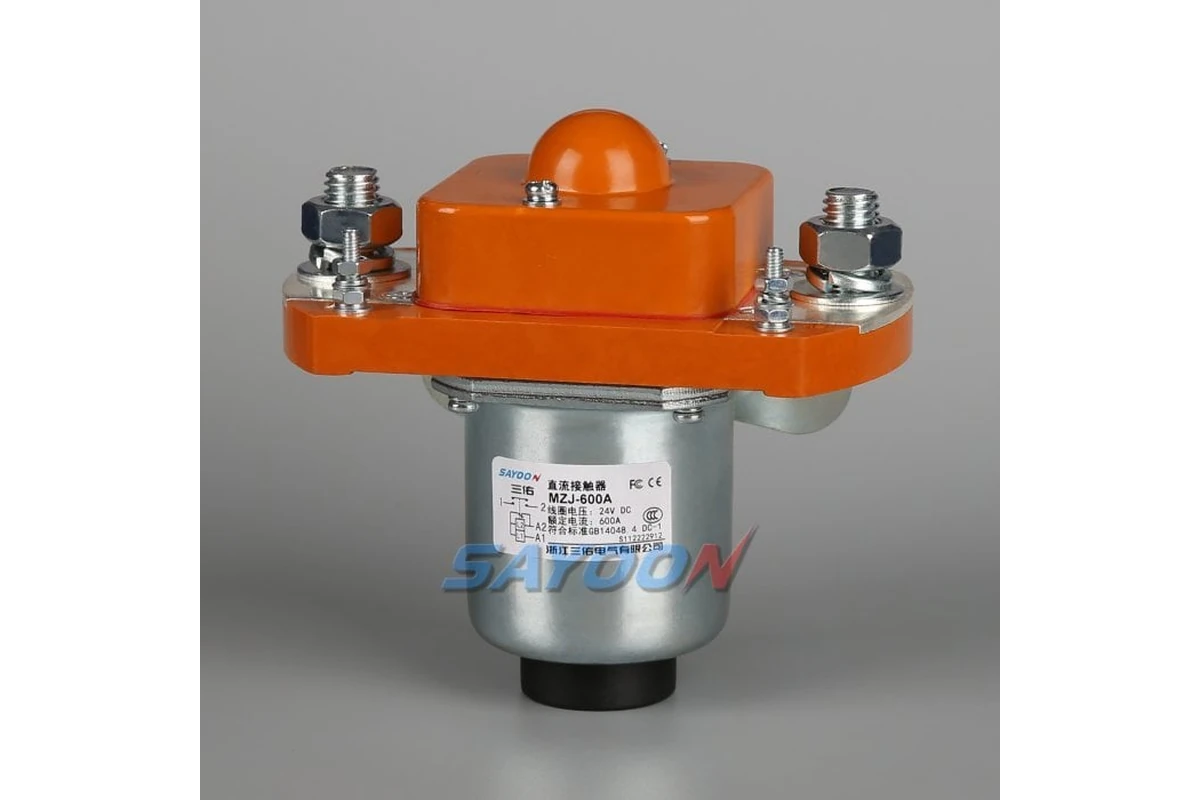
Part 1. What should be controlled before checking a no-pull-in symptom?
Start with the site’s approved isolation and safe-condition verification process. A contactor that did not move is still part of an electrical system whose control supply, main source, stored energy, and auxiliary feeds may need to be considered. OSHA’s energy-control and electrical-work-practice requirements explain the safety principle; the responsible site procedure determines how the work is authorized and performed. (control de energía de OSHA, prácticas de trabajo eléctrico de OSHA)
Identify the investigation boundary before measuring or disconnecting anything. The goal is to preserve which condition was present when the no-pull-in symptom was observed, not to create a generic test result detached from the installation.
Importante: Do not force a contactor mechanism or rely on an inactive command indication as proof that the circuit can be handled safely. Use the approved isolation and verification process first. Source: OSHA electrical-work and energy-control references listed below.
Part 2. Which drawing question should be answered first?
Use the actual drawing to identify what the command is expected to do. Locate the intended coil terminals, command source, protective or interlock elements, and the expected normal state of the auxiliary and main paths. A no-pull-in observation is ambiguous until the team knows which terminal pair and control sequence it is evaluating.
The first question is not “is the contactor bad?” It is “what state should the drawing show at this point in the sequence?” That reframing prevents a main-contact symptom, an auxiliary indication, and a coil command from being treated as the same evidence.
For terminal-language context, readers can review SAYOON’s A1 and A2 coil-terminal guide. It is a supporting reference, not proof of the marking on an installed device.
Part 3. What should be recorded about the coil command path?
Record the installed model marking, the terminal labels shown on the drawing and device, the command condition that was expected, and what was observed at the time. Also note the circuit location, drawing revision, and any control logic or interlock state relevant to the event.
| Command-path record | What it establishes | What it does not establish |
|---|---|---|
| Drawing-defined coil terminals | Which path is intended to receive the command | A generic coil value for another model. |
| Command condition at the event | Whether a command was expected in that sequence | The cause of a missing movement. |
| Terminal identification | Where the observation was made | The condition of every contact path. |
| Model marking | Which product documentation must be consulted | That another model is interchangeable. |
The existing coil-failure service checklist covers broader failure categories. This page is limited to organizing evidence around a no-pull-in symptom.
Part 4. What can the observed movement show?
Observed movement can help describe whether the device changed state under the documented condition. It does not, by itself, determine why the movement was absent or whether a coil, command source, interlock, mechanism, or other circuit condition needs correction.
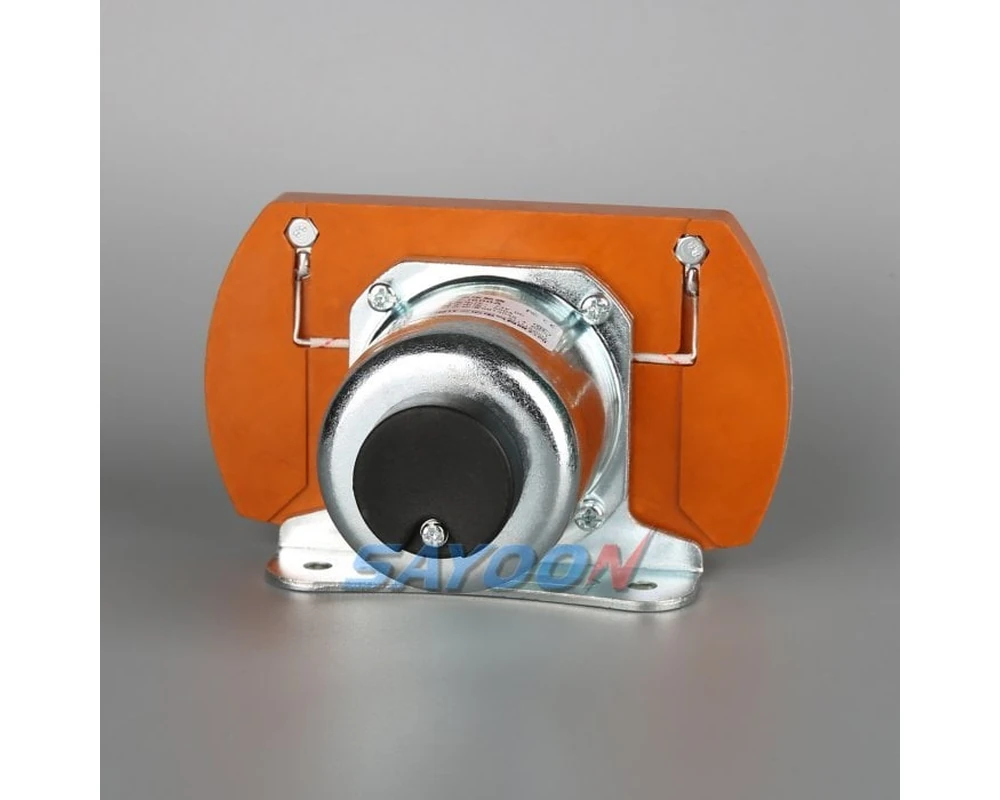
Document the movement observation with its conditions. For example, record whether the approved test condition was established, what command state the drawing called for, and whether the relevant indication agreed with the intended sequence. This produces a reviewable observation rather than an unsupported root-cause statement.
| Observación | What it can support | Boundary for the record |
|---|---|---|
| No visible state change | A reason to review the command path and device context | It does not prove a coil failure. |
| State change conflicts with drawing | A reason to stop and investigate the sequence | It does not identify a replacement model. |
| Auxiliary indication differs | A reason to trace the indicated control function | It does not prove the main-contact condition. |
Part 5. Why should auxiliary and main-contact observations stay separate?
Auxiliary contacts are often used for indication or interlocking, while main contacts belong to the intended load path. An indication can be useful evidence for the control sequence, but it should not be treated as confirmation of every main-contact condition. Keep each observation linked to the terminal designation and intended function shown on the drawing.
Likewise, a main-path observation should not be used to declare a coil condition without examining the command context. The diagnostic record becomes more reliable when it says which path was checked and what question that check was intended to answer.
Lo relacionado safe DC contactor test sequence provides a wider test-method boundary. It should not be read as an approval to work on an energized circuit or as a generic numerical acceptance limit.
Part 6. When is a no-pull-in observation not a replacement decision?
A no-pull-in observation is not a replacement decision when the drawing, command details, terminal identification, or model documentation is missing. It is also insufficient when a result is based on one reading without the conditions that make the reading interpretable.
Avoid selecting an alternative by physical form, terminal count, or a remembered coil value. Those shortcuts can disconnect the replacement discussion from the contact form, command arrangement, application, and exact documentation that the reviewer needs.
Part 7. How should an OEM prepare the diagnostic record for review?
After the command-path evidence is ready, use SAYOON’s Gama de productos de contactores de CC to find a relevant family for a review conversation, such as the CZW DC contactor line or SZJ DC contactor line. These pages assist discovery; they do not confirm a model choice for the installed circuit.
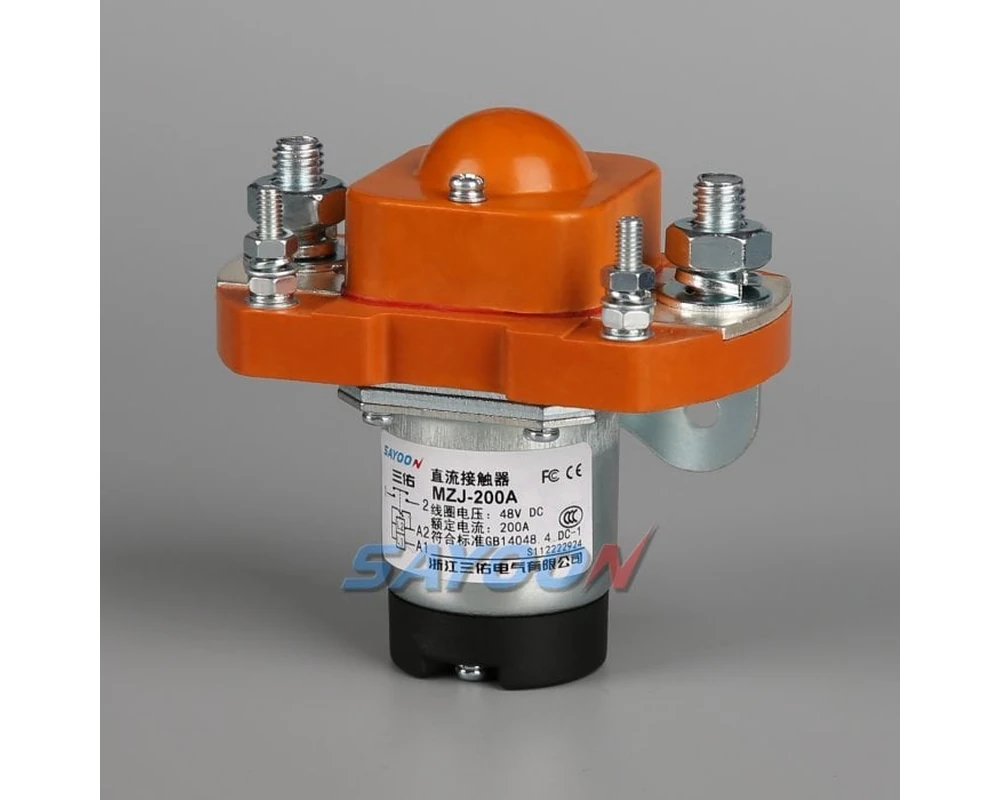
| Entrada de RFQ / El comprador debe proporcionar | Por qué importa | Evita este atajo |
|---|---|---|
| Drawing excerpt with coil-path reference | Lets the reviewer see the intended command function | Sending only a broad panel photograph. |
| Command-state record at the symptom | Defines what was expected when no pull-in was seen | Calling the device defective without sequence context. |
| Exact terminal labels and installed marking | Connects the question to the correct documentation | Assuming all terminal layouts are equivalent. |
| Application and requested contact function | Frames the contact form and use case for review | Selecting by enclosure shape alone. |
The fit boundary remains important: a no-pull-in symptom can support a diagnostic review, but it does not select a replacement. When the command-path record is ready, send the command-path record for review with the relevant installation details.
Preguntas frecuentes
Does no pull-in prove that the coil has failed?
No. The observation may justify review of the command path and exact model documentation, but it does not prove a specific coil or mechanical cause by itself.
Can a meter reading identify a replacement?
No. A reading is one observation. A replacement review also needs the drawing, terminal identification, command context, required contact function, and relevant product documentation.
Why is the circuit drawing needed?
The drawing shows which terminals and control sequence the observation is meant to evaluate. Without it, a reading or indication can answer the wrong question.
Can an auxiliary indication prove the main-contact state?
No. An auxiliary contact can support an indication or interlock check, but it does not automatically establish the condition of every main path.
Should a contactor be forced to operate?
Do not force the mechanism to obtain a result. Follow the site’s approved safety procedure and preserve the evidence for the responsible review process.
What should be included with the RFQ?
Include with the RFQ the drawing excerpt, command-state record, exact terminal labels, installed model marking, application description, and the required contact function.