Solicitudes de plazo de entrega para contactores de CC debe capturar un hito del comprador, no asumir un compromiso del proveedor. Indique la referencia del artículo, la fecha requerida o etapa del proyecto, el contexto de la cantidad, la dependencia y la confirmación exacta solicitada.
Esto le permite a un proveedor revisar una pregunta de tiempo acotado sin convertir una solicitud de cotización en una promesa de stock o entrega.
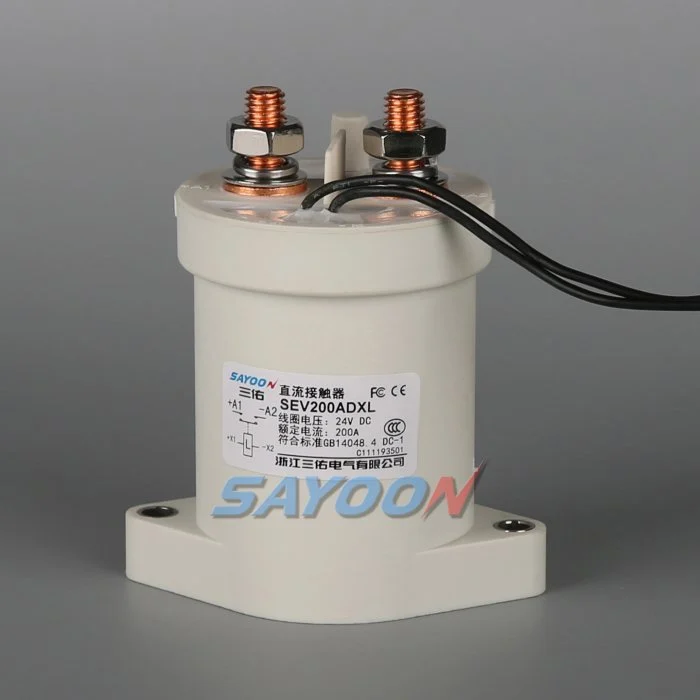
Parte 1. ¿Qué controla un registro de solicitud de sincronización?
Un registro de tiempos fija la pregunta del comprador y la referencia del proyecto que le da sentido. No le dice al proveedor qué fecha es alcanzable.
Parte 2. ¿Qué referencias de tiempo deben capturarse?
Registre la redacción del elemento, el hito del proyecto, el contexto de la cantidad, la evidencia requerida y la dependencia que motivó la solicitud.
| Campo de sincronización | El comprador debe proporcionar | Valor de revisión |
|---|---|---|
| Referencia del artículo | Redacción de consultas controladas | Identifica la solicitud. |
| Hito | Fecha o etapa requerida del proyecto | Explica el contexto temporal. |
| Dependencia | ¿Qué decisión depende de la respuesta? | Mantiene la pregunta finita. |
| Abrir confirmación | Pregunta exacta del proveedor | Evita una promesa asumida. |
Parte 3. ¿Cómo debe describirse un hito?
Utilice la propia referencia del programa del comprador e indique si se trata de un objetivo, una dependencia o una fecha de decisión. El guía del contexto de aplicación puede conservar el rol del proyecto.
Parte 4. ¿Qué es una solicitud frente a una confirmación?
Una fecha solicitada es aportación del comprador. Una fecha confirmada requiere una respuesta explícita del proveedor y cualquier revisión comercial aplicable.
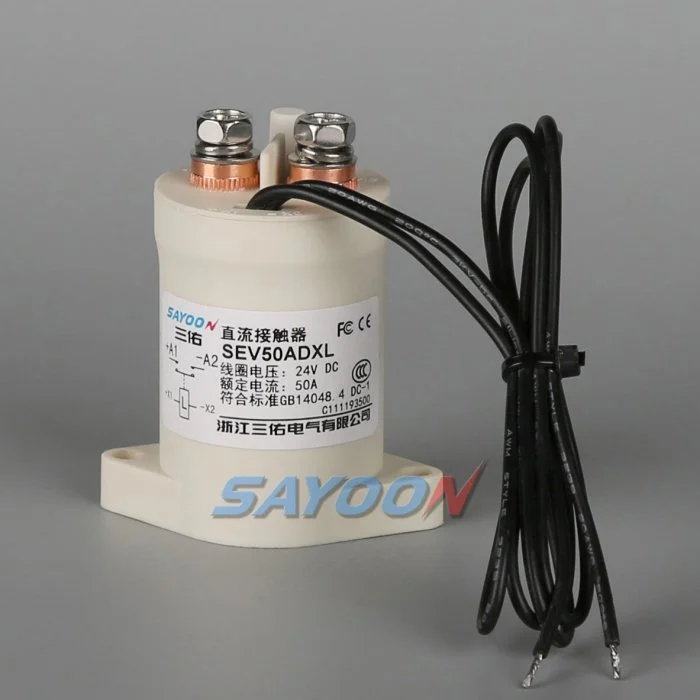
Importante: No infiera la disponibilidad ni un compromiso de entrega a partir de la imagen de un producto o de la ruta del catálogo. El artículo de prueba de contactores de Fluke es una referencia general basada en evidencias, no una prueba comercial.
Parte 5. ¿Qué no puede establecer una página de producto?
A diferencia de la confirmación de un proveedor, una página de producto no puede establecer existencias, capacidad, plazo de entrega, transporte, precio o adecuación al proyecto. Utilícela únicamente para la exploración.
Parte 6. ¿Cuándo está incompleta la entrada de sincronización?
Aclare una solicitud de cotización (RFQ) cuando falte el artículo, el hito, el contexto de cantidad, la dependencia del proyecto o la respuesta solicitada. No llene el vacío con una condición comercial inventada.
Parte 7. ¿Cómo debe llegar la solicitud a revisión?
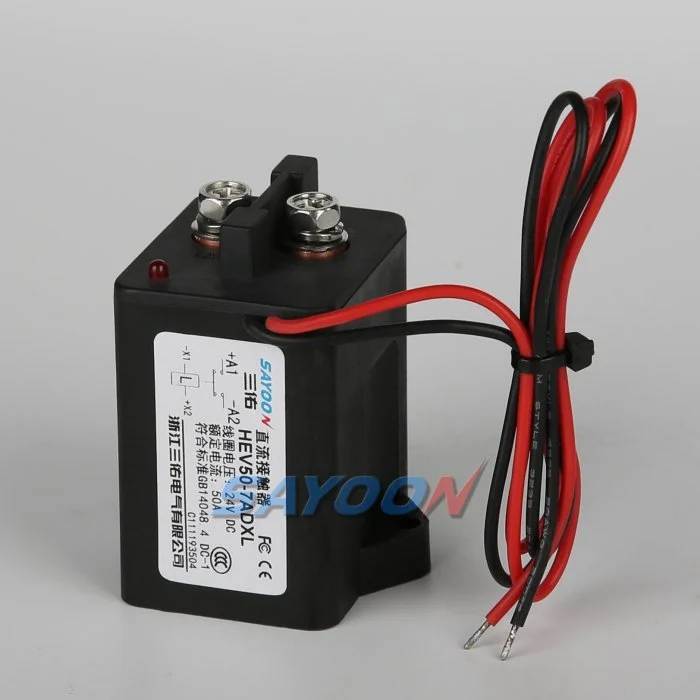
El Gama de productos de contactores de CC, Línea de contactores de CC SEV, y Línea de contactores de CC para vehículos eléctricos e híbridos son rutas de descubrimiento, no recomendaciones de tiempo.
| Entrada de RFQ / El comprador debe proporcionar | Por qué importa | Evita este atajo |
|---|---|---|
| Referencia de elemento y proyecto | Define el contexto | Nombramiento de un contactor genérico. |
| Hito y dependencia obligatorios | Plantea la pregunta | Tratar un objetivo como un compromiso. |
| Contexto de cantidad | Permite que el proveedor evalúe la solicitud | Asumiendo un MOQ o capacidad. |
| Abrir confirmación | Mantiene la respuesta acotada | Solicitar una promesa de entrega indefinida. |
Enviar la solicitud de sincronización para su revisión con el registro controlado.
Preguntas frecuentes
¿Qué información de tiempo pertenece a una RFQ?
Incluya la referencia del artículo, el hito solicitado, el contexto de la cantidad, la dependencia del proyecto y la pregunta del proveedor.
¿Una fecha solicitada prueba el tiempo de entrega?
No. Es aportación del comprador hasta que el proveedor confirme la respuesta comercial aplicable.
¿Cómo debe un fabricante de equipos originales (OEM) describir un hito?
Utilice la fecha o etapa controlada del programa e indique de qué decisión depende.
¿Qué debe confirmar un proveedor?
Solicite la respuesta específica necesaria; no asuma disponibilidad, capacidad o envío.
¿Puede una página de producto establecer la disponibilidad?
No. Es una ruta de descubrimiento y no puede proporcionar un compromiso comercial.
¿Cómo se formula una pregunta temporal abierta?
Indique el artículo y el contexto del proyecto, y luego pídale al proveedor que confirme el punto de tiempo limitado requerido.
Referencias
- Guía de prueba de contactores de Fluke respalda el límite de evidencia de la Parte 4.