A DC contactor plastic UL 94 material evidence review should connect the specified polymer grade, applicable color and thickness to the actual molded part. A material flammability classification is useful evidence, but it does not by itself certify the complete contactor, its switching performance or the equipment containing it. Before accepting a supplier statement, identify exactly what was assessed, how the production part matches that evidence and which additional product requirements apply. This guide gives purchasing and engineering teams a practical review sequence without assigning an unverified rating to any SAYOON product.
What question should a buyer ask first?
Ask whether the request concerns a material characteristic, an individual component approval or an end product evaluation. These requests need different evidence. A phrase such as “UL material” is too vague to tell the receiving team what has actually been demonstrated. Request the precise claim, supporting record and part identity before comparing quotations.
A contactor contains several items that may use different insulating materials. A housing, terminal support and coil assembly should not automatically inherit the same declaration. Start with the component identified in the drawing or purchase specification. If the supplier describes only an outer cover, keep the conclusion limited to that cover. Do not extend it to hidden insulation or the complete assembly.
Separate flammability from other electrical properties
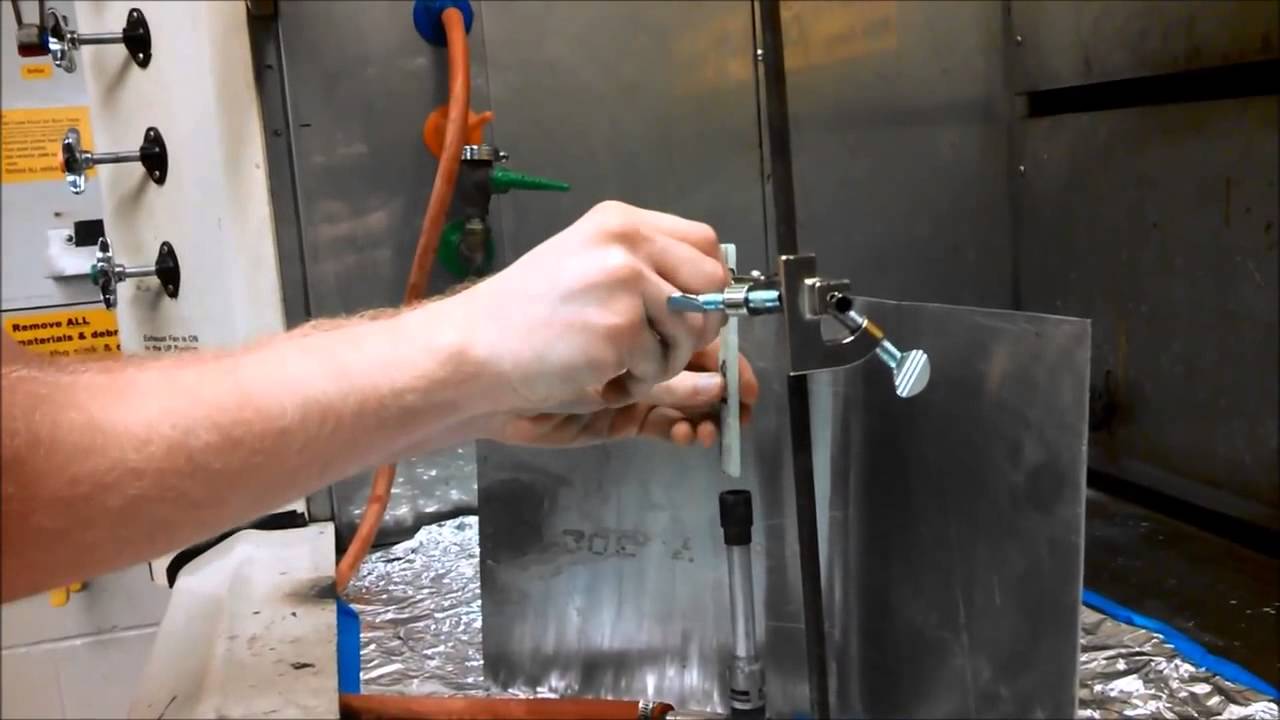
UL 94 addresses burning behavior under specified test conditions. It is not a substitute for evaluating insulation, temperature exposure, resistance to electrical ignition or complete equipment safety. Keep those questions separate in the review file. A convincing answer to one question should not close unrelated items in the purchase checklist.
UL Solutions distinguishes flame behavior testing from tests addressing ignition resistance and surface tracking. This distinction matters when a purchasing specification uses “fire resistant” as an umbrella term. Engineering should translate that phrase into the actual required characteristics and evidence. Avoid adding a universal minimum classification to all DC contactor purchases; the applicable design and assessment determine what is needed.
Build a traceable evidence package
| Campo de evidencia | Información requerida | Propósito de la revisión |
|---|---|---|
| Identidad | Component and drawing revision | Locate the actual molded part |
| Material | Manufacturer, exact grade and color | Match the supporting record |
| Condiciones | Relevant thickness and record scope | Evaluate applicability |
| Production | Material linkage and change approval | Control delivered configuration |
Planning checklist based on the scoped technical reference and the applicable purchase documents; no universal acceptance limits are implied.
The purpose of this checklist is to identify missing links in a claim. It is not a test method or a declaration that every listed document is legally required for every purchase. Use the purchase specification and the relevant assessment route to decide which records must be provided and by whom.
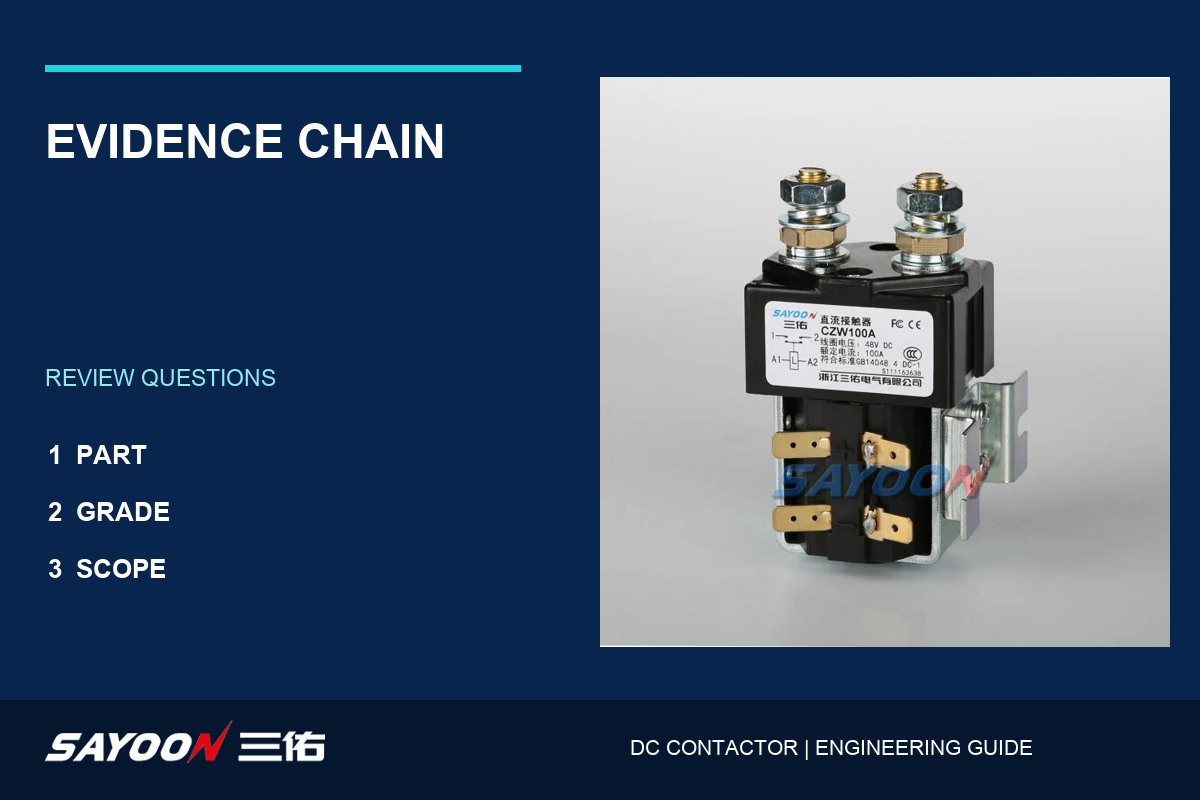
A useful package starts with the molded part number and drawing revision. It then identifies the material manufacturer, exact grade, color designation and supporting recognition or test record where applicable. The buyer should be able to follow the chain from the ordered part to the declared material without relying on a photograph of a sample resin bag.
Review thickness and color carefully
Do not treat a classification as a property detached from its recorded conditions. Compare the thickness associated with the evidence against the actual part geometry that engineering is evaluating. If the drawing includes thin ribs, walls or local transitions, ask the responsible specialist which dimensions matter. A nominal overall dimension does not settle every local material question.
Color also needs an explicit answer. A generic statement that a family of plastics is flame retardant does not identify the formulation supplied for the order. Check whether the relevant record covers the actual color or color range. If a supplier proposes a substitute pigment or resin source, route that change for review rather than treating its similar appearance as proof of equivalence.
Verify records instead of collecting logos
A certification mark on a presentation slide is not enough to verify the exact material grade. Ask for searchable identifiers and inspect the record using the issuer’s appropriate verification channel. Match names and identifiers carefully; similar trade names can refer to different grades or suppliers. Retain the retrieval date and the scope examined so a later reviewer understands what was checked.
When a supplier provides a laboratory report instead of a recognition record, read the report as a report. Identify the tested sample, method, result, conditions and limitations. Do not relabel a test result as ongoing certification. If the required evidence cannot be supplied, keep the question open and ask engineering whether the proposed part can proceed under a documented alternative route.
Connect the material record to production
A valid record for a resin does not establish that every delivered molded part was made from that resin. Agree on the practical identification and change controls needed for the order. Depending on the purchase arrangement, this may involve a controlled bill of materials, supplier declaration, material batch reference or another documented link that the responsible parties can maintain.
The receiving team does not need to reproduce the entire resin qualification program. It does need to recognize discrepancies. An unexpected part marking, altered color or revised drawing should trigger a question about identity and approval. Avoid asking warehouse staff to infer polymer composition from surface texture. Visual checks can reveal a difference; they cannot independently verify a formulation.
Handle alternate materials through change review
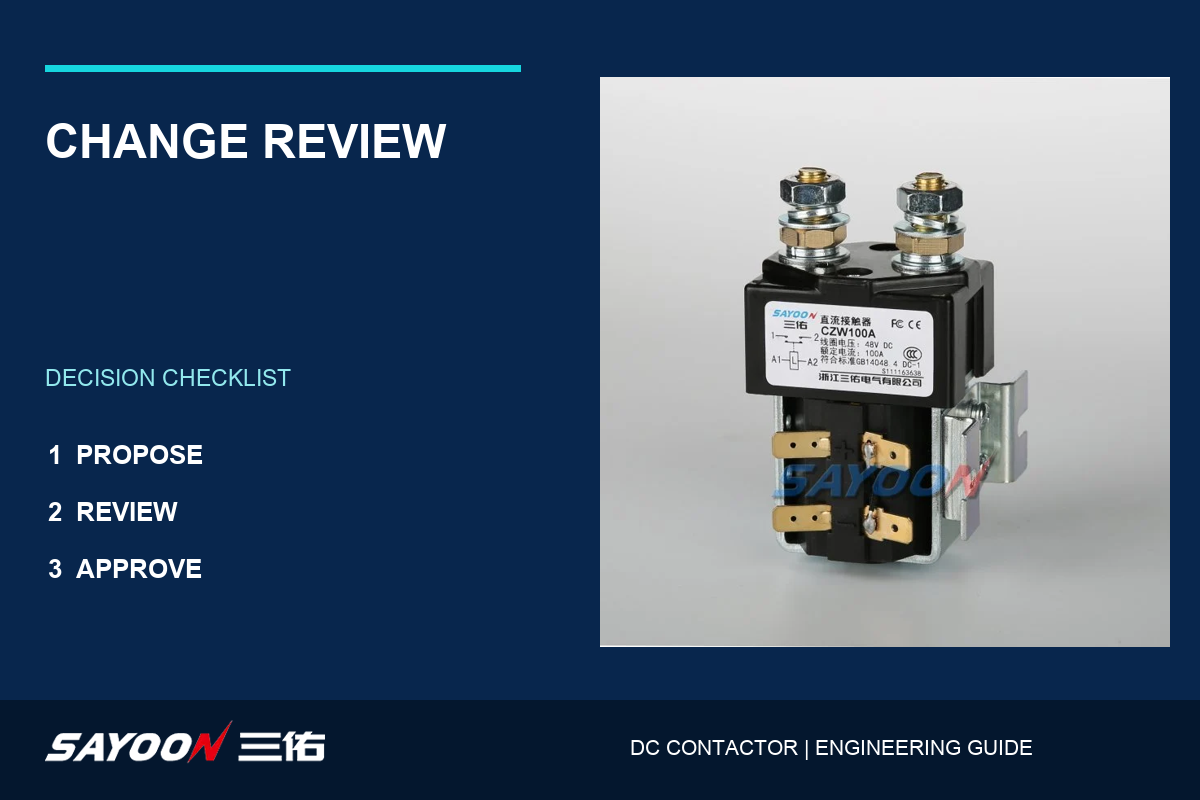
A material substitution can be proposed for availability, processing or cost reasons. Request the proposed grade and its evidence before approving it. Compare the characteristics relevant to the design, including those outside flammability where applicable. Engineering should record whether the existing assessment remains applicable, additional evidence is needed or the substitution is rejected.
Keep approval boundaries clear. Permission to evaluate samples is different from permission to deliver production units. If a temporary deviation is accepted, identify its quantity, affected order or lot, duration and responsible approver. Do not quietly replace the controlled material description with the substitute. The order history should explain which material was authorized for each delivered population.
Use a realistic supplier review example
Suppose a supplier answers an RFQ with a resin datasheet showing a vertical burning classification, but the part drawing does not identify a material grade. The useful next step is to connect the two documents. Ask which molded component uses that grade, which drawing revision controls it and whether the recorded thickness and color scope cover the intended part.
If the answer identifies only the housing, do not reject the supplier merely because other components are absent from that answer. Instead, separate the unresolved component questions. One evidence package may close the housing review while terminal supports require further information. This approach gives purchasing a clear action list and avoids either overclaiming compliance or demanding irrelevant documents from every supplier.
Define acceptance and escalation before ordering
Assign a technical owner for interpreting the evidence and a purchasing owner for collecting it. State what closes the review: identified part, matched material record, evaluated conditions and documented disposition of remaining questions. The approval should refer to the actual purchase configuration rather than a broad product family unless that family scope has been justified.
Escalate missing or inconsistent information early. A quotation deadline is not a reason to create a certification statement that the documents cannot support. Where the application needs formal approval, use the appropriate qualified assessor. General educational guidance and a supplier discussion cannot replace a required product evaluation or the equipment builder’s responsibility for its own design.
cURL Too many subrequests by single Worker invocation. To configure this limit, refer to https://developers.cloudflare.com/workers/wrangler/configuration/#limits
cURL Too many subrequests by single Worker invocation. To configure this limit, refer to https://developers.cloudflare.com/workers/wrangler/configuration/#limits.
cURL Too many subrequests by single Worker invocation. To configure this limit, refer to https://developers.cloudflare.com/workers/wrangler/configuration/#limits.
Video educativo
cURL Too many subrequests by single Worker invocation. To configure this limit, refer to https://developers.cloudflare.com/workers/wrangler/configuration/#limits.
Preguntas frecuentes
Does a UL 94 material classification certify a complete DC contactor?
cURL Too many subrequests by single Worker invocation. To configure this limit, refer to https://developers.cloudflare.com/workers/wrangler/configuration/#limits.
Can a buyer accept any color of the same polymer family?
cURL Too many subrequests by single Worker invocation. To configure this limit, refer to https://developers.cloudflare.com/workers/wrangler/configuration/#limits.
Is a supplier datasheet enough to close the review?
cURL Too many subrequests by single Worker invocation. To configure this limit, refer to https://developers.cloudflare.com/workers/wrangler/configuration/#limits.
What should be requested when the material grade changes?
cURL Too many subrequests by single Worker invocation. To configure this limit, refer to https://developers.cloudflare.com/workers/wrangler/configuration/#limits.
Guías del producto y relacionadas
Discuta la aplicación utilizando el CZW100A: contactor de CC normalmente abierto y las Guía de selección de contactores de CC. Lectura relacionada: Electrónica de la bobina del contactor de CC: guía de manipulación para la protección contra descargas electrostáticas (ESD), Autenticidad del contactor de corriente continua: Revisión de fuente y evidencia.
Referencias técnicas
- cURL Too many subrequests by single Worker invocation. To configure this limit, refer to https://developers.cloudflare.com/workers/wrangler/configuration/#limits
- UL Solutions: plastics recognition educational series
Aplique cada referencia dentro de su alcance declarado. Los métodos generales no establecen una calificación del producto ni la aceptación del proyecto.