A DC contactor warranty failure report should identify the exact supplied unit, describe the first observed event, preserve installation and operating evidence, and state the technical or commercial action requested. Keep observations separate from suspected causes. Include ordering and traceability records, application duty, coil and driver details, photographs and any approved assessment results. Do not assume a warranty period, eligibility, shipping route or replacement commitment: these depend on the applicable agreement and supplier review. A complete report helps the investigation even when coverage has not been decided and the root cause remains unknown.
Separate the technical report from the coverage decision
The technical report explains what was supplied, how it was used and what happened. The commercial decision considers the applicable terms and evidence. A report can be technically useful without proving that a claim is covered, and a purchase date alone does not establish a universal warranty period. Locate the order-specific agreement before making statements about entitlement.
Define the requested outcome: troubleshooting guidance, return authorization, failure analysis, repair disposition or a commercial review. These requests may follow different processes. State which is required and who can approve the equipment disposition. Avoid promising the customer a replacement or admitting a cause before the responsible parties have reviewed the evidence.
Secure the equipment before collecting detailed evidence
Have authorized personnel secure the equipment and follow the applicable isolation and stored-energy procedure before accessing connections or removing a device. 29 CFR 1910.333 provides a US workplace reference within its scope; local requirements and equipment instructions determine the actual task. A stopped controller or an open-command indication is not a complete isolation check.
Do not repeatedly operate the contactor merely to obtain a dramatic failure video. Further operations may create additional damage and obscure the first event. If a safe existing controller record is available, preserve it before a reset overwrites it. Record when and why equipment was shut down and who controls the next assessment.
Identify the unit and connect it with the order
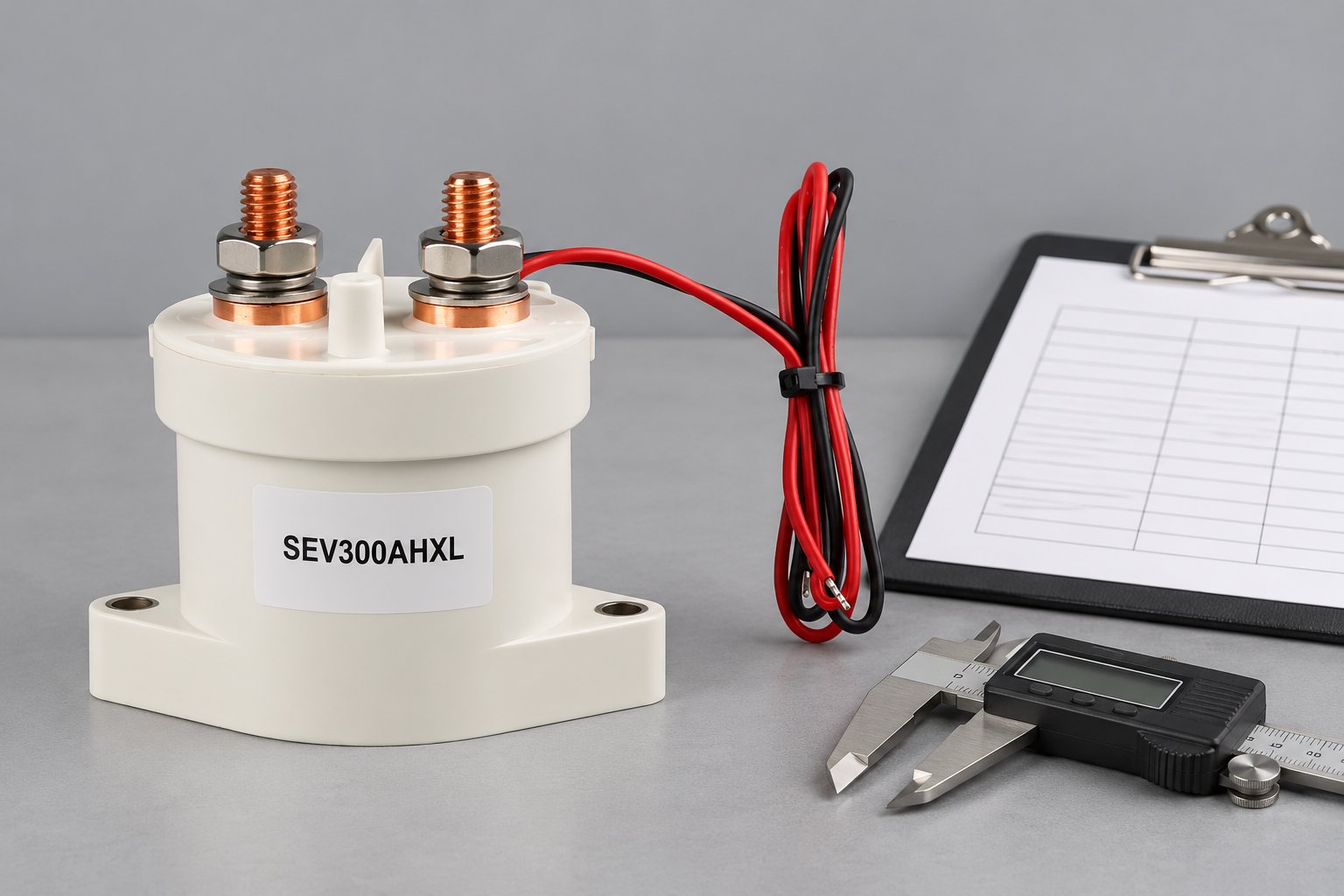
Record the full label text, product ordering code, coil option, contact arrangement and available lot or serial identification. Include clear photographs taken under safe conditions, with one view showing the entire unit and another showing the identification. Do not substitute a catalog family name for the marking on the actual returned device.
Link the purchase order, supplier invoice or delivery reference, received quantity, installation location and relevant dates. Preserve original identifiers when internal stock numbers differ. If several units are involved, give each an investigation identifier and connect it with the original markings. A statement that three units failed is incomplete when the records cannot show which three units are being assessed.
Write a timeline that preserves the first symptom
Describe the operating mode immediately before the event and the first observable change. Add controller faults, timestamps, requested contactor state and available feedback. Identify whether each item came from a saved log, an operator recollection or a direct measurement. An approximate recollection is still useful when it is labeled accurately.
List resets, part swaps, connector changes and tests in order after the first event. If a symptom changed following a modification, record that observation without treating it as proof of root cause. Keep the first-event record separate from later consequences. Attach original files where practical so a reviewer can distinguish a controller timestamp from an edited screenshot.
Describe the application beyond the current label
Provide the main-circuit voltage range, current-time profile, load type, current direction and intended making and breaking events from the available design records. Distinguish normal operation from any abnormal interruption. Carrying current and DC interruption duty are different questions, and a single current number does not describe the whole application.
Include coil supply, physical driver, suppression, feedback and control sequence. Record mounting orientation, conductor and terminal hardware, enclosure environment and relevant changes. State when information is unavailable rather than borrowing a value from another installation. The sample and RFQ record guide helps connect these application inputs with what was originally requested.
Use a checklist that separates facts from questions
This table is an example report structure, not a promise of coverage or a mandatory Sayoon return policy. Replace document references with the applicable order and agreed process. A reviewer should be able to see the original evidence, its limitation and the decision requested without reverse-engineering the email history.
| 確認 | 必要な証拠 | 決定または記録 |
|---|---|---|
| Identity | Actual label, lot or serial details and photographs | Link every unit to its order and installation location. |
| Commercial reference | Purchase and delivery records plus applicable terms | Ask for coverage review without assuming a fixed warranty period. |
| Application | Main duty, coil, driver, environment and drawing | State actual conditions and identify missing evidence. |
| First event | Timeline, original logs and operator observations | Separate measured records from recollection and hypotheses. |
| Subsequent work | Resets, tests, repairs and removed parts | Preserve the sequence and disclose changes to the evidence. |
| Assessment results | Approved method, conditions and instruments | Report results and limitations without a universal pass label. |
| Requested action | Technical review, return authorization or disposition | Name the contact and wait for the applicable written instructions. |
Preserve photographs and physical evidence
Photograph the as-found external condition before cleaning, tightening or disassembly changes it, after safe access is established. Include mounting, connected hardware and relevant surrounding components where permitted. Keep the files associated with the correct unit and date. A close-up of discoloration without location or scale may be difficult to interpret.
Do not open a sealed assembly, cut leads or remove identification merely to complete the report. Ask whether the supplier requires the unit, adjacent hardware or additional records to remain intact. Follow site requirements for contaminated or damaged components and retain removed parts under a clear status. Evidence preservation never overrides necessary action to make the equipment safe.
Include measurements only with a defensible method
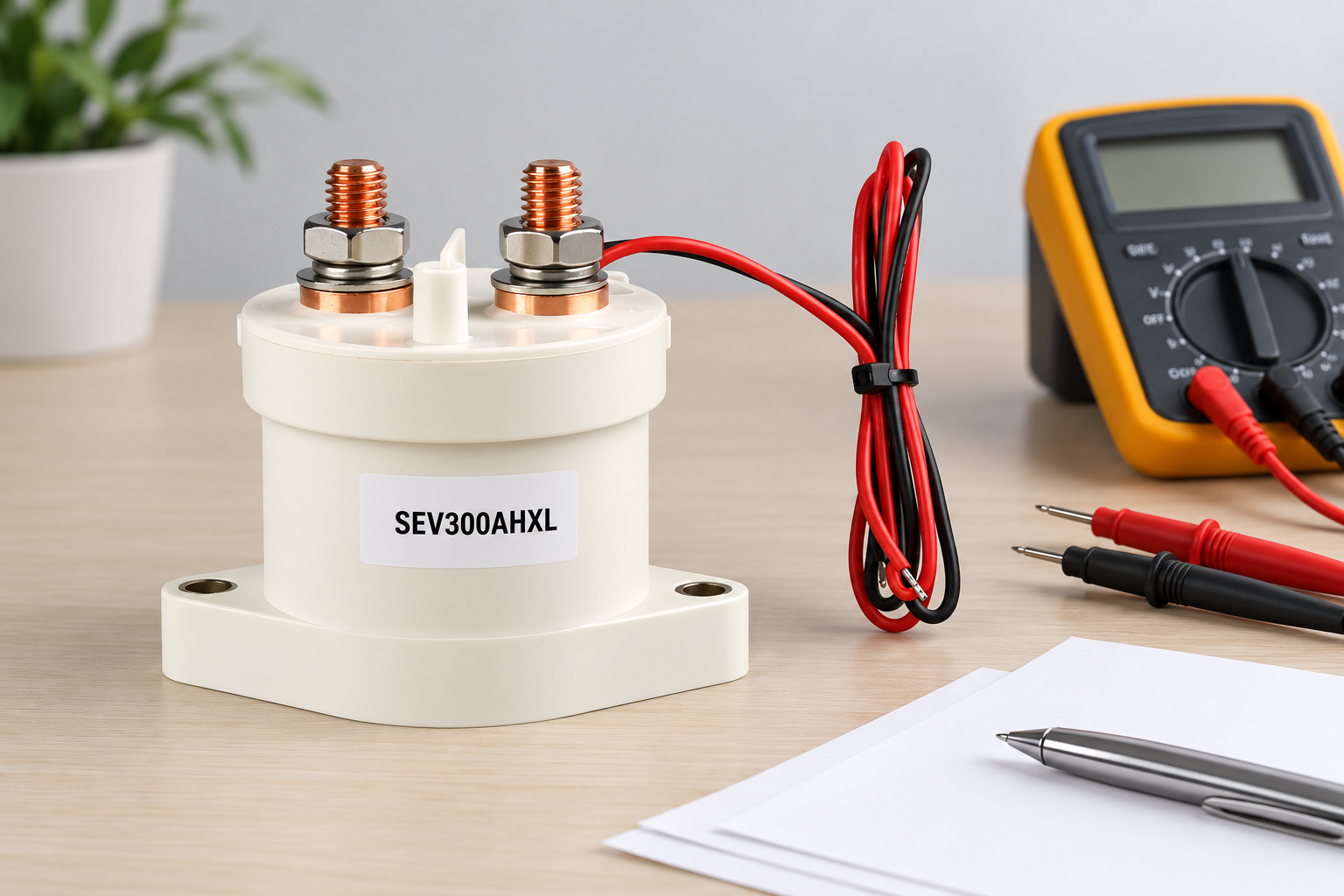
Report the quantity, setup, instrument, conditions and acceptance basis for any approved measurement. A resistance number without contact state, temperature or connection method can be ambiguous. A coil reading may not apply to a device with electronic control in the way the tester assumed. Record limitations before describing a result as normal or abnormal.
NISTの計量学的トレーサビリティに関するガイドライン helps frame the evidence behind measurement results. Calibration supports part of that evidence; it does not establish suitability of every setup. The テストレポートレビューチェックリスト addresses report scope and applicability. Do not conduct high-energy switching or fault tests simply to strengthen a commercial claim.
Avoid diagnosing from appearance alone
Describe the observed symptom before naming a cause: did not close when commanded, did not achieve the required open state, became intermittent or showed external damage. Then list the current hypotheses and the evidence needed to distinguish them. A discolored terminal does not by itself prove a production defect, incorrect assembly or overload.
A working replacement can help describe a changed outcome, but it does not automatically identify the original cause. If the original part is still available, retain it for the agreed assessment. Link related system events and earlier service records. The intermittent-operation guide provides a separate framework for comparing successful and unsuccessful cycles.
Obtain instructions before shipping a return
Confirm the return reference, recipient, requested documents and packaging instructions through the applicable supplier process. Do not assume that a general sales address is the correct analysis destination. State the number and identification of units to be shipped and keep a record of what was actually dispatched.
Use packaging suitable for the component and its documented condition, with terminals and leads protected against transit damage. Follow applicable site and carrier requirements. Preserve a copy of the report and dispatch record. A return package should not contain unrelated hazardous items or unrequested equipment simply because they were nearby when the contactor event occurred.
Make the investigation easy to continue
その SEV300AH 高電圧エポキシ樹脂シールDCコンタクタ shown here is an intact construction reference, not the device in a claim. Send Sayoon the exact identity and evidence package for the actual unit. Ask which additional information is needed and which next action is authorized; do not infer a supplier test method or commercial commitment from this checklist.
使用する DCコンタクタの選択の拠点 when a replacement application review is also required. Keep the failure investigation, replacement decision and coverage review connected but explicitly recorded. Update the report with findings and agreed actions while preserving the original observations, so a later reviewer can understand how the conclusion was reached.
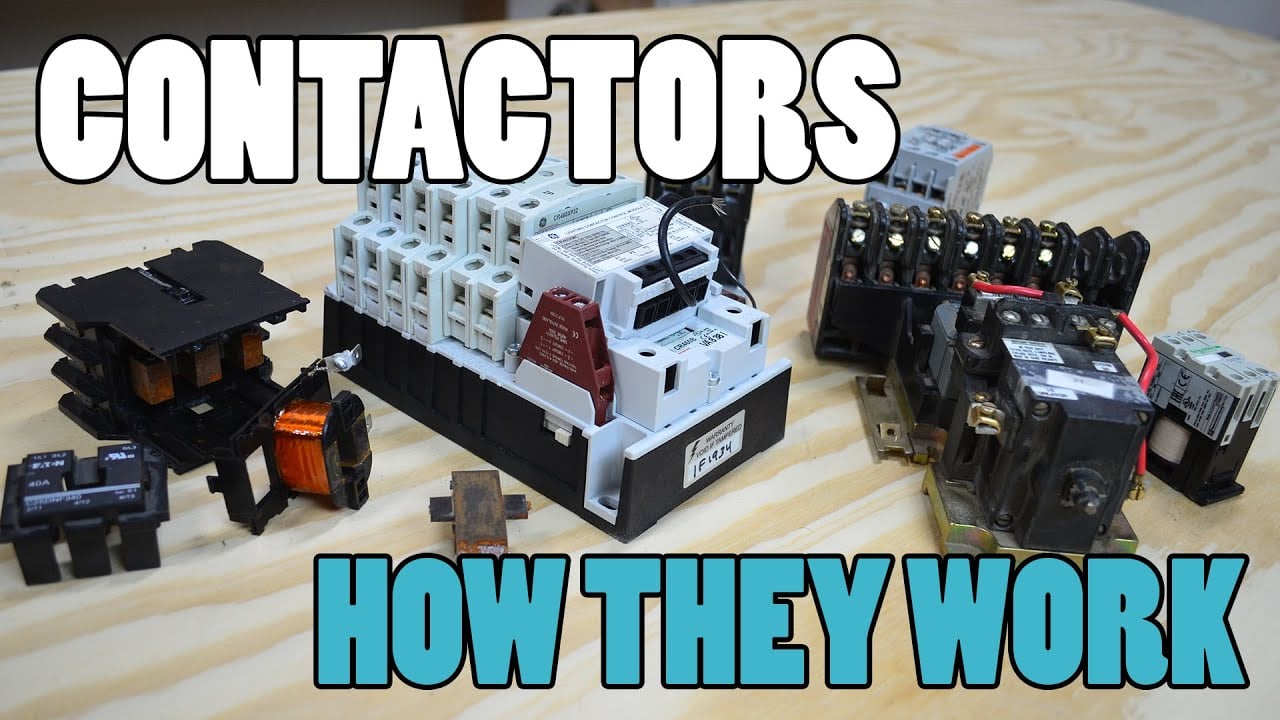
教育用動画:接触配置の理解
以下の「電気技師のU」の解説では、コイルがコンタクターの接点としてどのように機能するかを紹介しています。検査図面を読む前に、制御回路とメイン回路の違いを理解するために、この解説をお使いください。この解説は、テスト手順やイラスト付きのSayoonモデルの承認ではなく、一般的な教育を提供するものです。.
よくある質問
Does this checklist establish a Sayoon warranty period?
No. Coverage and terms depend on the applicable agreement and supplier review; no universal period or replacement promise is stated.
Should a sealed contactor be opened before a claim?
Do not assume permission. Preserve the unit and obtain the applicable assessment or return instructions.
Does replacing the contactor prove a manufacturing defect?
No. Record the changed outcome and investigate the original unit and system evidence before assigning a cause.
What if application data are missing?
Identify the missing information explicitly and ask which additional evidence is needed; do not invent operating values.