A DC motor cooling blower failure interlock should be assessed as a loss of the cooling condition required by the approved motor system. The DC contactor may be commanded to change state, but it does not measure cooling airflow or establish that the motor is cool enough to run. Identify the actual blower-status signal, the machine’s required response and the contactor’s observed state separately before deciding which component needs attention.
This guide applies to systems with a documented independent cooling arrangement. It supplies an investigation and procurement framework, not an airflow limit, universal delay or bypass instruction. Motor, blower, monitoring device and machine documents govern the installation. The Sayoon product photograph illustrates contactor construction only; it does not establish a cooling interlock rating or approval for any specific motor.
Confirm that the motor requires independent cooling
Begin with the motor identity and cooling instructions. Establish whether a separate blower is part of the approved arrangement and which operating conditions depend on it. Do not infer the cooling method from another motor’s appearance. A shaft-driven fan and an independently supplied blower can have different relationships with motor speed and machine operation.
Record the blower identity, its supply source and the documented cooling route. Include any filter, duct or other element specified by the motor system instructions. The DOE motor systems sourcebook supports reviewing equipment as a connected system. It does not provide the required airflow or permissible operation for this particular motor and blower combination.
Identify what the interlock actually monitors
A control system may receive information about an electrical command, blower operation or another defined cooling condition. These indications must be interpreted using the installed monitoring arrangement. A command for the blower to run is not automatically evidence that the required cooling condition exists. Read the exact diagnostic definition before calling a stop an airflow failure.
| 確認項目 | 収集すべき証拠 | 選択の示唆 |
|---|---|---|
| Cooling arrangement | Exact motor and independent blower instructions | Use the installed system requirements |
| Interlock signal | What the monitored input actually establishes | A run command is not cooling proof |
| Response | Documented start inhibit or stopping sequence | Do not invent a delay or bypass |
| 復元 | Required cooling and authorized restart conditions | Supply recovery is not release permission |
Document the signal source and the controller input that uses it. If the signal meaning is unclear, record that uncertainty and obtain the correct drawings. Avoid treating a generic running lamp as a substitute for a specified cooling confirmation. The investigation should establish what is actually known rather than assigning more meaning to the indication than its design supports.

Separate loss of cooling from motor temperature
Cooling availability and winding temperature are related but distinct information. A blower problem can require attention before a temperature alarm occurs, while a temperature alarm may involve other operating conditions. Do not use the absence of an overtemperature indication to override a documented cooling requirement.
Likewise, a motor that has cooled while stopped has not demonstrated that the blower arrangement is repaired. The maintenance record should distinguish the cooling defect, any thermal event and the required control response. This prevents a temporary temperature recovery from being mistaken for a completed correction of the underlying ventilation problem.
Preserve the sequence of events
Capture when the blower indication changed relative to the motor run command, contactor command and any protective stop. Record whether the issue occurred at startup, during operation or after a supply interruption. Include the original alarm wording and available logs before resetting the system. A time sequence helps distinguish an initiating event from a consequence of an intended shutdown.
Do not repeatedly run the motor without its required cooling to obtain a clearer symptom. Qualified personnel should use the approved isolation and inspection procedure. Record operator observations as observations, then identify the specific evidence needed to confirm each possible cause. An investigation can remain useful without creating a new hazardous test condition.
Review the cooling route within the maintenance instructions
After establishing the necessary safe state, inspect the cooling arrangement using the motor and blower instructions. The review may include accessible filters, ducts, intake clearance and visible damage where those items are part of the actual installation. Avoid transferring a cleaning interval or adjustment from an unrelated motor.
A blower that rotates does not by itself establish the required delivered cooling condition. The specified installation and acceptance checks determine what evidence is needed. Record which condition was checked and by what approved method. If current instructions are unavailable, obtain them rather than inventing a substitute acceptance value or returning the equipment to service on appearance alone.
Check the supply and control responsibilities separately
Identify the blower supply and the motor switching supply on the approved schematic. A loss of one source may affect the blower, controller and contactor differently. Do not assume that all devices become inactive together or that restoration of the main supply automatically restores the required operating permission.
The contactor’s role depends on the design. It may control the motor path or another designated connection; its own state does not explain why the blower indication changed. Keep supply restoration, cooling availability and motor restart permission as separate review items. This is especially important after maintenance has changed a connection or control setting.
Establish the required contactor behavior
Obtain the approved response to loss of the relevant cooling condition. The machine may need to inhibit a start, carry out a specified stopping sequence or take another documented action. Do not add a universal delay or command sequence based on a blog example. The responsible designer must define the response for the motor and driven equipment.
Compare that requirement with recorded command and response evidence. A controller output indicates an instruction, while the actual switching state requires the machine’s approved verification method. A click or a lamp alone cannot establish successful interruption of the intended path. Where response evidence is inconsistent, keep the switching investigation open independently of blower repairs.
Avoid bypassing the cooling permission
A cooling interlock is part of the documented operating arrangement. Bypassing it to keep production moving can conceal the condition the system is intended to detect. Do not bridge an input, force a controller state or copy another machine’s configuration as a troubleshooting shortcut. Follow the owner’s controlled investigation and change process.
If a signal is suspected to be wrong, investigate the monitoring chain under an authorized procedure. A false indication and a true cooling failure need different corrective actions, but both require evidence. The absence of visible motor damage is not proof that continued operation without the required cooling is acceptable.
Decide what purchasing information is needed
A blower enquiry needs the blower identity, motor cooling requirements and approved installation arrangement. A monitoring enquiry needs the signal definition and interface documentation. A contactor enquiry needs the exact model, coil supply, duty and observed switching problem. These requests should remain distinguishable even when one supplier helps coordinate the investigation.
Do not choose a replacement contactor solely because its current marking is higher. The device must match the application requirements defined by engineering. Product pictures can support physical identification, but they do not establish permitted load interruption, endurance or protective capability. Request current product information and preserve the original identity in the repair record.
cURL Too many subrequests by single Worker invocation. To configure this limit, refer to https://developers.cloudflare.com/workers/wrangler/configuration/#limits
cURL Too many subrequests by single Worker invocation. To configure this limit, refer to https://developers.cloudflare.com/workers/wrangler/configuration/#limits.
cURL Too many subrequests by single Worker invocation. To configure this limit, refer to https://developers.cloudflare.com/workers/wrangler/configuration/#limits.
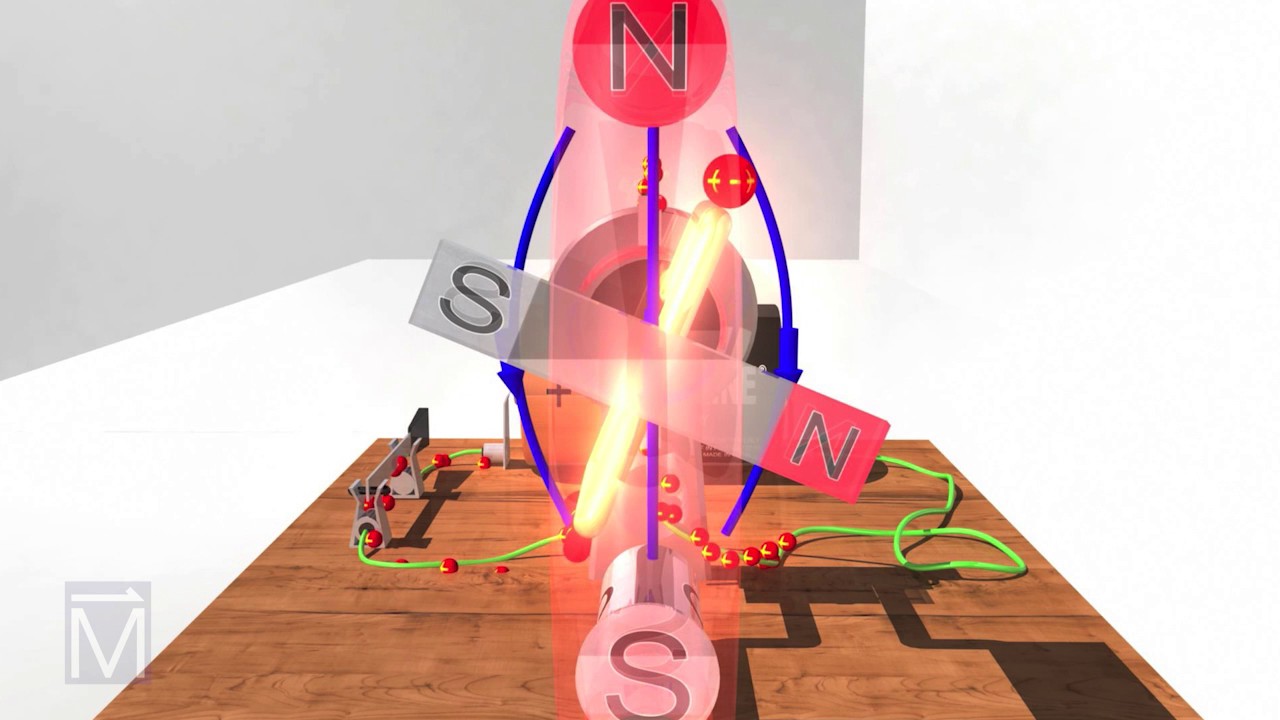
教育ビデオ
ナショナルMagLabは基本的な直流モーターの動作を説明します。これは物理的背景のみを提供し、過速度リミット、エンコーダの故障処理、ブロワーの要件、保護切り替えシーケンスを定義しません。.
よくある質問
稼働中のブロワーは十分なモーター冷却を証明しますか?
cURL Too many subrequests by single Worker invocation. To configure this limit, refer to https://developers.cloudflare.com/workers/wrangler/configuration/#limits.
モーターは温度アラームが表示されるまで動作できますか?
Do not substitute a temperature alarm for a documented cooling requirement. Use the actual motor and machine instructions for permitted operation and protective response.
cURL Too many subrequests by single Worker invocation. To configure this limit, refer to https://developers.cloudflare.com/workers/wrangler/configuration/#limits
No. Verify the required cooling condition, control indication and machine restart criteria through the approved procedure before returning the system to service.
cURL Too many subrequests by single Worker invocation. To configure this limit, refer to https://developers.cloudflare.com/workers/wrangler/configuration/#limits
Only an independently established switching defect supports that conclusion. Investigate the cooling condition and verify contactor response as separate evidence items.
製品ドキュメントと補助ガイド
使用する CZQH150A-2T外部構造参考 Sayoonと物理的配置について議論し、選定前に現在のアプリケーション固有のドキュメントを要求します。次のように始めてください DCコンタクタ選定ガイド. 補足的なテーマには DCコンタクタコイル温度上昇試験, 周囲温度がDCコンタクターの定格電流に与える影響, DCコンタクタが負荷下で開く理由.
主要な参照と範囲
これらの資料は、上記に記載された物理的またはアプリケーションの原理を支持しています。写真の接触器の評価、認証、または適用承認を確立するものではありません。.