When it comes to electrical systems, selecting the correct components is crucial for ensuring safety and functionality. A frequent question asked by technicians and DIY enthusiasts is whether it is possible to replace a 1 Pole Contactor with a 2 pole contactor. By the end of this guide, you’ll have a clear understanding of the distinctions between the two and whether conversion is a practical choice for your electrical setup.
What is a 1 Pole Contactor?
A 1 Pole Contactor, also known as a single-pole contactor, is a type of electromagnetic switch widely used for controlling electrical circuits. It is designed to open or close a single set of contacts within an electrical circuit. This allows a 1 Pole Contactor to regulate simple loads with reliability and efficiency. For instance, a 1 Pole Contactor 24v coil is frequently used for low-voltage appliances like HVAC systems, pool pumps, and small machinery.
Another common application for this device is in residential air conditioning systems, with a popular example being the 1 Pole Contactor 40 amp. These devices are engineered for handling specific amperage ratings and are ideal for low to moderate power applications, making them perfect for smaller systems with straightforward electrical needs.
How Does a 2 Pole Contactor Differ from a 1 Pole Contactor?
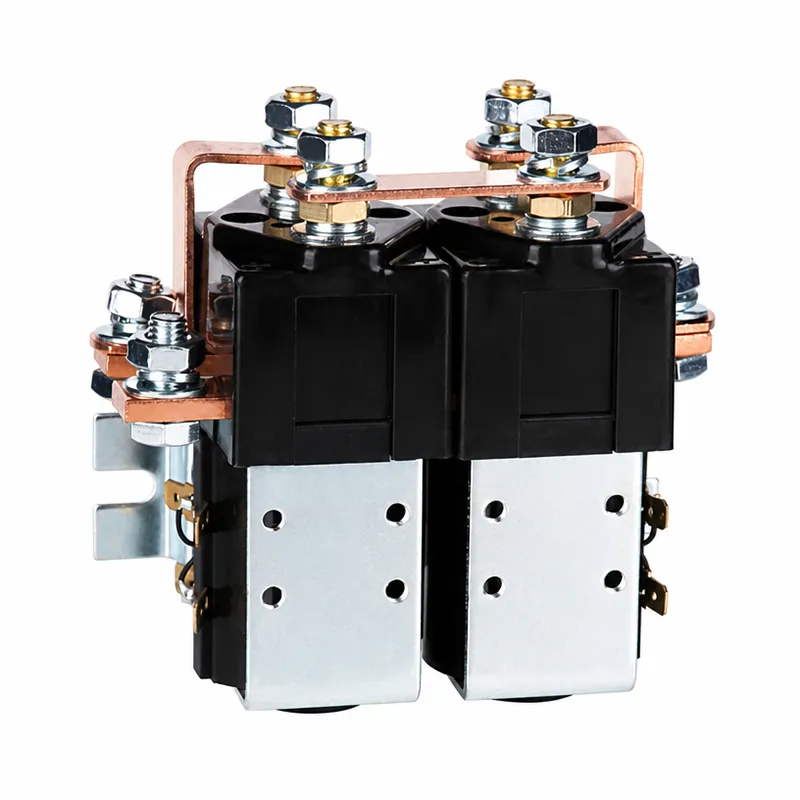
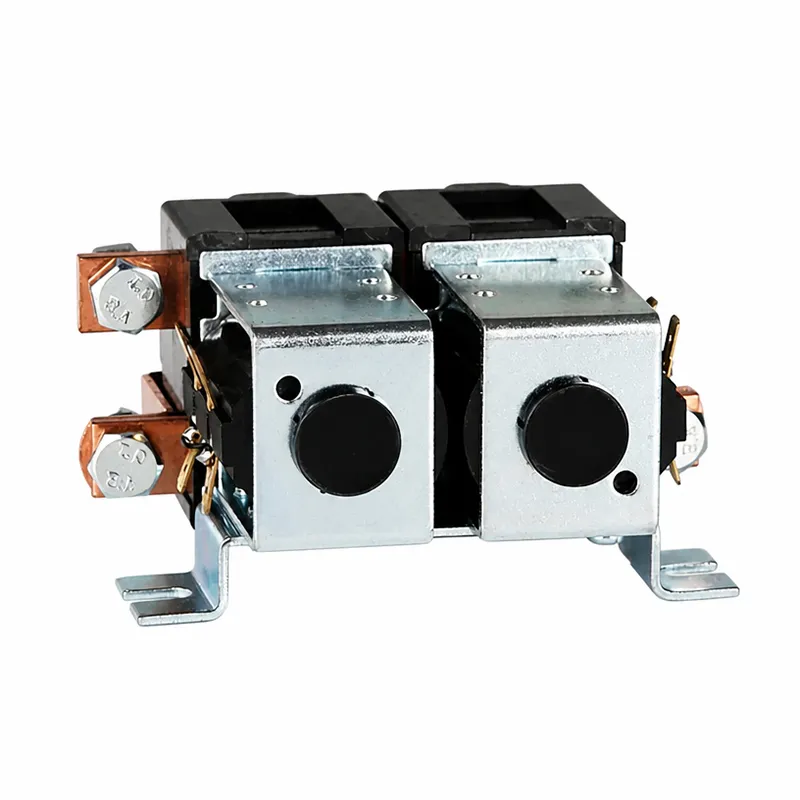
The primary difference between a 1 Pole Contactor and a 2 pole contactor lies in their structure and functionality. A 1 Pole Contactor has one set of load contacts and controls just one electrical circuit, whereas a 2 pole contactor is equipped with two sets of contacts to handle two separate circuits or a single two-phase system.
For example, if you are working with a larger load or a system that requires more advanced control, a 2 pole contactor might be the better choice. In contrast, a 1 Pole Contactor is typically sufficient for simpler applications where only one terminal of a circuit needs to be switched on or off.
Можно ли заменить однополюсный контактор двухполюсным?
The short answer is yes, you can replace a 1 Pole Contactor with a 2 pole contactor, but there are some considerations to keep in mind. A 2 pole contactor will have two sets of contacts to control two circuits, whereas the 1 Pole Contactor only controls one. Therefore, if your system only requires one contact to be switched, you can still use a 2 pole contactor by utilizing just one of its poles. However, this may result in additional complexity or cost without significant benefit unless future expansion or functionality is planned.
The most critical factor in making this switch is ensuring that the new 2 pole contactor matches or exceeds the electrical specifications of the original 1 Pole Contactor. This includes considerations like coil voltage (e.g., 1 Pole Contactor 24v coil) and the amp rating (e.g., 1 Pole Contactor 40 amp). If these specifications don’t align, making the switch could be unsafe for your system.
Factors to Consider Before Replacing a 1 Pole Contactor
Before making the change, take into account the following factors:
1. Electrical Requirements: Evaluate the voltage, amperage, and the overall load the contactor needs to handle. If a 2 pole unit is overkill for your application, sticking to a 1 Pole Contactor may be more appropriate.
2. Space and Compatibility: A 2 pole contactor might require more space for installation compared to a 1 pole contactor. Ensure that your system has enough room to accommodate the upgrade.
3. Future Expansion: If you expect to expand your system in the future, installing a 2 pole contactor now could save effort and cost later.
ЧЗВ
Q: What’s the main purpose of a 1 Pole Contactor?
A: The primary purpose of a 1 Pole Contactor is to control a single electrical circuit within a system. It’s often used in residential air conditioning units and other low-to-moderate power applications.
Q: Can I replace a single pole switch with a double pole switch?
A: It’s possible to replace a single pole switch with a double pole switch, but it depends on the requirements of your system. If only one circuit requires control, the upgrade is often unnecessary.
Q: Are there drawbacks to replacing a 1 Pole Contactor with a 2 pole contactor?
A: Yes, the drawbacks include increased cost and potentially more complex wiring. Ensure the 2 pole contactor matches your system’s electrical specifications if you choose to proceed with the replacement.
Q: Why might I use a 1 Pole Contactor instead of a 2 pole contactor?
A: A 1 Pole Contactor is simpler, more cost-effective, and takes up less space. If your system only requires control for one circuit, there’s no benefit in opting for a 2 pole configuration.
Заключение
Deciding whether to replace a 1 Pole Contactor with a 2 pole contactor depends on the specific demands of your electrical system. While the replacement is often feasible, it might not always be necessary unless additional functionalities or future scalability are required. Always ensure the replacement meets the same voltage and amperage ratings, such as a 1 Pole Contactor 24v coil or a 1 Pole Contactor 40 amp, to guarantee safety and efficiency. For complex scenarios, consulting with a certified electrician is always recommended.