Предмагнитный контактор в терминологии электромобилей — это контактор предварительного заряда (предзаряда): небольшой герметичный высоковольтный контактор постоянного тока, который замыкается первым через цепь предварительного заряда, чтобы емкость цепи постоянного тока заряжалась при контролируемом токе, и только после этого замыкается главный контактор, что ограничивает пусковой ток, который в противном случае привел бы к эрозии или свариванию главных контактов, причем выбор устройств проверяется на соответствие опубликованным данным эксплуатации серийных гибридных электромобилей.
Этот ознакомительный материал предназначен для инженеров по силовым установкам и системам управления батареями (BMS) электромобилей, которые столкнулись с этим термином в списках поставщиков и нуждаются в его соотнесении с реальным проектированием предварительного заряда. Семейство устройств, стоящее за ним на этом сайте, — это Серия высоковольтных контакторов постоянного тока HEV линию, и каждое утверждение модели ниже цитирует строку опубликованной таблицы.
Часть 1. Что означает предварительный магнитный контактор в терминологии предварительного заряда электромобилей?
Фраза предпусковой контактор появляется в глоссариях поставщиков и переведенных каталогах и сбивает команды с толку, поскольку термин «магнитный» также описывает фиксирующие архитектуры. В контексте предварительного заряда соответствие простое: это контактор предварительного заряда — небольшой контактор, который замыкается первым, до главной цепи.
SAYOON публикует эту карту на страницах своего приложения, где контактеры предварительного заряда указаны для управления предварительным зарядом перед подключением главной цепи. Поэтому рассматривайте этот термин как название роли в последовательности подключения, а не как отдельную технологию устройства.
| Термин, встречающийся в списках | Роль в электромобильной цепи | Где это опубликовано |
|---|---|---|
| Предварительный магнитный контактор / контактор предварительного заряда | Замыкается сначала через путь резистора для заряда звена постоянного тока | Маппинг продуктов на страницы решений |
| Главный контактор | Переносит тяговый или шинный ток после заряда | Артикулы основных цепей HEV / SEV |
| Магнитный контактор с фиксацией | Архитектура энергосбережения в режиме удержания, другая тема | Страницы семейства CZW-K |
Часть 2. Почему пусковой ток определяет конструкцию предварительного заряда в шинах постоянного тока электромобилей?
Входные каскады инверторов представляют собой большую разряженную емкость для батареи в момент подключения. Замыкание одного контактора непосредственно на эту нагрузку вызывает всплеск тока, ограничиваемый в основном сопротивлением контура, — классический емкостной пусковой ток проблема.
Полевые данные повторяют одно и то же: эрозия или сваривание главных контактов после многократных жестких замыканий. Цепь предварительного заряда сглаживает выброс напряжения, предварительно заряжая контур через резистор, поэтому главный контактор замыкается при небольшой разнице напряжений, а не на разряженный конденсатор.
| Факт дизайна | Последствие без предварительного заряда | Ответ на предварительную зарядку |
|---|---|---|
| Контур постоянного тока начинает разряжаться | Соедините контакты напряжений пиков | Зарядить ссылку до закрытия рынка |
| Пик ограничен только сопротивлением контура | Эрозия, сварка, ложные срабатывания | Ток заряда, ограниченный резистором |
| Повторные подключения в день | Кумулятивное контактное повреждение | Контролируемая, воспроизводимая последовательность |
Часть 3. Как работает предзарядный контактор по сравнению с основным контактором?
Рабочая схема представляет собой трехэтапную последовательность, управляемую системой управления батареей (BMS) или контроллером автомобиля. Детали порядка выполнения шагов описаны в режиме реального времени Основы последовательности подключения предварительного заряда и главного контактора руководство, поэтому эта статья сохраняет вид устройства.
- Замкните отрицательный главный контактор и контактор предварительного заряда; ток протекает через резистор предварительного заряда.
- Следите за напряжением на линии, пока не будет выполнено условие заряда контроллера.
- Замкните главный положительный контактор, затем разомкните цепь предварительного заряда, которая возвращается в исходное состояние.
Отсюда вытекают последствия для двух устройств. Контактор предварительного заряда испытывает меньший ток, ограниченный резистором, но должен соответствовать классу напряжения шины, и на каждый цикл подключения приходится одно срабатывание, поэтому данные о его заявленном ресурсе имеют такое же значение, как и его токовая характеристика. Различные режимы работы основных устройств сравниваются в Контактор для электромобилей против стандартного контактора постоянного тока.
Часть 4. Какие опубликованные характеристики гибридных электромобилей (HEV) имеют значение для предварительного заряда и пусковых токов?
Система кодирования HEV публикует классы контактного номинального напряжения 1 -200V; 7 -1000V, который является первым полем для сопоставления с шиной. Помимо этого, классы малых и средних автобусов публикуют ряды аудитов конструкции предварительного заряда.
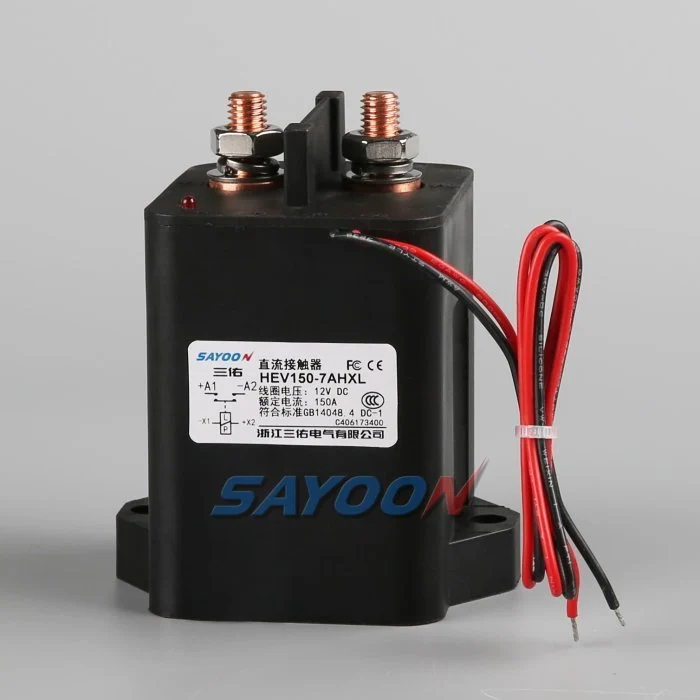
| Поле «Опубликовано» | HEV30 | HEV100 | HEV150 |
|---|---|---|---|
| Классы контактного напряжения | 200 В, 1000 В | 200 В, 1000 В | 200 В, 1000 В |
| Ток нагрузки (DC-1) | 30 А | 100 А | 150 А |
| Линия питания катушки | D: 3–7; H: Старт 3–7, Поддержание 0.5–1.5 | Д: 4–10; Ч: Старт 4–10, Поддержание 0,5–2 | Д: 4–10; Ч: Старт 4–10, Поддержание 0,5–2 |
| Время пускового тока (макс.) | 130 мс | 130 мс | 130 мс |
| Защита / окружающая среда | IP68 / от -40 до +85 °C | IP68 / от -40 до +85 °C | IP68 / от -40 до +85 °C |
| Электрический / механический ресурс | 20 000 / 300 000 раз | 20 000 / 300 000 раз | 20 000 / 300 000 раз |
Читайте строку времени пускового тока как опубликованную границу устройства для окон аномальных токов, а не как разрешение пропустить резистор. Сам профиль заряда является системным расчетом, за который отвечает проектировщик.
Часть 5. Какие коды опций относятся к предварительному заряду и емкостным нагрузкам?
Опубликованные таблицы следствий моделей содержат два кода опций, которые полезно знать при предварительной зарядке. Это строки кода, а не компоненты определенного размера, поэтому указывайте их исключительно как терминологию для заказа.
| Код опубликованного параметра | Где это появляется | Что написано на странице |
|---|---|---|
| R | Таблицы семейственных кодов CZW | С предварительно заряженным сопротивлением |
| V | Таблицы кодов HEV / SEV | С емкостной нагрузкой |
| N | Таблицы кодов HEV / SEV | Без полярности |
Дисциплина заказов соблюдается следующим образом: если проект предполагает любой из этих вариантов, в запросе предложений (RFQ) должен быть указан полный код, а также должен содержать запрос к инженерному отделу на подтверждение поставляемой конфигурации, поскольку в общедоступных таблицах коды указаны без значений резисторов или пределов емкости.
Часть 6. Какие модели SAYOON закрепляют запрос предложений на предварительный заряд в рамках направления HEV?
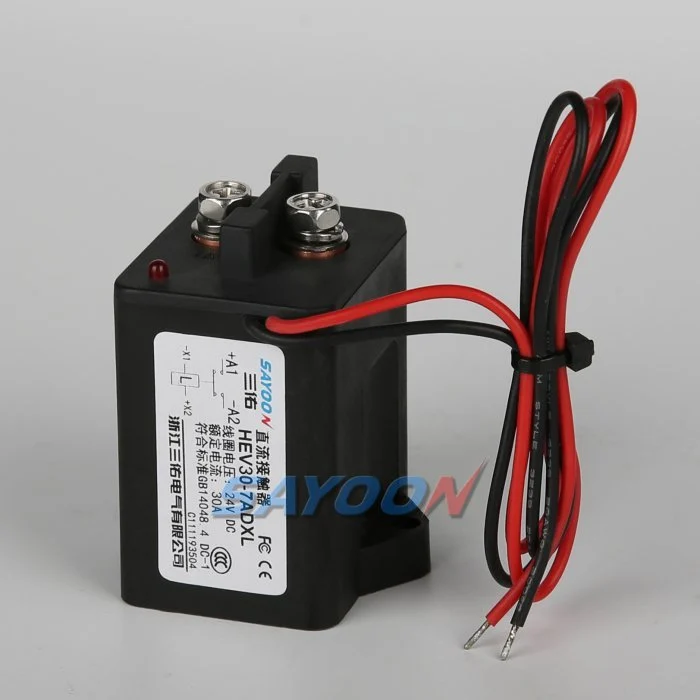
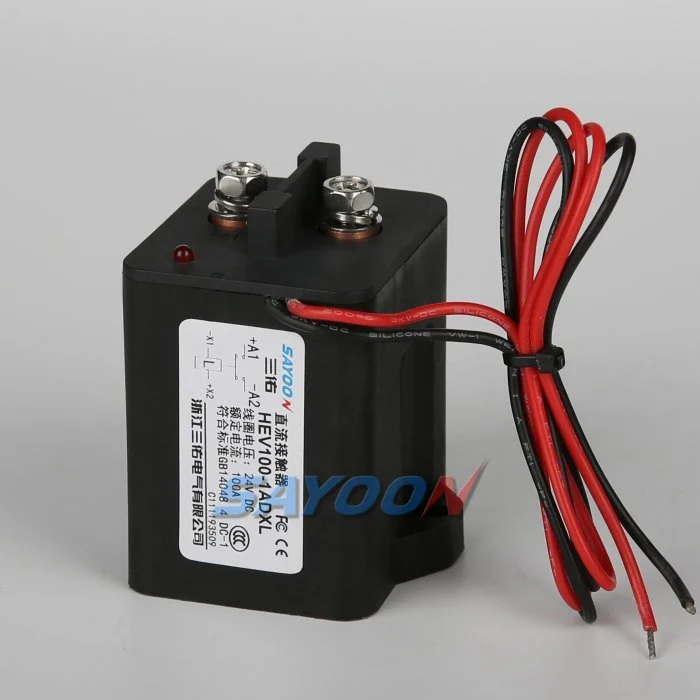
Рекомендация продукта: зафиксируйте ветвь предварительного заряда на Высоковольтный контактор постоянного тока HEV30, герметизированный эпоксидной смолой когда ветвь соответствует опубликованному классу DC-1 на 30 А, а шина соответствует опубликованному коду на 200 В или 1000 В. Соедините его с устройством основного пути, таким как Высоковольтный контактор постоянного тока HEV100 в эпоксидном герметичном корпусе проверенные по собственным строкам.
Почему бы не другие строки без отзыва: Классы HEV150 и более крупные в большинстве архитектур должны располагаться на основных путях, а не на ветвях предварительного заряда; коды SEV подходят для программ, стандартизированных на этом семействе; и ни для какого артикула (SKU) нельзя предполагать наличие внутреннего резистора предварительного заряда за пределами его опубликованной строки кода опции.
Подогнать по границе: предзарядный контактор не является основным тяговым устройством, не заменяет должным образом спроектированный предзарядный резистор и не применим за пределами своего заявленного класса напряжения и диапазонов тока. Более общая логика выбора цепи отключения находится в Выбор высоковольтного контактора для отключения аккумуляторной батареи.
Чтобы подтвердить сопряжение, отправьте свои заметки по шине постоянного тока и предварительному заряду с классом напряжения шины, емкостью, током ветви и предпочтениями для обмоток.
Часть 7. Какие ошибки в конструкции предзаряда повреждают пути постоянного тока электромобиля?
- Полный обход ветви предварительного заряда и жесткое подключение главного контактора к разряженному звену постоянного тока.
- Выбор устройства предварительного заряда только по току и упущение класса напряжения 200 В против 1000 В.
- Если код контактора с опцией R определяет сопротивление в омах и мощность в ваттах, в таблицах публикуются коды, а не значения.
- Игнорирование счетчика операций, который устройства предварительной зарядки накапливают при каждом цикле подключения.
- Рассмотрение опубликованного ряда пусковых токов как разрешения на удаление резистора.
- Оставление ветки предварительного заряда замкнутой параллельно основному пути после подключения.
- Повторное использование лексики магнитного удержания для режима предварительного заряда и выбор неправильной архитектуры.
Ссылки
Часто задаваемые вопросы
Что такое предварительный магнитный контактор?
Это список терминов для предзарядного контактора: небольшого контактора высоковольтного постоянного тока, который замыкается первым через резистивную цепь, чтобы емкость цепи постоянного тока зарядилась до того, как главный контактор подаст питание на шину.
Что делает предзарядный контактор в электромобиле?
Это ограничивает пусковой ток при подключении. Замыкание цепи через резистор предварительного заряда заряжает звено постоянного тока инвертора при контролируемом токе, поэтому главный контактор впоследствии замыкается при небольшой разности напряжений.
Что происходит, если предварительный заряд пропускается или завершается с ошибкой?
Главный контактор подключает разряженную емкость напрямую к батарее, и возникающий скачок напряжения разрушает или сваривает контакты при повторяющихся циклах — это наиболее распространенный сценарий отказа в полевых условиях по данной теме.
В чем разница между предварительным контактором (контактором предзаряда) и основным контактором?
Устройство предварительного заряда кратковременно проводит ток через резистор при более низком токе, но при полном классе напряжения шины; основное устройство пропускает непрерывный тяговый или шинный ток. Каждое из них проверяется по своим собственным опубликованным строкам.
Какие области HEV должен включать запрос цен (RFQ) на предварительный заряд?
Укажите код класса контактного напряжения (200 В или 1000 В), ток DC-1, линию питания катушки, ряд времени пускового тока, строки IP и температуры окружающей среды, а также показатели срока службы — всё со страницы конкретного артикула.
Публикует ли SAYOON значения предзарядных резисторов?
Нет. В общедоступных кодовых таблицах вариант R указан как с предзаряженным резистором, а вариант V — как с емкостной нагрузкой, без указания номиналов резисторов, поэтому в запросах предложений (RFQ) необходимо запрашивать у отдела инжиниринга подтверждение поставляемых конфигураций.
С чего на этом сайте следует начать формирование короткого списка устройств предварительного заряда для электромобилей?
Начните с опорной стойки серии HEV, сопоставьте опубликованный класс напряжения и строки тока, а затем отправьте данные о шине постоянного тока через страницу контактов для подтверждения.