DC contactor total cost of ownership combines the purchase price with qualification, installation, energy use, maintenance, replacement, inventory and end-of-life costs over a defined evaluation period. Compare only technically suitable alternatives and use the same operating assumptions for each. A cheaper unit is not economical if it requires costly enclosure changes, repeated validation or difficult field replacement. Build a transparent worksheet, distinguish measured inputs from estimates, and test how the decision changes when uncertain assumptions vary. The purpose is a defensible purchasing choice, not an unsupported claim that one contactor has a universal cost advantage.
Define a fair comparison boundary
Set the equipment function, service period, operating schedule and procurement quantity before comparing prices. Use a common boundary for every alternative: the same enclosure, application duty, maintenance access and required evidence. If one proposal includes hardware or documentation that another excludes, make that difference explicit rather than comparing the two headline unit prices.
Eliminate technically unsuitable candidates first. A low acquisition cost cannot compensate for missing DC interruption evidence or an incompatible control interface. Keep the technical approval decision separate from the economic comparison. Record the exact ordering code and evidence basis for each candidate so a later quote revision cannot silently change the product being evaluated.
Separate one-time engineering costs from recurring costs
List drawing review, qualification samples, fixtures, controller changes and installation tooling as one-time costs when that classification fits the project. List recurring assembly labor, consumables, energy and agreed inspection work separately. Some costs move between categories when volume changes, so document the assumption instead of forcing every item into a fixed template.
Allocate engineering cost over the relevant production quantity only when comparing unit economics. Keep the full project cost visible as well. A large production forecast can make a costly redesign appear cheap per unit, but the business still pays the initial amount. Show what happens if the realized quantity is smaller or the project ends earlier than expected.
Include installed cost rather than purchase price alone
Calculate the hardware and labor needed to install each candidate. Include the contactor, approved lugs, terminal protection, mounting components and any enclosure adjustment. Use the actual assembly method and supplier instructions. A physically larger device may add installation cost, while a different terminal arrangement may require new cable routing or a different production fixture.
Estimate labor using observed assembly work or a documented planning basis. Record whether the figure includes checking, testing and rework. Do not assume that every minute saved in a demonstration translates directly into annual savings. Confirm that the process can achieve the claimed improvement at the intended production volume and with the required quality controls.
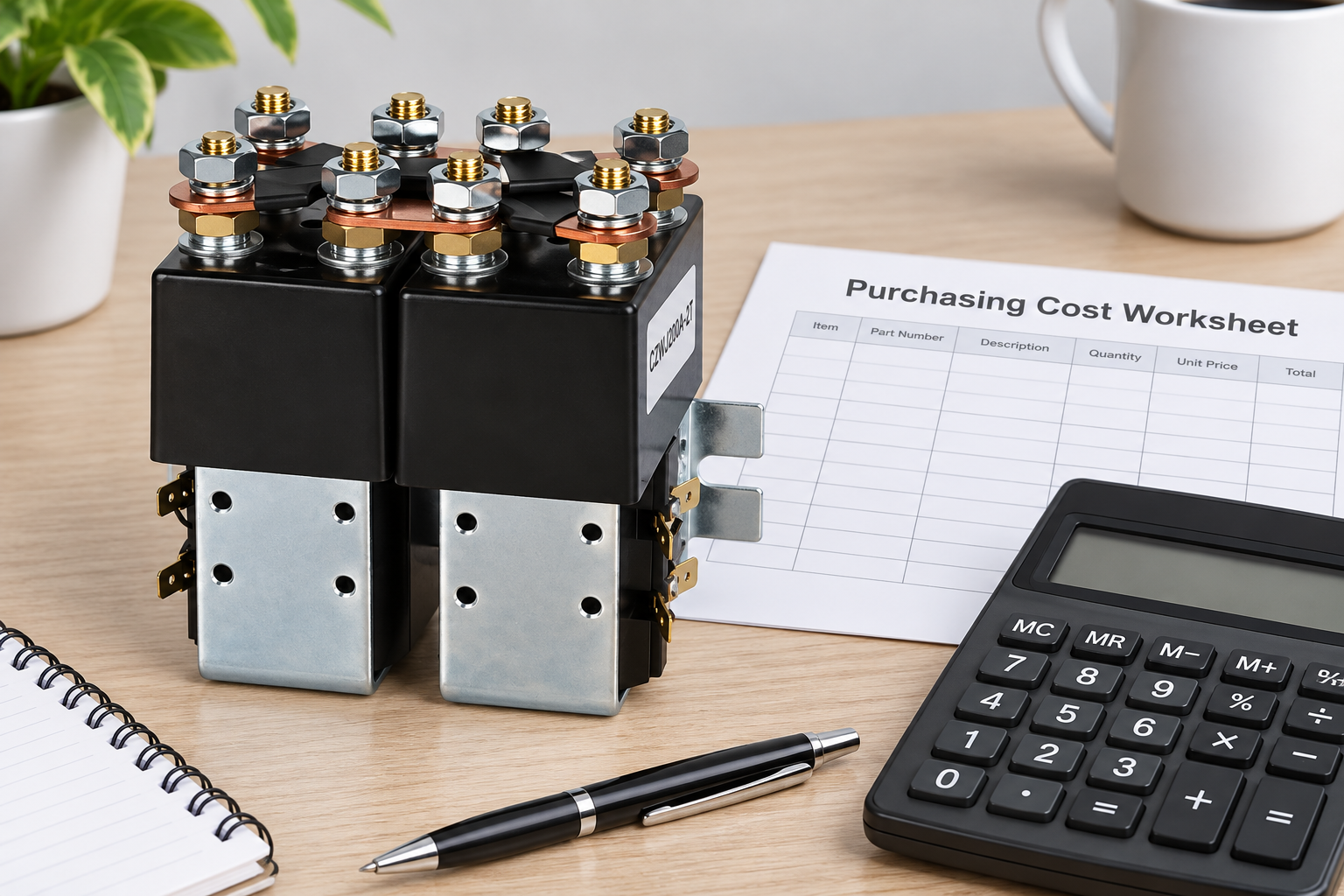
Estimate coil energy with the actual operating schedule
Use documented or measured coil power for the exact option and the time the coil operates in each state. Distinguish pickup, holding and any electronic control modes. A single nominal coil figure may not describe the full operating cycle. Record supply conditions and measurement method when using measured data, and account for the controller arrangement if it changes consumption.
For a simple constant-power state, energy in kilowatt-hours equals power in watts multiplied by hours, divided by one thousand. As a hypothetical illustration, a ten-watt holding state operating for two thousand hours uses twenty kilowatt-hours. These numbers are arithmetic inputs, not a Sayoon specification or a prediction for an actual machine. Use the project tariff and schedule for the cost calculation.
Treat main-contact losses as an evidence-dependent input
If contact conduction loss is material to the comparison, use applicable measurements or supplier evidence under the relevant load and temperature conditions. A resistance value without conditions may be unsuitable for predicting lifetime energy cost. Contact condition can also change with operation. Do not invent a constant resistance from a product photo or a generic family description.
For a simplified steady condition, resistive power loss follows current squared multiplied by resistance. The formula does not establish which resistance to use or whether the assumed condition represents the equipment. Include the time profile of the load and any measurement limits. If reliable data are unavailable, mark the energy term uncertain and test a reasonable, explicitly hypothetical range.
Create a transparent cost worksheet
NIST Handbook 135 explains life-cycle cost methodology for federal energy projects. It is useful background for defining a study period and consistent assumptions, but it does not provide DC contactor cost values or reliability predictions. Use your project inputs rather than importing building-specific parameters.
Эт Department of Energy acquisition training also discusses lifecycle purchasing. Treat that material as a framework for considering costs beyond acquisition. Your worksheet should identify each source, unit, time basis and uncertainty so another reviewer can reproduce the calculation without guessing what a cell represents.
Список контрольных критериев для рассмотрения
Этот качественный контрольный список организует процесс проверки проекта. Он не присваивает неофициальные оценки и не заменяет точные инструкции от поставщика. Записывайте каждое решение в соответствии с предложенным кодом заказа, условиями работы схемы и подтверждающими документами, а также укажите владельца для нерешенных вопросов.
| Проверить | Необходимые доказательства | Решение или отчет |
|---|---|---|
| Acquisition | Exact quote, quantity and included hardware | Compare the same commercial boundary and separate freight or taxes when necessary. |
| Инженерия | Review, samples, fixtures and validation work | Show one-time project costs and the quantity used for allocation. |
| Установка | Observed labor and required connection hardware | Include enclosure or cable changes caused by the exact variant. |
| Energy | Documented power states and operating schedule | State units, tariff and the limitations of any resistance or coil assumptions. |
| Поддержание работоспособности | Approved service plan and credible labor basis | Separate planned work from uncertain failure-response scenarios. |
| Inventory | Qualified spare quantity and supply terms | Include replenishment exposure without claiming unsupported interchangeability. |
| Sensitivity | Ranges for the inputs driving the decision | Report where the economic preference changes and retain assumption sources. |
Include maintenance and field replacement
List the planned inspection and replacement work supported by the equipment maintenance strategy. Include access time, qualified labor, isolation procedures and replacement parts when they belong in the study boundary. A small component price may be a minor part of a difficult field service visit. Do not assume that maintenance can be omitted because a supplier describes a construction as sealed.
Use credible maintenance history or the approved project plan. Separate a scheduled activity from a possible failure response. When comparing alternatives, avoid assigning one model an unsupported longer life simply because its housing appears stronger. Any claimed maintenance reduction needs applicable evidence and an explanation of whether the operating duty matches your equipment.
Make downtime assumptions visible
Downtime cost can dominate a comparison, but it is also easy to exaggerate. Define the event, affected equipment, expected duration and business consequence. Identify whether spare parts, remote diagnosis or a service contract reduces the recovery time. Use the customer’s operating context instead of a generic hourly loss copied from an unrelated industry.
Keep uncertain event frequencies separate from confirmed maintenance costs. Do not claim a manufacturer-specific failure rate without appropriate data. Show a range or scenarios when the evidence is limited, and state which assumption drives the decision. An economic worksheet should help reviewers understand risk rather than make every uncertain input look like a measured fact.
Account for inventory and supply arrangements
Include minimum order quantity, qualified spare stock, storage requirements and the cost of changing the approved source. A low quote may require more inventory or create a longer replenishment exposure. Compare the same delivery and payment boundary for both candidates. State whether freight, duties and taxes are included, excluded or treated separately.
Check the cost of maintaining more than one approved variant. Different terminals, coils or accessories can add purchasing and service complexity even if the devices serve similar functions. Avoid assuming that a visually similar spare is interchangeable. The economic benefit of commonality exists only when the technical review and record system support the proposed shared use.
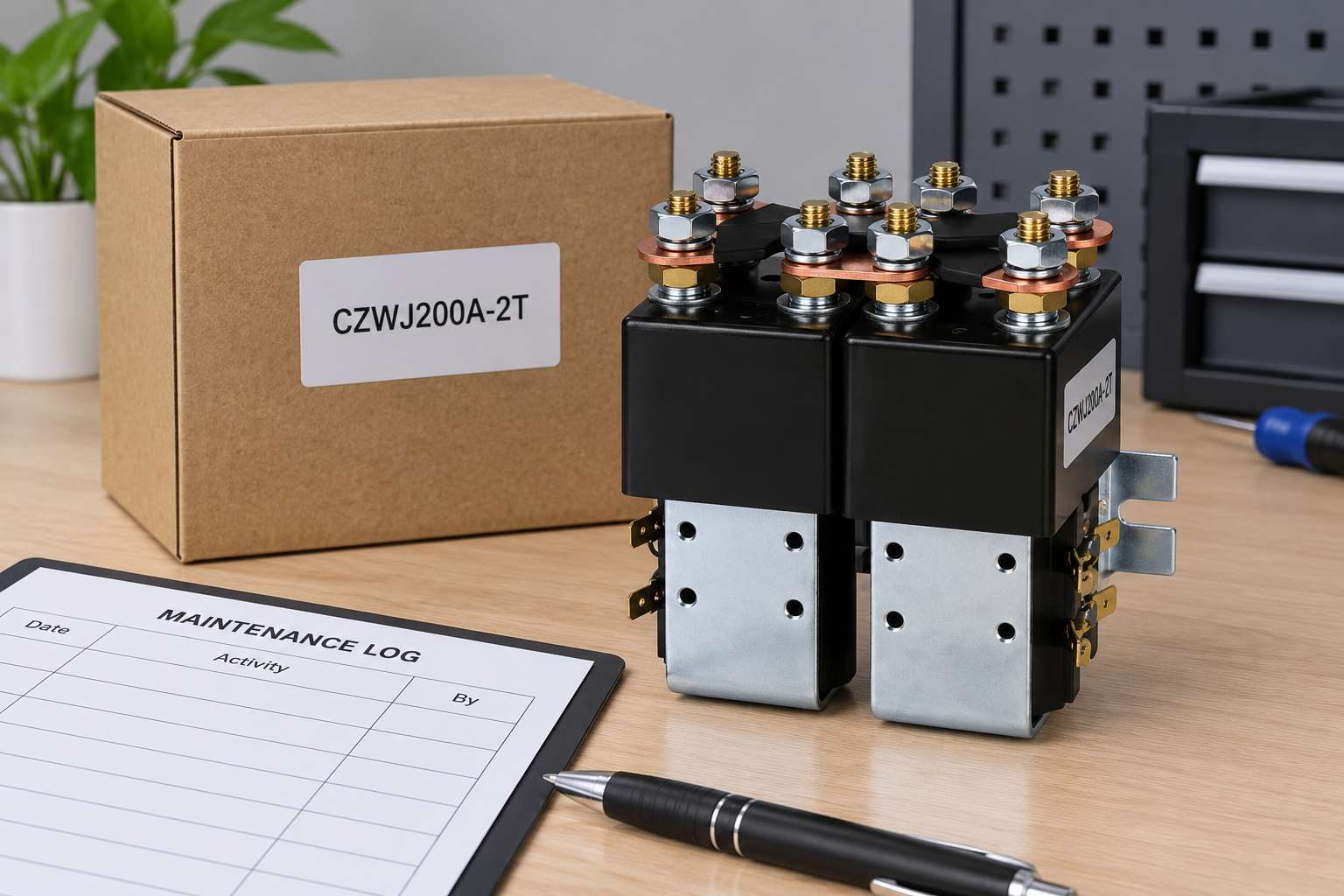
Use sensitivity checks before choosing
Calculate a base case, then vary the few uncertain inputs that materially affect the result: service period, production volume, operating hours, maintenance effort or recovery time. Use the same change for comparable assumptions across candidates. Report where the preferred option changes rather than hiding the sensitivity behind a single final cost number.
For a short study with costs at the same time basis, an undiscounted comparison may be a clearly labeled starting point. For costs spread over longer periods, use the organization’s approved discounting and escalation method. Keep real and nominal assumptions consistent. This article provides a worksheet structure, not financial advice, a prescribed discount rate or a guaranteed payback period.
Retain the evidence behind the purchasing decision
Attach quotations, variant documentation, labor observations, operating schedules and approved assumptions to the cost comparison. Record who accepted the technical scope and who approved the economic method. When a price or duty changes, update the affected inputs and retain the old version. A purchasing decision becomes difficult to defend when its supporting assumptions disappear.
State the final recommendation with its conditions: the chosen variant, study boundary, important uncertainties and required follow-up. A lower estimated total is meaningful only within that scope. If several alternatives remain close, availability, documentation and validation confidence may be more useful decision factors than a small difference in a speculative energy estimate.
Подготовьте целенаправленный запрос к Сайону
Эт Контактор постоянного тока CZWJ200A-2T 4NO это конструкторская документация, изображенная здесь. Снимок этого изделия не подтверждает его электрические характеристики, разрешение на применение или подходящую замену. Перед выбором варианта обратитесь к Сайону за текущей чертежной документацией, точным вариантом катушки, расположением контактов и соответствующими подтверждениями. Укажите требуемые характеристики и условия, чтобы ответ соответствовал реальной схеме.
Используйте Центр выбора контакторов DC организовать спецификацию заявки. Current-rating margin supports technical screening; sample validation defines the evidence needed before production. Include the unresolved questions and your acceptance method in the inquiry. A complete evidence request is more useful than a request for a visually similar unit or a generic claim that a model is equivalent.
Образовательное видео: отличить управляющие и основные схемы
The Electrician U explanation shows how coil control operates the main contacts. That distinction helps separate coil operating energy from load-current losses in the cost worksheet. It provides general education, not product power values, service-life evidence or a cost comparison. Obtain the exact variant data before assigning energy or maintenance inputs.
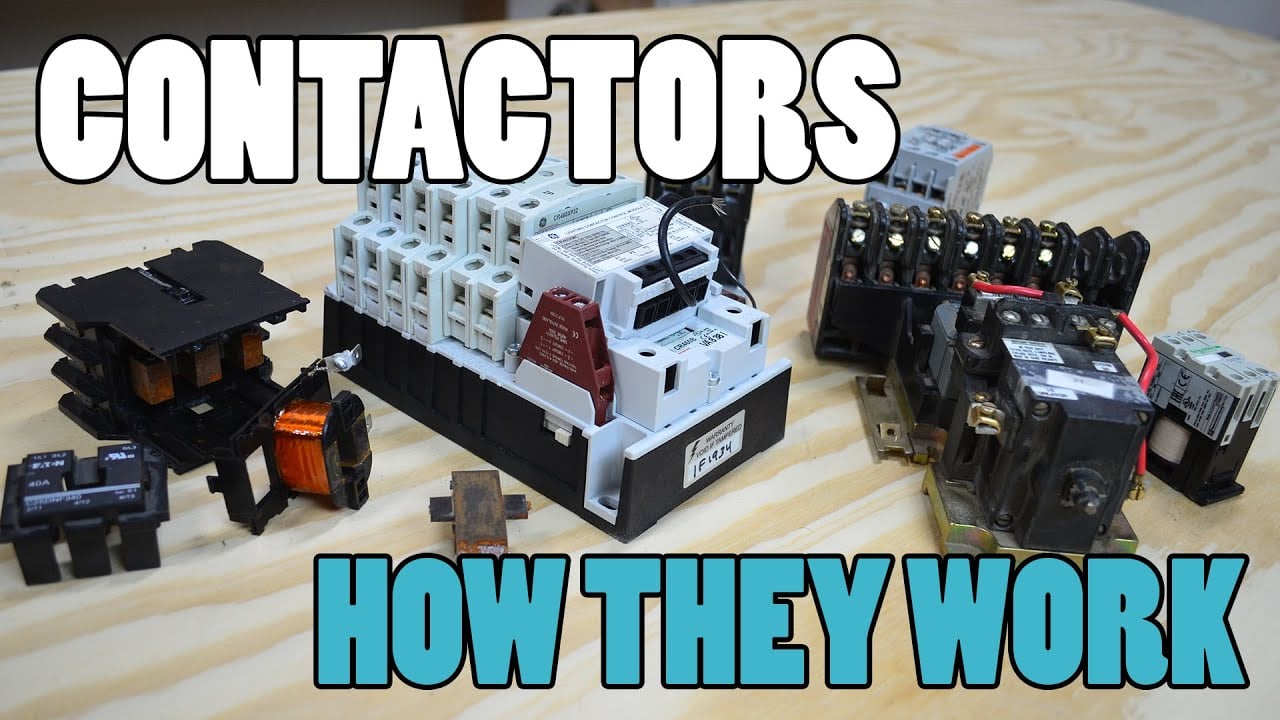
Посмотрите обучающее видео «Электрик У».
Часто задаваемые вопросы
Is total cost the same as unit purchase price?
No. Include the relevant engineering, installation, operating, maintenance, replacement and inventory costs within a defined study boundary.
Can a hypothetical energy example prove product savings?
No. It explains arithmetic only. Actual savings need applicable product data and an operating schedule.
Should unsuitable contactors enter the economic comparison?
No. Establish technical suitability before comparing lifecycle costs.
How should uncertain downtime cost be handled?
Use clearly labeled scenarios or ranges and show how they affect the decision, rather than claiming an unsupported failure rate.