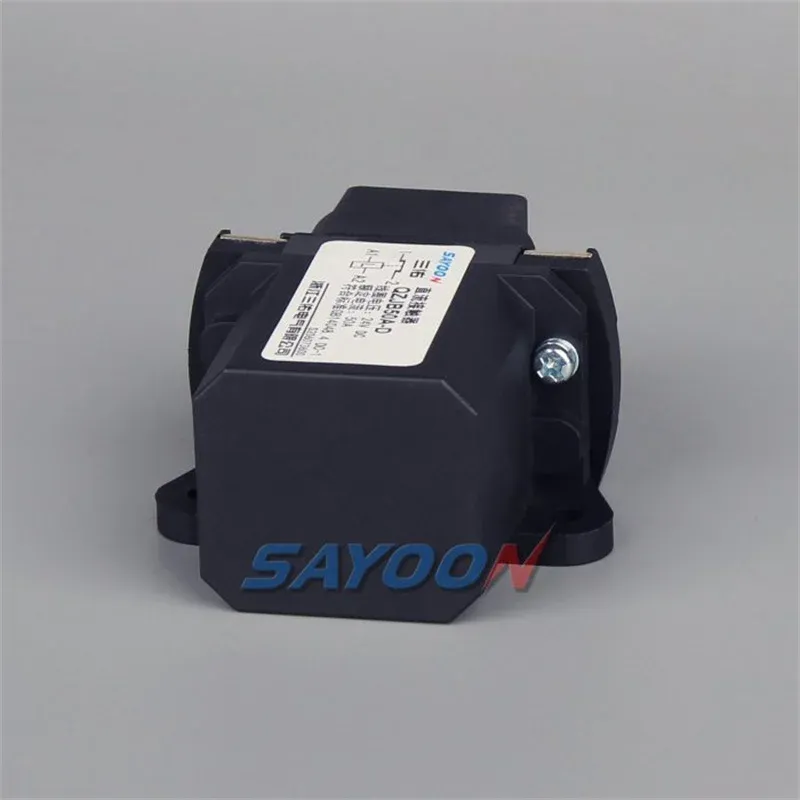
In an electrical circuit, a 50a contactor can control a high amperage load. It allows you to efficiently use various devices that draw high amounts of current and as a result provide some convenience. An electrician professional or DIY can especially benefit from learning about the 50 amp contactor characteristics and applications. This article will provide you with everything there is to know about: what is a 50 amp contactor, the main components of a 50 amp contactor, and where the best uses of a 50 amp contactor are.
What Is a 50A Contactor?
A 50a contactor is an electrically operated switch used to control the power supply to a variety of electrical devices. This type of 50a contactor is found in applications where reliable operation is required under heavy electrical loads. Typical applications for a 50a contactor include HVAC systems, motor control circuits and industrial automation systems.
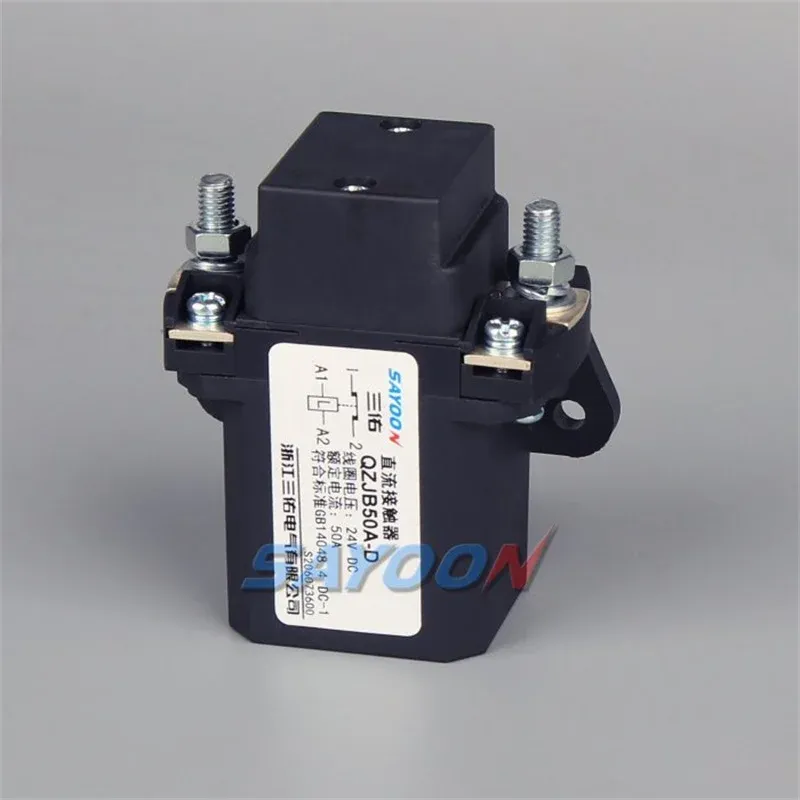
Key Features of a 50A Contactor
By understanding a 50A contactor’s features, you will be able to make better choices about which contactor to buy and how it will be used. Some important areas are as follows:
1. Current Rating: A 50a rated contactor (also known simply as a “50 amp contactor”) has been designed to operate with loads up to 50 amp (50 A) maximum and therefore would be appropriate for use in either medium- or high-power installations.
2. Coil Voltage: There are multiple coil voltage options for many different types of contactors (example: 50A contactors have a coil with 24 volts). Because of the wide variety of available coil voltages, you can choose from many different types of contactor based on the voltage that is used in your application.
3. Number of Poles: A 50A contactor 2 pole configuration is common, allowing control of both single-phase and three-phase systems. This feature makes it versatile for different electrical setups.
4. Insulation Class: The insulation ratings of contractors typically specify how much insulation they will provide for themselves and their customers when exposed to difficult conditions. This can result in greater durability and performance from contractors who have an insulation class rating that is greater than what is typical.
5. Auxiliary Contacts: The majority of 50A contactors also have normally open auxiliary contacts to signal or control other devices, making them functional in multiple system configurations.
What Is the Main Purpose of a 50A Contactor?
The main use of a 50A contactor is to automatically or remotely control electric loads. Usually these are controlled by a relay and/or switch; so they are able to control equipment and machinery safely and efficiently without having direct manual contacts with high voltage parts.
Common Applications of 50A Contactors
50A contactors are widely used in various applications. Here are a few notable examples:
1. Heating, Ventilation and Air Conditioning (HVAC) systems have contactors that will control the compressor and fan motors used in both heating and cooling systems.
2. Automation Systems: These are essential components of automated production lines, motor control panels, and other equipment that needs to switch large amounts of electricity.
3. Distributing electrical power via electrical systems used by residential and commercial construction, 50A contacters control the safe and effective distribution of electrical power.
Frequently Asked Questions
What are the features of a 50A contactor?
The 50A Contactor offers a current carrying capacity from the coil to the output contacts rated at 50 amps. The coil voltage can vary depending on application requirements, and there are options for additional poles (often two), high isolation ratings, and auxiliary contacts as required for additional functionality.
What are the key components of a contactor?
A contactor consists of a coil (for turning the circuit on or off), Main Contacts (that are used to carry the load) and Auxiliary Contacts (for signalling) to enable the operation of reliable electrical control circuits through these components working together.
What is the main purpose of a contactor?
The primary purpose of these devices is to provide remote or automated control over major electrical loads, while ensuring their safe and efficient operation.
In summary, understanding a 50A contactor—its features, applications, and components—can greatly aid in making informed decisions for electrical installations and repairs. Its reliability in managing high-current loads makes it an essential device in both residential and industrial setups.