DC contactor application context is the project information that gives an OEM enquiry meaning. Describe the equipment role, circuit function, command condition, installed-device or drawing evidence, and the exact question that needs review before asking a supplier to consider a product family.
This approach prevents a broad use case such as “vehicle,” “energy storage,” or “industrial equipment” from being mistaken for a complete contactor requirement. Application context is a structured input to review, not a substitute for the circuit evidence or product documentation.
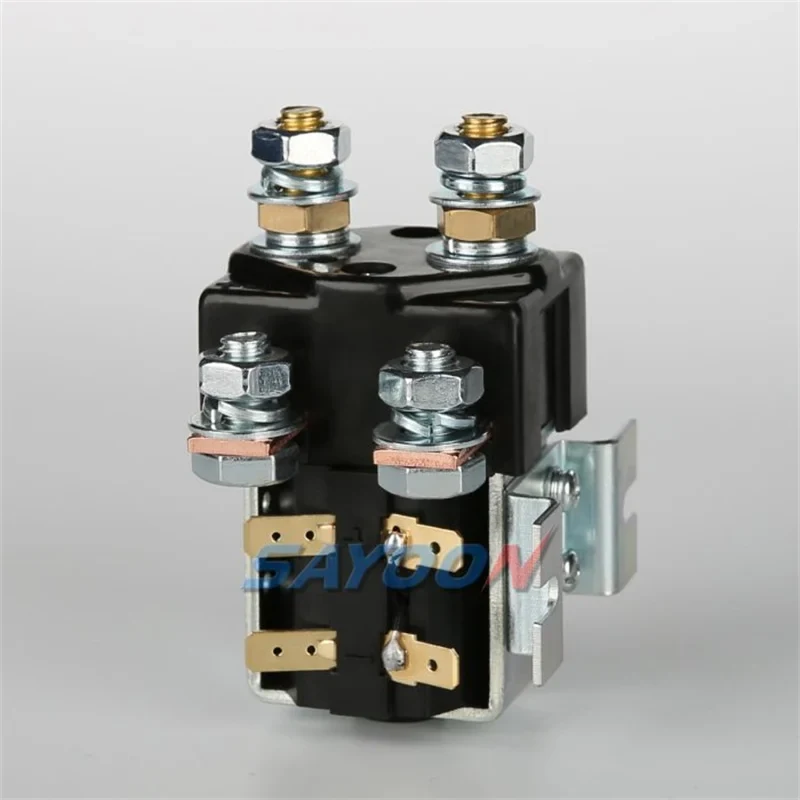
Part 1. What is application context in an OEM enquiry?
Application context explains where the contactor sits in the project and what the associated circuit is expected to do. It can include the equipment role, circuit location, expected command sequence, connected application, installed-device reference, and the specific review question.
Before gathering information from equipment, use the approved site process for isolation, verification, and authorized work. OSHA sources give the general energy-control and electrical-work boundary; site procedures control what may be observed or recorded. (OSHA energy control, OSHA electrical work practices)
Important: Do not alter wiring, bypass an interlock, or create repeat commands solely to complete an enquiry description. Use the approved site process first. Source: OSHA electrical work practices.
Part 2. Which project facts should be stated first?
Start with facts that identify the actual project instead of describing a product preference. State the equipment role, the location of the circuit, the required action being reviewed, and which project document or approved record supports each statement.
| Project fact | Record with it | Why it helps |
|---|---|---|
| Equipment role | System identifier and plain-language function | Shows where the enquiry belongs. |
| Circuit location | Drawing reference and installation position | Links the request to an actual path. |
| Required action | Command or control context as documented | Defines the engineering question. |
| Evidence source | Drawing, labelled image, or approved event record | Makes the description traceable. |
Avoid combining several applications into one generic phrase. A supplier review needs the relevant circuit context, not an assumption that all equipment in one sector uses the same contactor function.
Part 3. How does circuit role change the enquiry?
Describe the circuit role before discussing a product family. Explain whether the question concerns a main path, a control-related function, or another documented role in the assembly, and identify the command or system state that made the review necessary.
For a specific installed main path, the main-circuit record guide provides a separate evidence format. For a control path, use the control-circuit handover guide. These topics are related, but each needs its own documented context.
Part 4. Which evidence links context to the installed equipment?
Connect the application description to the actual drawing, device marking, equipment location, and approved observation source. This creates a path from the broad project description to evidence a reviewer can check.
| Context statement | Pair it with | Do not infer |
|---|---|---|
| The contactor supports a named equipment function | Drawing location and circuit role | A model or rating requirement. |
| A command event prompted review | Event source and sequence context | A complete fault cause. |
| A device is installed in a project | Visible marking and location | Its exact suitability for another project. |
| An application uses DC switching | Required function and documentation | A universal product family fit. |
The EV HVAC circuit review is a focused example of describing one application before selection. It should not be generalized to other installations.
Part 5. What should not be inferred from an application label?
Do not infer ratings, certification scope, switching performance, availability, or compatibility from an application label. Words such as “EV,” “BESS,” “industrial,” or “marine” describe a project context, but they do not supply every electrical, mechanical, control, or documentation requirement.
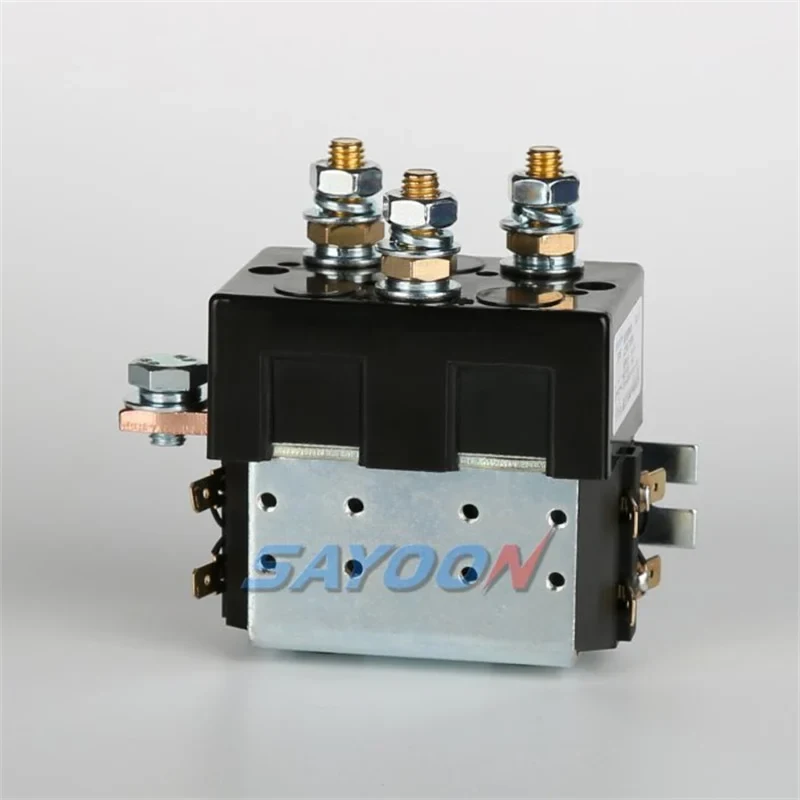
Likewise, a product image can help identify a visible item but cannot establish whether it performs the required role in another system. Preserve the application context alongside the evidence that defines the actual enquiry.
Part 6. When is the context incomplete?
Request more context when the equipment role is vague, the circuit location is unknown, the required action has not been stated, the evidence source is missing, or the review question is only “which model should we use?” A complete enquiry tells the reviewer what must be confirmed and why.
Use the application label to begin a discussion, not to select a model. Gather the required circuit and product documentation before asking for a product decision.
Part 7. How should the enquiry move to a product review?
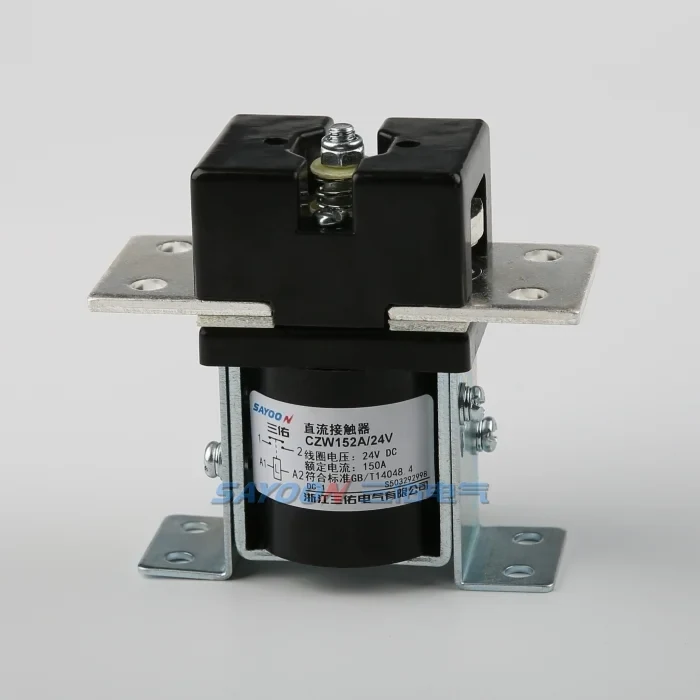
After the application context is complete, SAYOON’s DC contactor product range can support product-family discovery. The CZW DC contactor line and SZJ DC contactor line are available as later review destinations; neither link recommends a particular model.
| RFQ input / Buyer should provide | Why it matters | Avoid this shortcut |
|---|---|---|
| Equipment role and project reference | Locates the enquiry in the project | Naming only an industry sector. |
| Circuit role and drawing location | Defines the function to be reviewed | Sending a product photo alone. |
| Command or event context | Explains why the enquiry was raised | Assuming a generic operating sequence. |
| Device evidence and open question | Lets the reviewer request the right documents | Asking for a model from a use case label. |
When those inputs are ready, send the application context for review with the supporting project information.
FAQ
What is application context for a DC contactor?
It is the project description that identifies the equipment role, circuit function, command or event context, evidence source, and the question that needs review.
Does a use case select the product?
No. A use case is one enquiry input. Final product review requires the actual circuit requirements and exact product documentation.
Why include a circuit drawing?
The drawing links the application statement to a specific circuit location, terminal references, and intended function in the installed project.
Should the command condition be described?
Yes, when it is available from approved records. It explains the context of the review without asserting that a particular cause has been proven.
Can a model be selected from a product image?
No. A product image may identify an item, but it does not establish requirements or compatibility for another application.
What should be included with the RFQ?
Include with the RFQ the equipment role, project reference, circuit role, drawing location, command or event context, device evidence, application description, and open review question.
References
- OSHA energy-control requirements frame the approved work boundary cited in Part 1.
- OSHA electrical work-practice requirements support the inspection caution in the same section.