A DC contactor coil insulation thermal class describes a thermal-endurance designation within a defined evaluation scope. It does not, by itself, state the permitted ambient temperature, surface temperature, coil temperature rise or complete application rating of the contactor. Begin by asking whether the claim covers an insulating material or the complete electrical insulation system, and which exact coil construction it represents. Then review the supporting documentation and the manufacturer’s operating limits. For buyers, the useful question is not simply which class is highest, but whether the documented insulation evidence and the complete contactor ratings cover the intended operating conditions.
Establish what the supplier is claiming
The phrase insulation class is often copied into purchasing documents without defining the object it describes. A winding-wire material designation, a coil assembly statement and an insulation-system evaluation are different pieces of evidence. Ask the supplier to identify the claim precisely before comparing two products. Record the model, coil option, construction revision and document reference alongside the designation.
IEC 60085 distinguishes the thermal classification of insulating materials from that of insulation systems. Its public scope describes thermal-endurance evaluation and designation where thermal ageing is dominant. That distinction supports a careful procurement question; it does not establish that the pictured product has any particular class. Do not convert a standard’s existence or a generic catalogue phrase into a product compliance claim without the applicable supplier evidence.
Separate a material from the assembled insulation system
A coil can involve more than one insulating material and more than one manufacturing process. The relationship among the materials, the construction and the stresses matters to the completed assembly. Evidence concerning one material should therefore retain its original scope. A buyer should not silently relabel it as evidence for every part of the finished contactor.
This matters when purchasing teams receive a wire datasheet as the answer to a question about the complete coil. The datasheet may be relevant supporting information, but ask how it relates to the actual winding, other insulation elements and production construction. Keep that relationship explicit in the approval record. If the supplier cannot yet provide the requested system evidence, mark the question as unresolved rather than choosing the most favorable interpretation of an ambiguous document.

Keep thermal class separate from operating temperature limits
A thermal designation is not a universal permission to run a contactor at that temperature. The finished device has other considerations, including its magnetic system, terminals, contacts, enclosure, mounting and specified operating environment. Use the manufacturer’s permitted ambient conditions and duty requirements for the actual model. Do not derive a permissible cabinet temperature by subtracting an assumed temperature rise from a class number.
Likewise, a cool external case does not prove every internal insulation location is within its limit. The relationship between a measured point and an internal hot spot depends on the design and the approved method. If temperature evidence is required, ask which measurement procedure and acceptance criterion apply. Avoid publishing a generic limit based on an infrared image, a hand-touch assessment or a value taken from a different coil option.
Describe the installed duty before requesting approval
The supplier needs more than a class label to assess an application. Describe the control-supply range, expected energized periods, switching sequence, ambient conditions and mounting arrangement. Include whether the equipment uses suppression or an integrated driver and whether nearby heat sources or restricted airflow affect the installation. These are application inputs to review, not proof that the contactor is suitable.
Where the equipment experiences repeated starts or long energized periods, state those conditions plainly. Do not assume a coil described as DC is automatically suitable for every continuous or intermittent duty. Ask for the permitted duty and any required operating restrictions for the exact assembly. A written response tied to the intended conditions is more useful than a higher class designation with no corresponding application information.
Organize the document review around scope
| Review item | Evidence to collect | Selection implication |
|---|---|---|
| Claim identity | Material or complete insulation system | Do not expand the stated scope |
| Product identity | Model, coil option and construction revision | Connect evidence to delivered supply |
| Operating limits | Ambient, duty and installed conditions | Class does not establish application temperature |
| Disposition | Responsible approval and unresolved evidence | Keep assumptions and restrictions explicit |
Use the table to assign a responsible owner and a disposition for each open item. Some questions belong to the contactor supplier, while others belong to the equipment designer or the organization approving the installation. Keeping those responsibilities visible prevents a supplier material statement from being treated as approval of the entire cabinet or machine. It also avoids rejecting relevant evidence simply because it answers a narrower question than the buyer originally intended.
Read evaluation evidence without inventing a lifetime
IEC 60505 addresses the evaluation and qualification of electrical insulation systems under electrical, thermal, mechanical, environmental and combined stresses. Its public description supports the need to consider the applicable evaluation scope. It does not provide a ready-made service-life promise for an arbitrary contactor in an arbitrary cabinet. A document referring to the standard still needs to identify the system, method and conclusion actually covered.
Do not apply a generic temperature-versus-life rule to create a warranty period or replacement interval for the product. Such a prediction requires a justified model and supporting data for the actual insulation system and conditions. A procurement article can explain why the evidence matters without publishing unsupported hours of life. In an approval review, record whether a lifetime claim is a supplier statement, a project requirement or an independently justified conclusion.
Check document identity and revision
A report becomes less useful if its sample cannot be connected to the delivered product. Compare the reported model, coil construction, material identifiers where provided and document revision with the proposed supply. A similar family name or external appearance is not enough to establish equivalence. Ask whether the submitted evidence covers the particular variant or whether additional qualification or engineering justification is needed.
Changes deserve the same attention. If a winding material, process or insulation component changes, determine whether the supporting evaluation remains applicable. Do not assume either that every minor revision requires complete retesting or that every revision is automatically covered. Request the supplier’s documented assessment and let the responsible approval process decide whether further evidence is necessary for the project.
Distinguish inspection from qualification
Incoming inspection can confirm identity, document availability and other approved routine checks. It cannot recreate a long-term insulation-system evaluation merely by measuring coil resistance or checking that the contactor operates once. Keep the purpose of each test clear. A routine functional result can support acceptance under its approved specification without proving every aspect of thermal endurance.
The same distinction applies to maintenance observations. A changed odor, discoloration or abnormal operation may justify removing equipment from service under the site’s procedure and investigating the cause. Those observations do not identify a thermal class or prove the precise ageing mechanism. Record the symptoms and operating history, preserve the part where appropriate and obtain the manufacturer’s inspection advice rather than assigning a class from appearance.
Compare replacement candidates using the whole requirement
When two candidates claim different thermal designations, compare their documentation scope before ranking them. Then compare the complete application requirements: control supply, duty, environment, main-circuit switching conditions, mounting and relevant response characteristics. A higher insulation designation does not automatically make an otherwise incompatible contactor an acceptable replacement.
For example, a proposed unit may have relevant insulation evidence but a different coil-control configuration or unsupported load-switching duty. Those are separate open issues. Treat the replacement as acceptable only when the complete approved specification is met. Keep the thermal evidence as one field in that decision, alongside the other verified requirements, instead of allowing a single label to override a missing rating or unresolved installation constraint.
Prepare a focused request for Sayoon
Identify the required product and coil option, the intended operating conditions and the exact document question. Ask whether the stated designation refers to material or system, which construction it covers and what supporting evaluation can be supplied. Request the operating limits and any restrictions separately. This lets the supplier respond to a specific evidence request without implying an unsupported certification.
The product shown in this article illustrates external construction only. Its image does not disclose the internal insulation system or establish a thermal class. Do not use a nameplate photograph, a stock illustration or the model’s current designation to fill a missing insulation field. If a project requires a particular qualification, include it in the inquiry and wait for the applicable written evidence before approving the item.
Close the review with traceable conditions
An approval record should identify the accepted product revision, the supporting documents, the operating assumptions and the remaining restrictions. If the thermal-class question remains unresolved, say so explicitly and assign the next action. A clear pending item is more useful than an unchecked box labelled compliant, especially when purchasing and engineering teams use the same record at different times.
Retain the correspondence and document revisions with the equipment record. Revisit the decision when the product construction or intended duty changes. The goal is a defensible relationship between the supplied contactor and the conditions under which it is expected to operate, with no invented temperature limits, service life or product approvals hidden behind an insulation-class label.
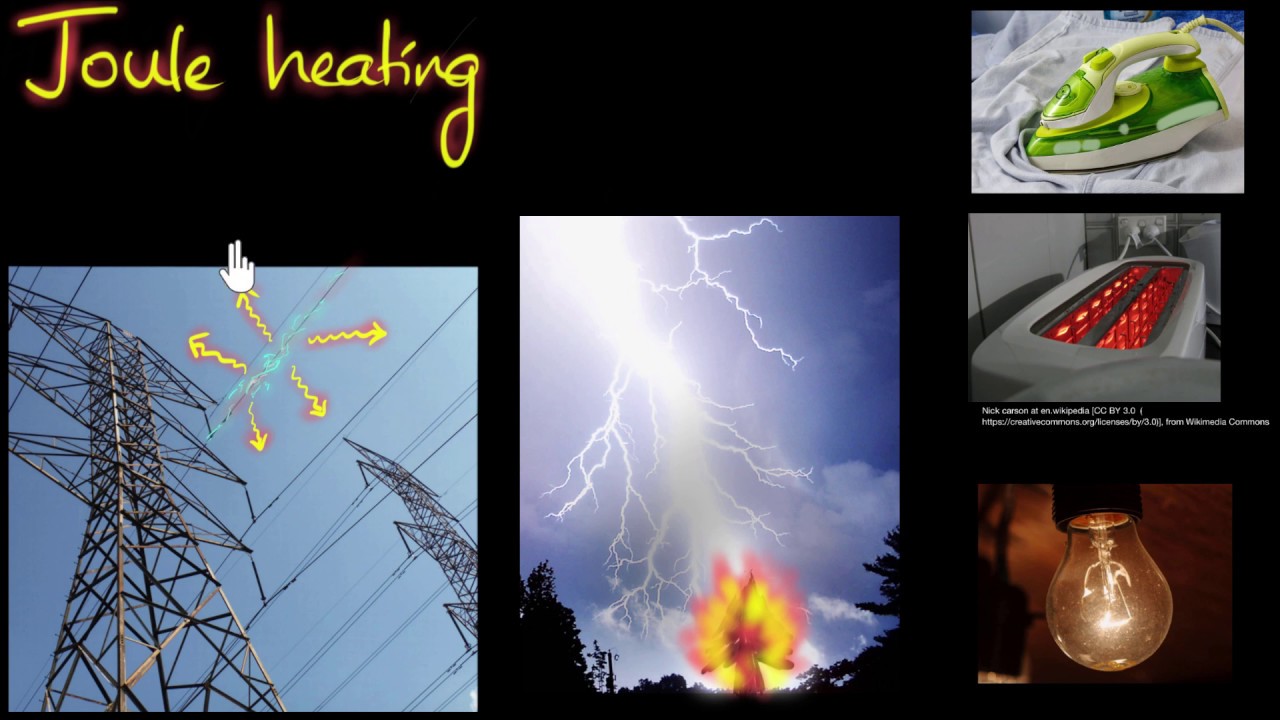
Educational video
This educational lesson explains electrical heating, which helps explain why coil operating conditions matter. It does not assign an insulation class, qualify a product or provide a contactor temperature limit.
Frequently asked questions
Does a coil thermal class specify the maximum ambient temperature?
No. Obtain the permitted ambient range and operating duty for the complete contactor from the manufacturer. A thermal-endurance designation alone does not establish the installation limit.
Is winding-wire documentation sufficient for the whole coil?
It may be supporting material evidence, but its scope should not be expanded automatically to the complete insulation system. Ask how it relates to the exact delivered construction and required evaluation.
Can a higher insulation class make any replacement acceptable?
No. The replacement must also satisfy the approved coil, switching, mounting, environment and response requirements. Compare the complete specification and the scope of the evidence.
What should a buyer request when the class claim is unclear?
Request the exact model and coil revision, whether the claim concerns material or system, the supporting document and the separate operating limits. Keep approval pending until the required evidence is resolved.
Product documentation and complementary guides
Use the CZQH150A-2T external-construction reference to discuss physical arrangement with Sayoon, and request current application-specific documentation before selecting it. Start with the DC contactor selection guide. Complementary subjects include DC Contactor Coil Temperature Rise Testing, DC Contactor Temperature Derating: A Practical OEM Review Method, DC Contactor Insulation Resistance Test: Preparation, Measurement, and Review.
Primary references and scope
The sources support the underlying physical or application principles described above. They do not establish a rating, certification or application approval for the pictured contactor.