The type of contactor that is used for controlling electric circuits (DC in particular) usually has a huge impact on how well the application is going to function. In recent years, there has been an increased need for equipment that is both reliable and safe; thus, many new standards have been introduced to meet those needs. One of these standards is the CE DC contactor, which has become quite popular for various industrial applications. But how does this differ from a traditional DC contactor? This article will compare the differences between these two types of contactors and why you should care about those differences when planning your own projects.
Understanding the Basics
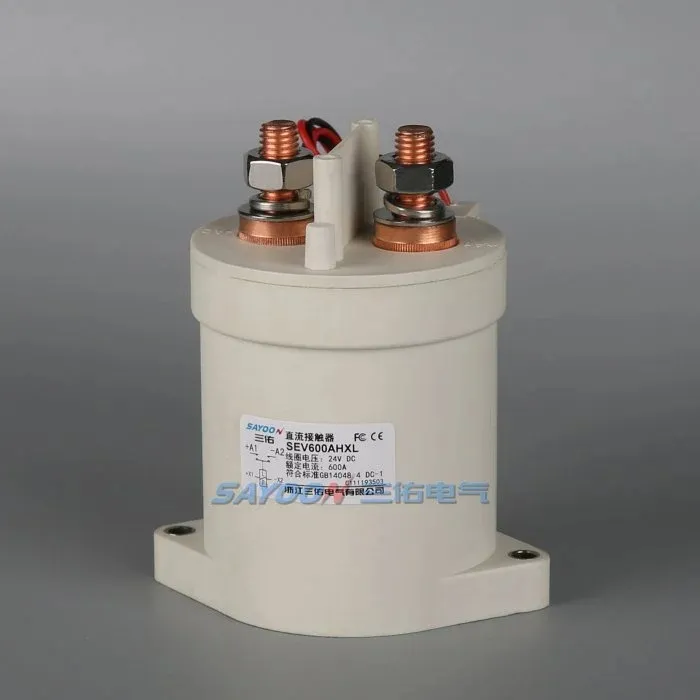
Contactor: A type of electrically controlled switch capable of switching high amounts of electricity on/off. Contactor types include DC contactors for general use and CE DC contactors that meet minimum requirements set by the European Union (EU) for safety, environmental protection, etc. These certifications will be important for companies who wish to market or use their products in Europe.
Key Differences
Among the major distinctions between a CE approved DC contactor and a standard DC contactor are the additional requirements that CE approved contactors must meet in terms of safety, compliance and application compatibility. CE approved contactors must be tested to verify proper operation under defined conditions, comply with the Electromagnetic Compatibility (EMC) standard and have environmental protection through the use of alternative types of construction materials.
Safety Features: CE vs Standard
There is always the query of whether or not a CE DC contactor is safer than a standard DC contactor. The most credible answer is yes, why? Because CE certified (aka European Conformity) contactors are tested for electrical safe operation, electrical operation integrity, and durability against electromagnetic interference. Thus they can be relied upon to safely function in a variety of operational environments. Standard DC contactors do operate effectively, however they do not necessarily go through as thorough of a quality control process and can be less reliable in harsh environments compared to CE testable units.
Can I Use a Standard DC Contactor Instead of a CE Certified One?
There are plenty of people asking engineers and procurement officers the same question. A standard DC contactor can technically be used in some applications but if you are operating with a market that requires CE certification, using a product that has not been certified can also lead to some legal problems and or safety issues. Before you make a decision about which one to go with, make sure to check that it is compliant with your local regulations.
CE vs UL vs CCC for DC Contactors – What Are the Differences?
Other certification standards have different areas of focus than CE. A common standard in the U.S., for example, is that UL (Underwriters Laboratories) certifications focus primarily upon performance standards, with an emphasis on minimizing risk. CCC (China Compulsory Certification) provides similar functionality, with additional local market conditions being taken into account when issuing certificates. As such, having an understanding of these distinctions can be beneficial when analyzing potential contractors for future projects, since all standards have very similar foundation requirements and each one has unique specifications based upon local market conditions.
Frequently Asked Questions (FAQ)
What does CE certification mean for DC contactors?
A DC Contactor that has been certified to comply with European Community directives, also known as (CE) certification, shows that it has been thoroughly tested to meet European safety, performance, and environmental standards. In addition, CE certification demonstrates compliance with the appropriate ‘testing methods’ for electrical and mechanical applications.
Are CE DC contactors more expensive than standard DC contactors?
While CE DC contactors may have higher initial costs because of their thorough testing and certification, they offer long-term savings through their reliability, safety features, and compliance with regulations.
Can I use a CE DC contactor outside of Europe?
CE DC Contractors can be applied across the globe based on their high level of safety and performance for many different types of applications. However, if you want to operate in another market like the United States or China, you will need to obtain further certification such as UL or CCC.
What types of applications are ideal for CE DC contactors?
CE DC contactors Greatly suited for rugged applications such as industrial automation, renewable sources of energy such as solar PV array, electric vehicles, and other DC load management. These have been designed for use in various environmental conditions so that they can be used in a range of different locations.
How do I verify that my DC contactor is CE certified?
Find the CE mark either on your packaging or on a product data sheet, and there may be available documentation and certificates issued by the manufacturer of that product to demonstrate CE compliance as well.
Conclusion: Making the Right Choice
The selection of a CE/CE-R or regular DC contactor will depend on the regulatory environment (as well as your specific operational needs) that you operate in. CE rated contactors provide you with assurance of meeting strict safety regulations and produce an environment of reliability and confidence. Regular DC contactors may be appropriate for only certain applications; however, investing in a CE rated contactor can reduce the chance of non-compliance issues and possible risk to your organisation’s assets. When evaluating the different contactor options available, be sure to take your needs into account when making your final purchase decision to ensure that it is compliant both from a safety and performance standpoint.