DC contactor control circuit record should preserve the information that gives a service observation its meaning. Before handover, collect the drawing revision, command or system state, terminal references, installed-device marking, observation source, application role, and the precise question that needs review.
This is a record for engineering or supplier discussion, not a declaration of fault or a replacement instruction. A clear handover prevents a wiring image, one meter value, or a short event note from carrying more meaning than the available evidence supports.
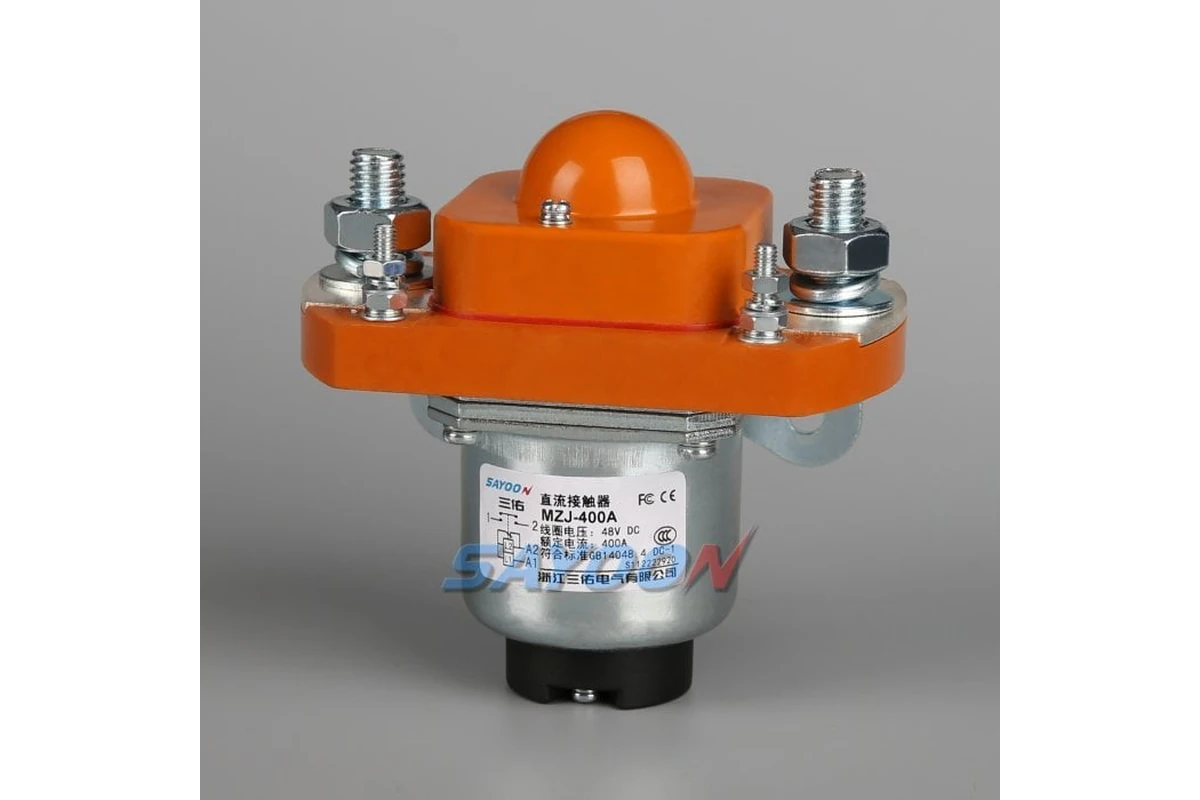
Part 1. What is the handover boundary?
Begin only within the site’s approved isolation, verification, and authorization process. A control-circuit question may involve more than the visible contactor, including auxiliary supplies, control logic, stored energy, or connected equipment. OSHA sources describe the general energy-control and electrical-work boundary; the site procedure governs the work itself. (OSHA hazardous energy control, OSHA electrical work practices)
Define the handover boundary before collecting details. State whether the information was obtained from an approved observation, a controller or event record, a labelled image, or another permitted source.
Important: Do not make repeated commands, bypass an interlock, or alter wiring just to complete a handover note. Use the approved site process before inspection or testing. Source: OSHA hazardous energy control.
Part 2. What makes a control-circuit record reviewable?
A reviewable record separates the reported condition from the context that explains it. The person receiving the record should be able to locate the circuit, understand the relevant command state, identify the installed device, and see exactly what evidence was captured.
| Handover item | Record | Why the reviewer needs it |
|---|---|---|
| Review question | One concise statement of what needs clarification | Prevents the package from becoming a list of unrelated observations. |
| Circuit reference | Drawing sheet, revision, and equipment location | Anchors the record to the installed design. |
| Event or command context | State before and during the observation | Links evidence to a defined operating moment. |
| Device reference | Marking and physical location as observed | Distinguishes the installed item from a spare or similar unit. |
Use the actual wording of the event or observation. Avoid filling gaps with a diagnosis before the drawing, application, and product evidence have been reviewed together.
Part 3. Which drawing and command details belong in it?
Attach or identify the applicable drawing revision and note the command or system state that existed at the time of observation. Record only the terminal designations and logic references visible in the approved documentation; do not redraw the circuit from memory or infer a generic terminal arrangement.
For a reported absence of movement, the related no-pull-in diagnostic guide provides separate symptom language. For repeated movement, use the chattering event record guide. Each record has a different scope and should remain distinct.
Part 4. How should terminals and observation sources be logged?
Log the point observed, the source of the observation, and its associated drawing reference. This makes it possible to distinguish an identified signal, an event log, and an unverified assumption during review.
| Evidence field | Include | Do not turn it into |
|---|---|---|
| Terminal or signal reference | Exact label and drawing location | A generic wiring instruction. |
| Observation source | Approved note, event record, or labelled image | Proof of a root cause. |
| Command state | The documented command or sequence context | A statement that all circuits responded as intended. |
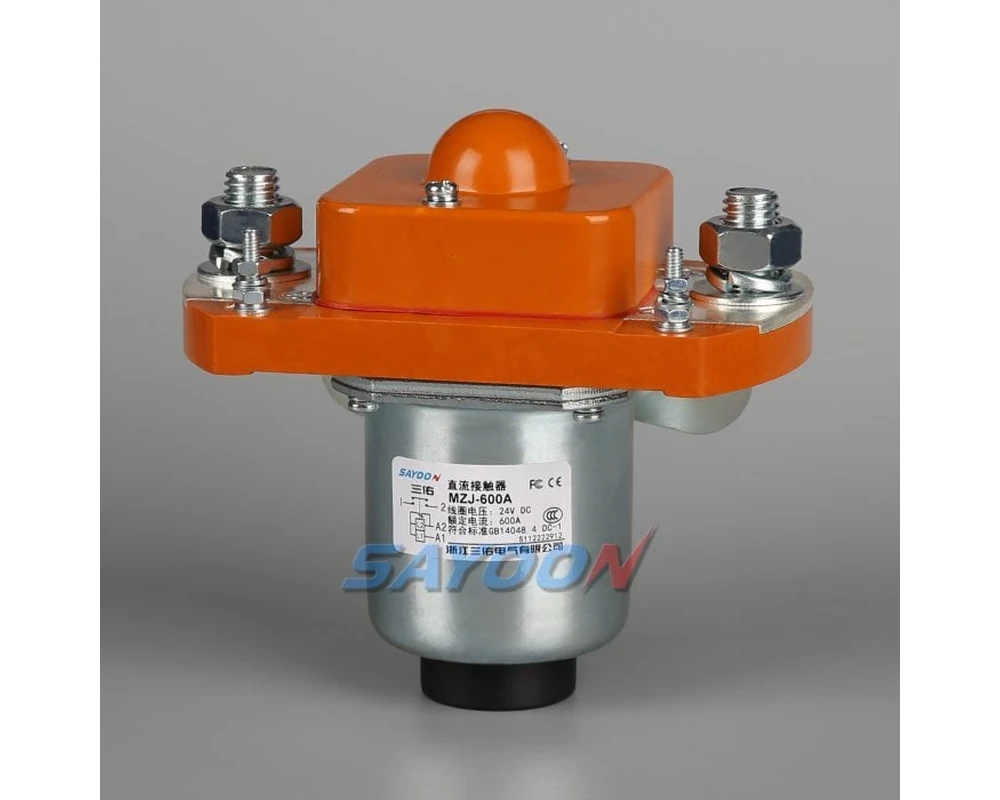
| Device marking | What is visible and where installed | Confirmation of a replacement model. |
When an auxiliary indication is part of the evidence, the auxiliary-signal review guide helps keep its logic meaning separate from a full main-path conclusion.
Part 5. Which application details prevent ambiguity?
Add a short description of the equipment role, connected application, and required control action. State which stakeholder is requesting the review and what decision remains open, such as documentation confirmation or clarification of a circuit function.
The application description does not need to guess a rating, lifetime, or cause. Its purpose is to show why the control function matters in the installed system and what documentation the reviewer should compare against the record.
Part 6. When should the team request more evidence?
Request more evidence if the drawing revision is unavailable, the command condition is unknown, a terminal cannot be identified, the installed marking is incomplete, or the application function has not been described. A wiring photo, isolated observation, or component image is insufficient when those fields are missing.
The fit boundary is clear: this package opens a review; it does not approve a circuit change, diagnose a failure, or select a substitute contactor. Preserve the open question and obtain the missing evidence before moving to a decision.
Part 7. How should the package move to a product review?
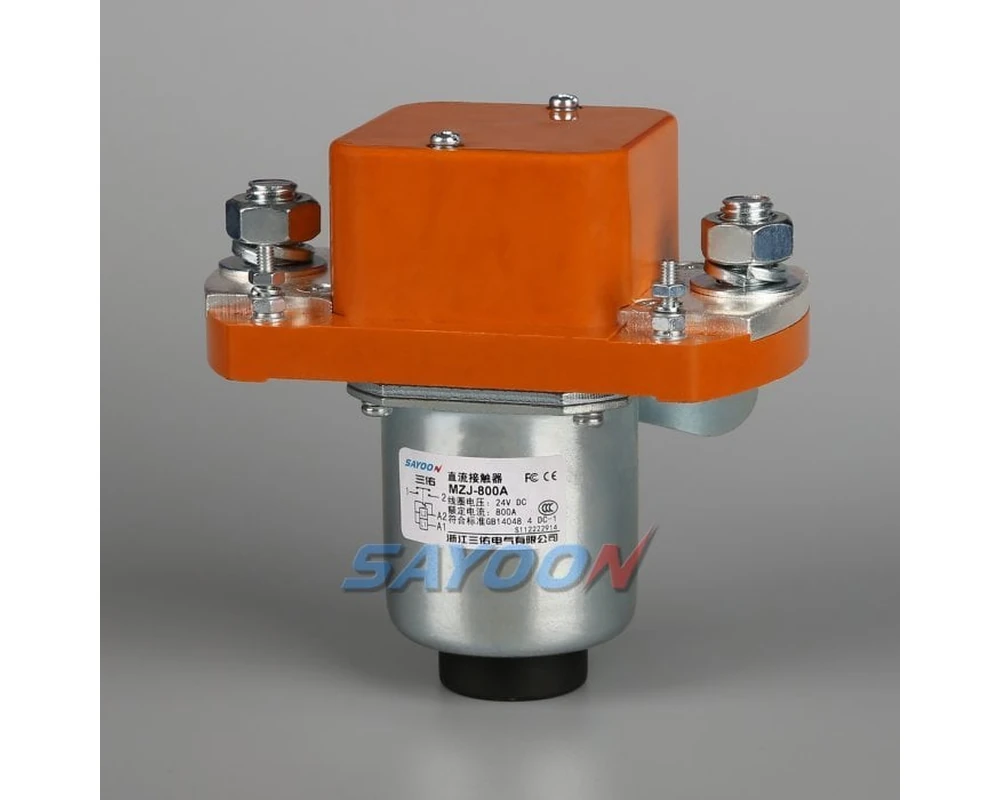
Once the handover record is complete, SAYOON’s DC contactor product range can be used to identify product families such as the CZW DC contactor line and SZJ DC contactor line. Product discovery follows the record; it does not replace it.
| RFQ input / Buyer should provide | Why it matters | Avoid this shortcut |
|---|---|---|
| Drawing reference and equipment location | Connects the request to the installed circuit | Supplying an unlabelled wiring image. |
| Command or event state | Shows when the question arose | Describing the symptom without timing or state. |
| Terminal, signal, and device references | Gives the reviewer traceable evidence | Naming an assumed terminal arrangement. |
| Application role and review question | Defines the documentation needed next | Requesting a model from partial evidence. |
With that package ready, send the control-circuit record for review and include any approved system or service records that define the question.
FAQ
What is a DC contactor control circuit record?
It is a structured handover of the drawing, command context, terminal references, installed-device information, observations, application role, and review question for a specific installed circuit.
Why include the drawing revision?
The revision identifies the design context for the terminal and command references. Without it, the receiver cannot reliably determine what a recorded point is intended to represent.
Does a wiring photo identify the problem?
No. A photo can be an evidence item, but it must be paired with drawing context, observation conditions, device identification, and the specific question to be reviewed.
Should a meter observation be included?
Include an approved observation source and its condition, but do not present one reading as a complete cause or selection conclusion.
Can the record be used to select a replacement?
It prepares a review only. Final selection requires the actual circuit function, application requirements, and exact product documentation.
What should be included with the RFQ?
Include with the RFQ the drawing reference, equipment location, command or event state, terminal and signal references, device marking, application role, open review question, and any approved observation record.
References
- OSHA control-of-hazardous-energy requirements inform the work boundary in Part 1.
- OSHA electrical safety-related work-practice material supports the inspection caution in that section.