A belt-driven DC motor that struggles to start does not automatically have a bad contactor. The external switching path, the motor and the driven mechanism can produce overlapping symptoms. Separate the start command, the approved evidence of electrical response and the mechanical load record before choosing a replacement. Changing belt tension or fitting a larger contactor without manufacturer criteria can hide the original cause and introduce a different problem.
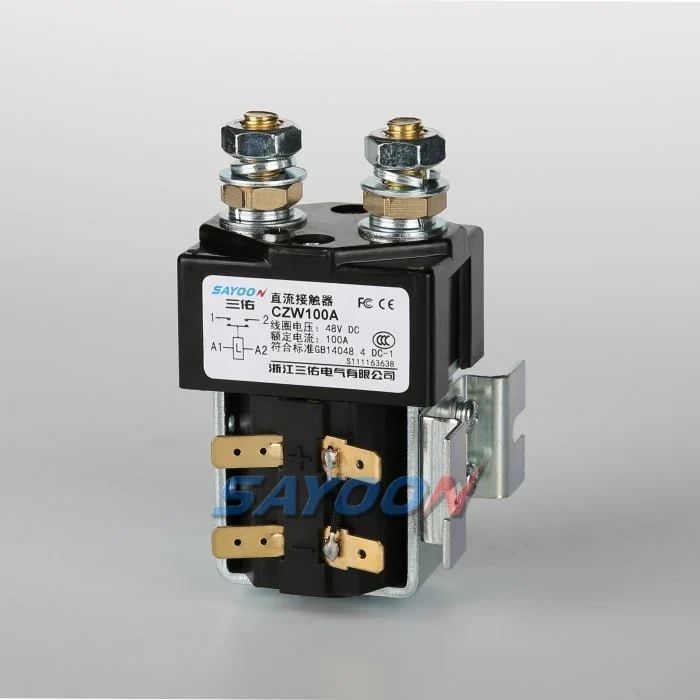
This guide concerns the boundary between belt-drive loading and contactor troubleshooting. It supplies a decision framework rather than belt tension values, current thresholds or live test instructions. The correct values depend on the motor, belt, sheaves, driven equipment and approved switching design. A photograph of a Sayoon contactor establishes appearance only; it does not establish its suitability for your starting duty.
Start with the changed condition
Ask when the symptom began and what changed immediately beforehand. A new belt, a process adjustment, maintenance on bearings, a supply change or a different operating sequence can alter the investigation. Record these changes without treating timing alone as proof of causation. A machine may also have more than one problem, so evidence about mechanical condition should not replace checks of the approved switching response.
Preserve the original complaint in operational terms: delayed movement, no movement, intermittent starts, a protective stop or a noise occurring at a particular point. ‘Weak contactor’ is already a diagnosis and can distort the next steps. A clear symptom record lets the motor, drive and switching suppliers review the same event instead of responding to different interpretations of what happened.
Separate three evidence paths
The control path answers whether a start was requested and permitted. The switching path answers whether the intended circuit responded according to the approved verification method. The mechanical path addresses the motor and driven load under the manufacturer’s maintenance criteria. Each path has different documentation and may require a different specialist.
| Review item | Evidence to collect | Selection implication |
|---|---|---|
| Control | Start permissions and protective events | Identify intentional inhibition |
| Switching | Exact contactor and approved response check | Do not diagnose from a click |
| Mechanical drive | Belt identity, alignment and tension criteria | Use the actual drive instructions |
| Closeout | Correction and original symptom verification | Keep unresolved causes visible |
A useful record keeps these paths aligned in time. If a protective function removed the start request, the absence of motor movement does not prove a contactor failed to close. If the command and switching response disagree, a belt adjustment does not resolve that disagreement. The purpose of separating the paths is to avoid forcing every symptom into the first plausible explanation.
Review belt condition using the actual drive instructions
Belt condition, alignment and tension must be assessed against the instructions for the installed drive. There is no universal tension number for all belt-driven DC motors. Belt construction, span, sheave geometry and the measurement method all matter. Use the specified procedure and tools rather than pressing the belt by hand and comparing the result with an unrelated machine.
Maintenance records should identify belt type, part number, replacement date, adjustment method and any associated work on sheaves or bearings. Where multiple belts share a drive, follow the manufacturer’s matching and replacement guidance. Keep all guards and isolation requirements within the authorized maintenance procedure. This article does not recommend operating an exposed drive or making adjustments while the machine is energized.
Recognize why mechanical loading belongs in the investigation
A motor and the connected mechanism form a system. Changed loading can affect starting behavior even where the switching equipment follows its command. The United States Department of Energy’s motor-system resources emphasize evaluating the complete system rather than focusing only on an individual component. That systems approach is useful here, although it does not provide a contactor rating or a DC-specific belt tension limit.
The linked motor sourcebook is historical technical background, not a current product specification. Use it to understand the value of maintenance and system assessment, then obtain the current instructions for the installed equipment. Do not transfer a general discussion of industrial motors into a precise acceptance criterion for a particular DC contactor, belt drive or protective device.
Preserve the electrical symptom without improvising live tests
The contactor review needs exact product identity, coil option, control sequence and the machine’s approved acceptance method. An audible click alone does not establish that the main path is suitable under operating conditions. Conversely, a motor that moves poorly does not establish an electrical defect in the contactor. Record what was observed and what the approved check actually establishes.
Qualified personnel must follow the site’s procedures for electrical isolation, stored energy and unexpected movement. This guide does not instruct exposed live measurements or energizing a machine with guards removed. Where a permitted diagnostic test needs the system energized, its method, boundaries and authorization belong to the equipment-specific work plan. Do not substitute internet troubleshooting steps for that plan.
Compare starts under a documented operating sequence
A startup record should identify the initial machine state, permitted process load, direction, start command, protective indications and resulting movement. It should also identify whether the observation occurred after maintenance, after a long idle period or during repeated operation. These distinctions can reveal patterns without requiring an unsupported numerical conclusion.
Avoid repeating starts solely to make the symptom happen again. Starting duty and permissible attempts depend on the motor and switching equipment. If the machine stops through protection, follow the documented response rather than resetting it until it runs. A controlled investigation preserves the original evidence and prevents a component comparison from becoming an unapproved endurance test.
Do not use a larger contactor as a mechanical repair
A replacement requires its own engineering selection. Main-circuit voltage, making and breaking duty, load characteristics, coil supply, operating frequency and installation conditions are separate from a headline current number. A larger-looking assembly may have different control requirements or physical constraints. Confirm those details with the supplier before treating it as interchangeable.
If the drive has an unresolved alignment, tension or bearing issue, document it independently of the contactor request. Changing switching hardware does not demonstrate that mechanical loading is acceptable. Equally, correcting a belt problem does not prove an electrically suspect contactor can remain in service. Both dispositions must be based on their respective inspection and acceptance evidence.
Create a clear supplier evidence package
For the motor or drive supplier, provide the installed belt and sheave identification, maintenance history, operating load description and the observed startup sequence. For the contactor supplier, provide the exact model, coil details, circuit role and approved switching findings. Include photographs only when they accurately show the installed arrangement and do not expose people to unsafe access.
State which facts are confirmed and which remain hypotheses. For example, ‘start command present; switching response not yet independently verified; belt replaced yesterday’ is more useful than ‘new belt overloaded the contactor.’ The first statement preserves evidence boundaries. The second asserts a causal chain that may be unproven and can lead both suppliers toward the wrong replacement recommendation.
Verify the repair against the original complaint
The closeout should connect the actual correction to the symptom that initiated the work. If a belt adjustment was made, record the approved method and acceptance result. If a contactor was replaced, retain the original identity, replacement approval and the evidence supporting that decision. If both were changed, avoid claiming that one change alone proved the cause.
After authorized restoration, complete the machine’s required functional checks and record operation within its approved conditions. Confirm that guards, protective functions and restart behavior are restored. The phrase ‘motor turns now’ is incomplete if the original issue was intermittent starting after a process load change. The final record should explain what was checked and what uncertainty, if any, remains for monitoring.
Educational video
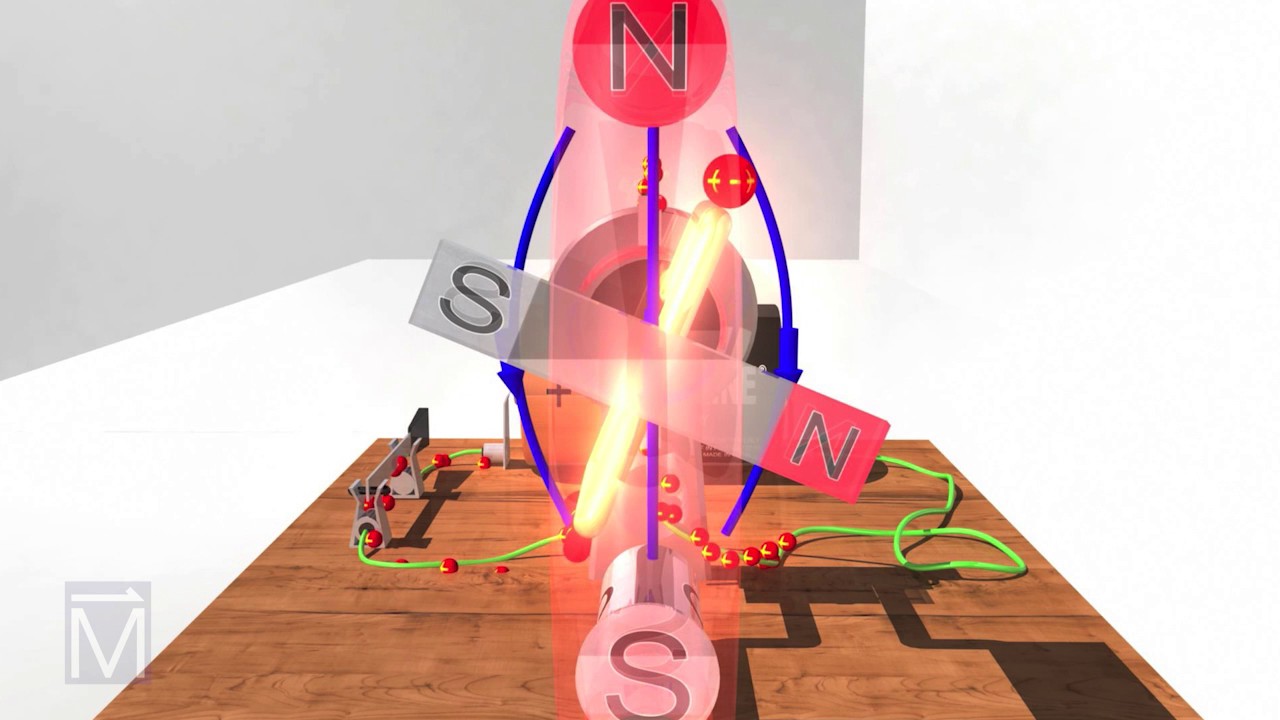
National MagLab explains DC motor action. This provides context for separating the motor and its external switching path; it does not prescribe a protective trip, belt adjustment or contactor test.
Frequently asked questions
Can excessive belt tension look like a contactor problem?
Mechanical loading and switching problems can produce overlapping startup symptoms. Check the installed drive’s maintenance criteria and the approved contactor response separately before assigning a cause.
Is there a standard belt tension for DC motor drives?
There is no single value suitable for all arrangements. Use the belt and equipment manufacturers’ specified method, geometry and acceptance criteria for the actual installation.
Does a contactor click prove the motor has a good supply path?
No. A click is an observation of operation, not complete evidence of main-path performance. Use the equipment-specific approved verification procedure.
Should a larger contactor be installed after a difficult start?
Only after proper selection and cause review. A larger current label does not repair a mechanical fault or establish compatibility with the motor duty, coil circuit and installed system.
Product documentation and complementary guides
Use the CZW100A external-construction reference to discuss physical arrangement with Sayoon, and request current application-specific documentation before selecting it. Start with the DC contactor selection guide. Complementary subjects include How to Inspect Pitted or Burned Contactor Contacts, How to Diagnose Intermittent DC Contactor Operation, DC motor stall event: contactor interruption and restart evidence.
Primary references and scope
The sources support the underlying physical or application principles described above. They do not establish a rating, certification or application approval for the pictured contactor.