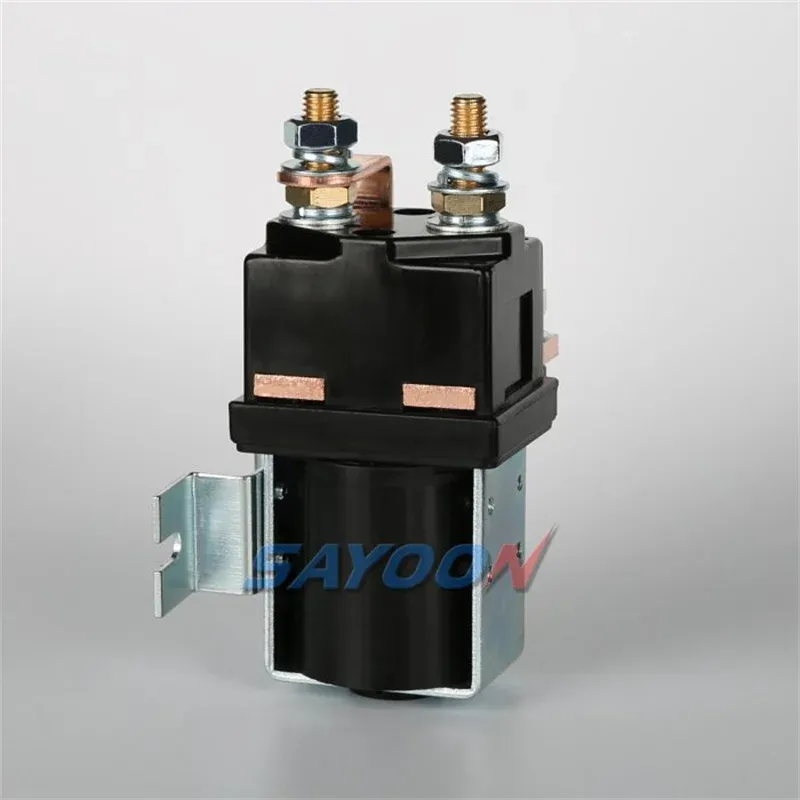
In an electrical circuit, a 2 pole contactor is an electrical device used for turning on or off the flow of electrical current. The contactor allows or interrupts power to the load, and it can control large voltages and currents as if it were a switch. Contactors are commonly found in many different types of applications including both industrial and commercial, which makes contactors a vital part of electrical engineering.
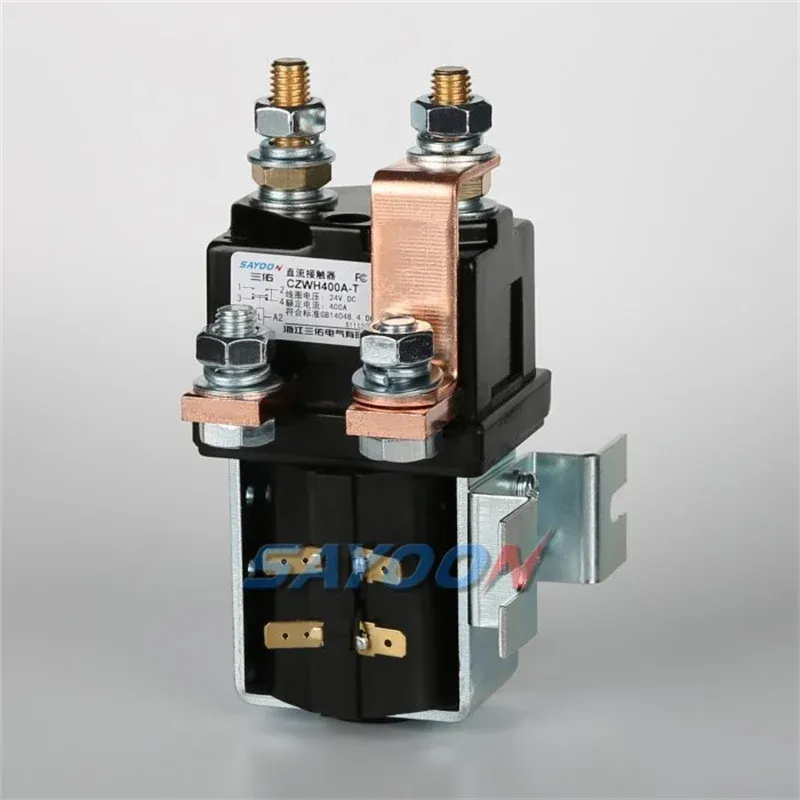
How Does a 2 Pole Contactor Work?
A 2 pole contactor is fairly simple in terms of operation. There are two main components; an electromagnetic coil that creates a magnetic field whenever electricity flows through it, closing the circuit or contacts; thereby allowing current to flow through the load. Conversely; when the coil does not have electricity flowing through it, the circuit is broken; thus stopping any current flow to the load. The ability to control when an electric motor or some other piece of heavy equipment turns on and off precisely is vital for many industries.
2 Pole vs. 3 Pole Contactor: Key Differences
When looking at the different kinds of electronically controlled devices, there are two types of contactor; the pole contactor which can have either one or three poles. The main difference is in how they are used. Two-pole contactors are usually used in applications that use single-phase electricity, e.g. lighting and heating in homes. Whereas Three-Pole contactors are used in industrial equipment that requires three-phase electricity. You will need to choose the right device for your application based on the needs of your system.
Common Applications of a 2 Pole Contactor
2 pole contactors are versatile and find use in a variety of applications. Common uses include:
- Residential lighting control
- Heating and ventilation systems
- Air conditioning units
- Motor control applications
In addition, there are models of 2 pole contactor with either a 24 volt coil or 220 volt coil which support various voltages and applications.
How to Wire a 2 Pole Contactor
To wire a 2-pole contactor correctly, you must be very detail-oriented when wiring it up make sure everything is right. Here’s the right way to wire it up:
- Turn off all power to the circuit before starting.
- Connect the contactor’s incoming supply terminals (typically labelled L1 and L2) to the mains power supply.
- Connect the outgoing terminals (T1 and T2) to the load you wish to control.
- If applicable, wire the control circuit to the coil terminals.
- Double-check all connections for security and accuracy before restoring power.
By following this procedure you will not only use this device safely but also to ensure it operates at peak performance levels.
FAQ: Frequently Asked Questions About 2 Pole Contactors
What is the purpose of a 2 pole contactor?
A two pole contactor is a device that provides a way of controlling the electrical power flow to an electrical load. The main function of a contactor is to control circuits that require a circuit with more amperage or voltage than what conventional switch devices can handle.
Can I use a 2 pole contactor for three-phase systems?
A two-pole contactor is intended for use with a single-phase power supply. A three-pole contactor should be used in three-phase applications because it is designed to switch on and off each of the three phase conductors simultaneously and is therefore the best suited for controlling the power in these cases.
What voltage options are available for 2 pole contactors?
When looking for a 2 pole contactor, there are typically two options available; one for low voltage applications (a 2 Pole Contactor with a 24 V Coil) and the other for high voltage applications (a 2 Pole Contactor with a 220 V Coil). Make sure that if you are using a 2 Pole Contactor in your installation that it has been rated for use at the voltage you will be operating.
How long does a 2 pole contactor last?
A 2 Pole (electric contactor) will have a different lifespan depending on various uses (cycles of use), load conditions, and the type of environment in which it operates. Most 2 Pole (electric contactors) installed & maintained with good practices will last for many years.
What are the signs of a faulty 2 pole contactor?
A failing contactor may present signs such as odd noises (buzzing or humming), overheating, burnt contacts, and/or an inability to either close or open the circuit. If you notice these issues, be sure to take them seriously and fix them promptly, as they could lead to further damage in your system.
Conclusion
A two-pole contactor is crucial for many electrical applications because it provides dependable, reliable control of how we distribute power. By better understanding how 2 pole contactors work (how they differ from other types), the common uses of 2 pole contactors and how to wire them; people will be able to make better informed choices when using 2 pole contactors in their electrical projects. Whether you are deciding to purchase a 2 pole contactor with a 24vdc coil or a 2 pole contactor with a 220vdc coil will help improve both the efficiency and safety of your systems!