DC contactor drawing revision RFQ review starts by identifying the document under discussion. Preserve the drawing title or number, revision, relevant sheet or view, callout wording, project context, and the question that the supplier is expected to address.
This approach keeps a request reviewable when drawings change between project stages. A revision mark or device symbol is not, by itself, approval of a design or proof of a compatible contactor.
Part 1. What does a drawing-revision RFQ review do?
A drawing-revision RFQ review creates one controlled description of what the buyer wants reviewed. It makes the document reference, scope, and open question visible before product pages or supplier responses are used.
The record should distinguish a buyer’s supplied drawing from an approved product document. The revisión de documentos de cumplimiento describes a similar discipline for document identity and scope, without treating every file as the same kind of evidence.
Part 2. Which drawing fields identify the request?
When a request is based on a drawing, retain the fields that allow a reviewer to find the exact source. Include the document title or number, stated revision, relevant sheet or view, device callout, and buyer’s project context.
| Controlled field | Buyer should capture | Valor de revisión |
|---|---|---|
| Drawing identity | Title, number, or issue label as supplied | Distinguishes the intended project record. |
| Revision | Exact revision wording and date if shown | Prevents a prior copy being assumed to govern. |
| Relevant location | Sheet, view, zone, or callout reference | Narrows the review to the stated context. |
| Review question | The confirmation requested from the supplier | Stops a general document request from expanding into an unbounded claim. |
Use the guía del contexto de aplicación if the project role must be recorded separately from the drawing itself.
Part 3. How should revision differences be presented?
If two revisions are available, list the references side by side and state which one the buyer believes should govern. Describe a difference as an item for review unless its effect is confirmed in controlled documentation.
| Comparison item | Record it as | Do not state without evidence |
|---|---|---|
| Revision label | The text shown on each file | That the newest-looking copy is approved. |
| Callout wording | A quoted or transcribed field | That it selects a specific model. |
| Changed view or sheet | A reference to the displayed location | That it changes rating, fit, or function. |
| Open discrepancy | A direct supplier-review question | A conclusion based on visual similarity. |
This keeps revision control useful without pretending that the article can interpret a customer’s design change.
Part 4. What is evidence and what is an inference?
Evidence is the controlled drawing field, supplied revision, visible callout, or documented project statement. An inference is a conclusion added beyond those materials, such as declaring a model compatible because a symbol looks familiar.
Importante: Do not access, energize, or alter equipment to reconcile a drawing revision unless the responsible site procedure allows that work. A supplier RFQ is not a work authorization; Fluke’s contactor-testing guidance is general context, not permission to act.
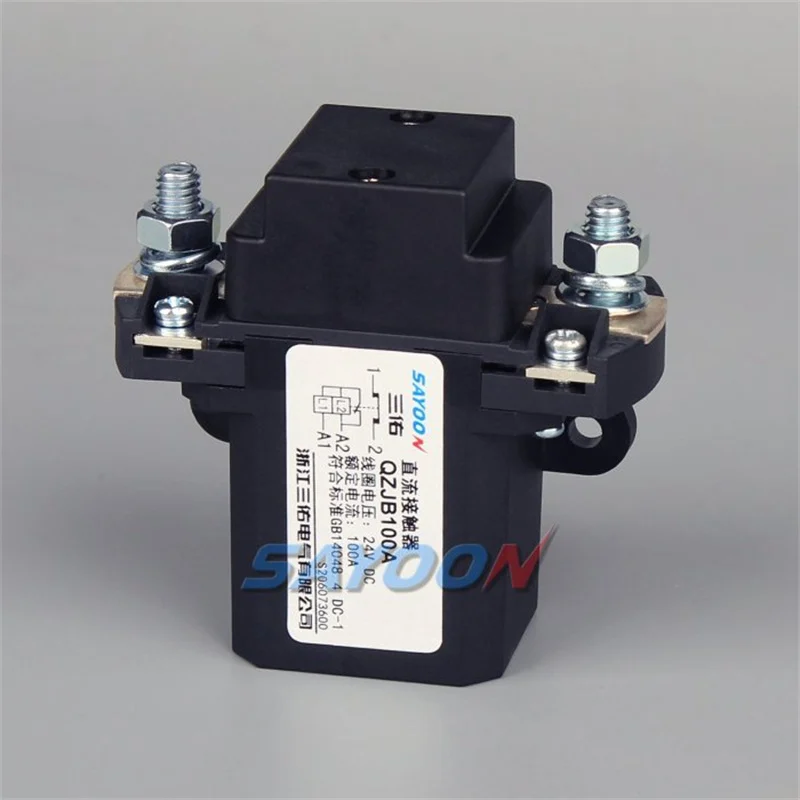
El nameplate evidence guide can support identification of an installed device, but it cannot approve the drawing revision or resolve product fit by itself.
Part 5. What cannot a drawing callout establish?
Unlike a verified product datasheet, a drawing callout does not establish a universal terminal arrangement, rating, tolerance, model fit, or change impact. A controlled enquiry must leave those items open for the applicable documentation and engineering review.
Do not transform a drawing reference into a promise of suitability. Keep the callout wording and supplier question together so that the response can state its evidence and limitations.
Part 6. When should the RFQ return for clarification?
Return the RFQ for clarification if it does not name the governing drawing, revision, relevant callout, application context, or requested confirmation. Clarification is also needed when the buyer supplies two conflicting copies without defining which one is under review.
The practical goal is a finite question. For example, ask which documentation should be reviewed against a named callout rather than asking a supplier to endorse an undefined design.
Part 7. How should the controlled request reach product review?
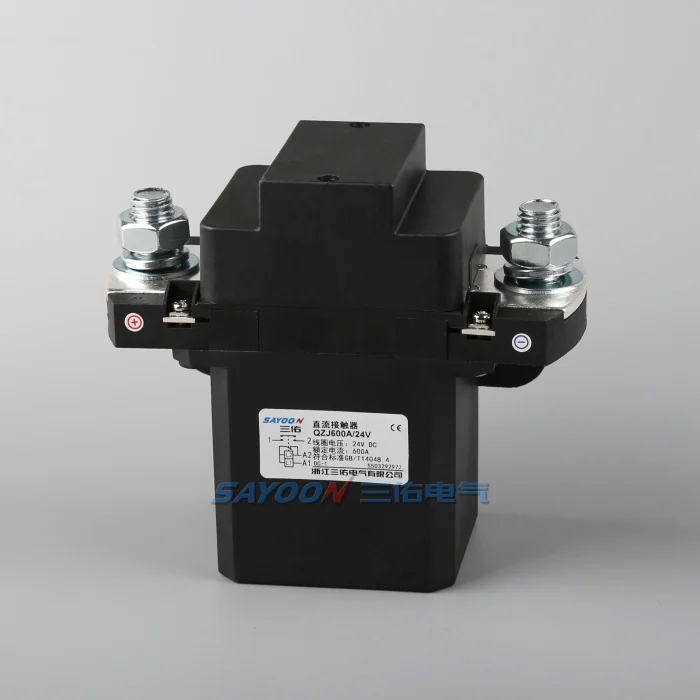
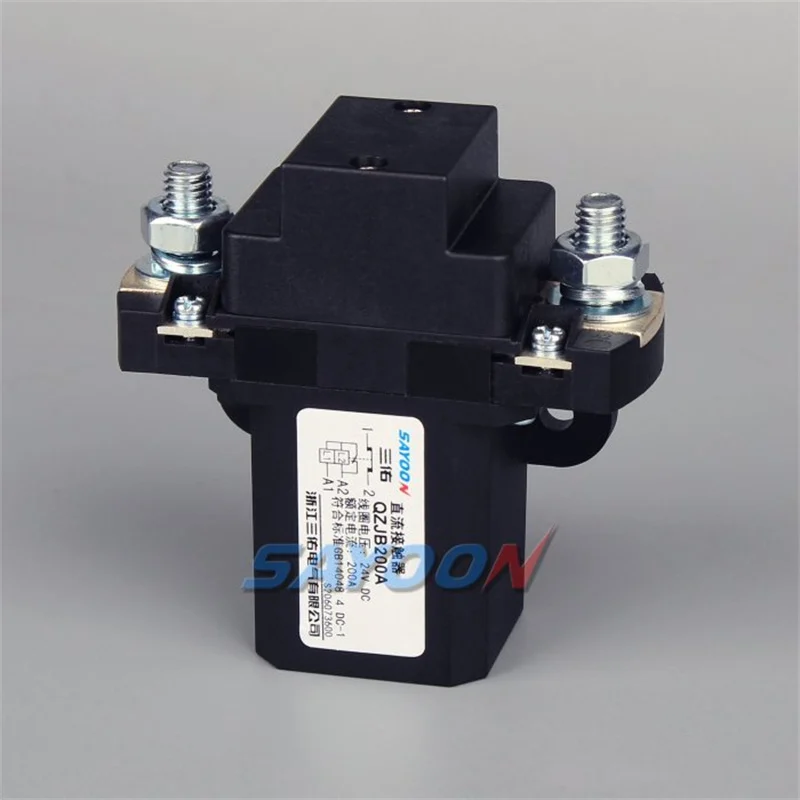
After the drawing record is complete, the Gama de productos de contactores de CC is a discovery route. The QZJ DC contactor line y CZW DC contactor line can then be considered against the controlled request; neither is a recommendation based only on a revision label.
| Entrada de RFQ / El comprador debe proporcionar | Por qué importa | Evita este atajo |
|---|---|---|
| Drawing title or number and governing revision | Identifies the source under review | Attaching an unnamed image. |
| Relevant sheet, view, zone, or callout | Locates the exact request context | Asking the supplier to search an entire project pack. |
| Project application and known difference | Defines the question’s boundary | Declaring a design change has a known effect. |
| Open confirmation requested | Lets the supplier respond to a finite issue | Treating a symbol as a model-selection result. |
Send the controlled drawing enquiry with those fields and any available supporting record.
Preguntas frecuentes
What drawing information should accompany an RFQ?
Include the drawing title or number, stated governing revision, relevant sheet or view, device callout, project application context, and the specific confirmation requested.
Why state the drawing revision?
The revision identifies the supplied project record. It allows the buyer and supplier to discuss the same version rather than assume that a similar copy governs the request.
Can a drawing callout identify a compatible contactor?
No. A callout is a review input, not proof of terminal arrangement, rating, product fit, or model compatibility. Applicable product documentation and project requirements must be reviewed.
How should an open drawing question be recorded?
Write the exact controlled reference first, then state the limited confirmation needed from the supplier. Do not embed a conclusion in the question.
What should be compared across revisions?
Compare the revision labels, relevant sheet or view references, callout wording, and the buyer’s stated difference. Treat the consequence of a difference as an open review item unless supported by controlled evidence.
What should a supplier receive for review?
Provide the controlled drawing reference and revision, relevant callout or view, application context, any identified discrepancy, available supporting evidence, and the bounded question to be answered.
Referencias
- Fluke’s guidance on testing contactors supplies the limited Part 4 safety context.
- A discussion of welded contactors on EEVblog is included for its practitioner language, rather than as approval evidence.