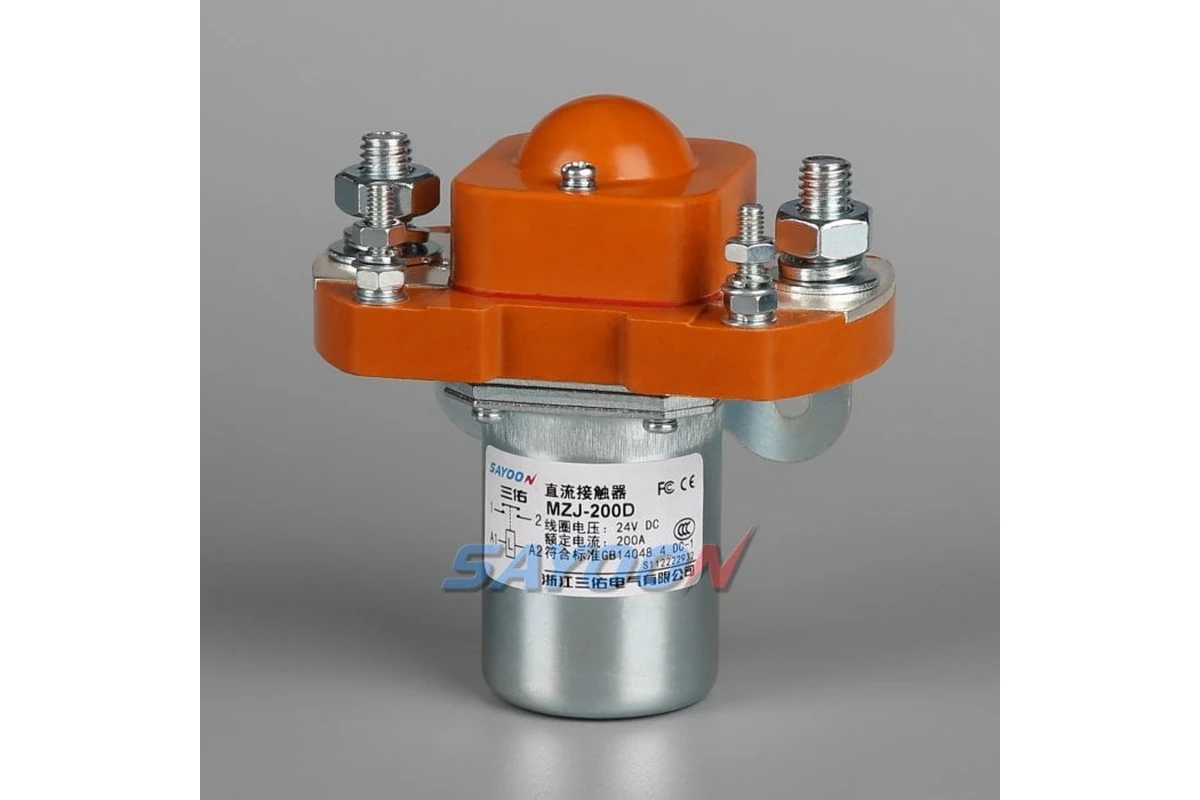
A DC contactor nameplate is useful because it connects an installed device to a review record. It does not, on its own, establish the required contact function, command arrangement, circuit role, or compatibility of a replacement.
Treat the visible marking as the first item in a documented handoff. Combine it with clear terminal identification, the relevant drawing, the application description, and the exact product documentation before asking for a replacement decision.
Part 1. What should be controlled before reading an installed contactor marking?
Collect installed-device information only after the site’s approved isolation and safe-condition process has established a suitable inspection boundary. A label, terminal view, or enclosure photograph can be useful evidence, but it should not be gathered by bypassing the site’s energy-control or electrical-work practices. (control de energía de OSHA, prácticas de trabajo eléctrico de OSHA)
Record the drawing revision and equipment location alongside the visible device information. This helps the next reviewer distinguish the installed item from a similar product image or an unrelated spare.
Importante: Do not treat a readable marking as permission to handle or disconnect the device. Establish the approved inspection boundary first. Source: OSHA safety references listed below.
Part 2. Which visible details should be captured first?
Capture the exact visible marking, terminal designations, condition of the label, and the location of the device in the equipment. Where site rules allow photographs, make the image legible and link it to the drawing reference and circuit position. The aim is to preserve what was observed, not to interpret every printed field without the associated product documentation.
| Visible record item | Capture with it | Why it helps |
|---|---|---|
| Installed marking | Clear image and transcription as seen | Lets the reviewer locate the relevant documentation. |
| Terminal designations | Labelled view and drawing reference | Connects each terminal to its intended function. |
| Device location | Panel or system position | Separates the installed device from a similar spare. |
| Label condition | Any unreadable or missing portion | Shows which detail must be confirmed from other records. |
Do not fill in missing label content from memory. An incomplete marking is a reason to request more evidence, not a reason to select a close-looking alternative.
Part 3. Why is a marking not a complete replacement specification?
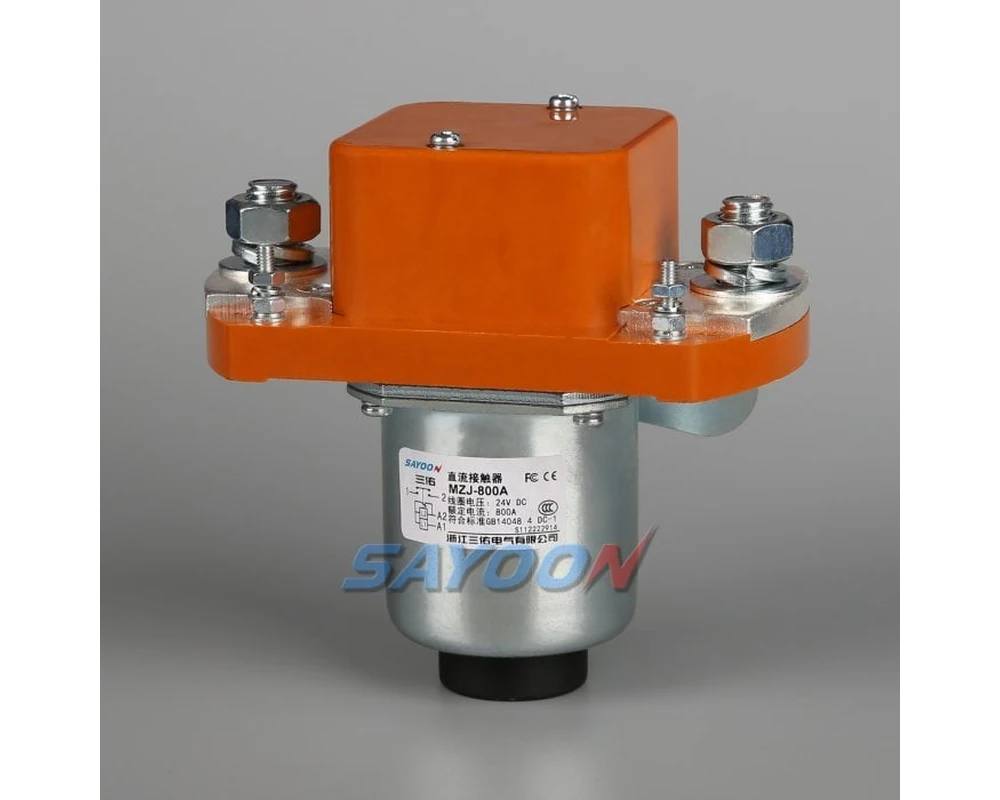
A marking identifies an installed item, but a replacement review must also account for the required contact function, command arrangement, circuit role, and application. A visually similar enclosure can differ in information that is not visible in a single photograph or in the subset of fields that remain readable.
The record should therefore distinguish “printed on the installed device” from “required by the application.” The first is evidence of what is installed; the second is the question a replacement review still has to answer.
For the boundary between pole-count labels and a replacement decision, see the related one-pole and two-pole replacement boundary. It is a supporting article and does not replace review of the actual circuit.
Part 4. How should terminal and contact information be recorded?
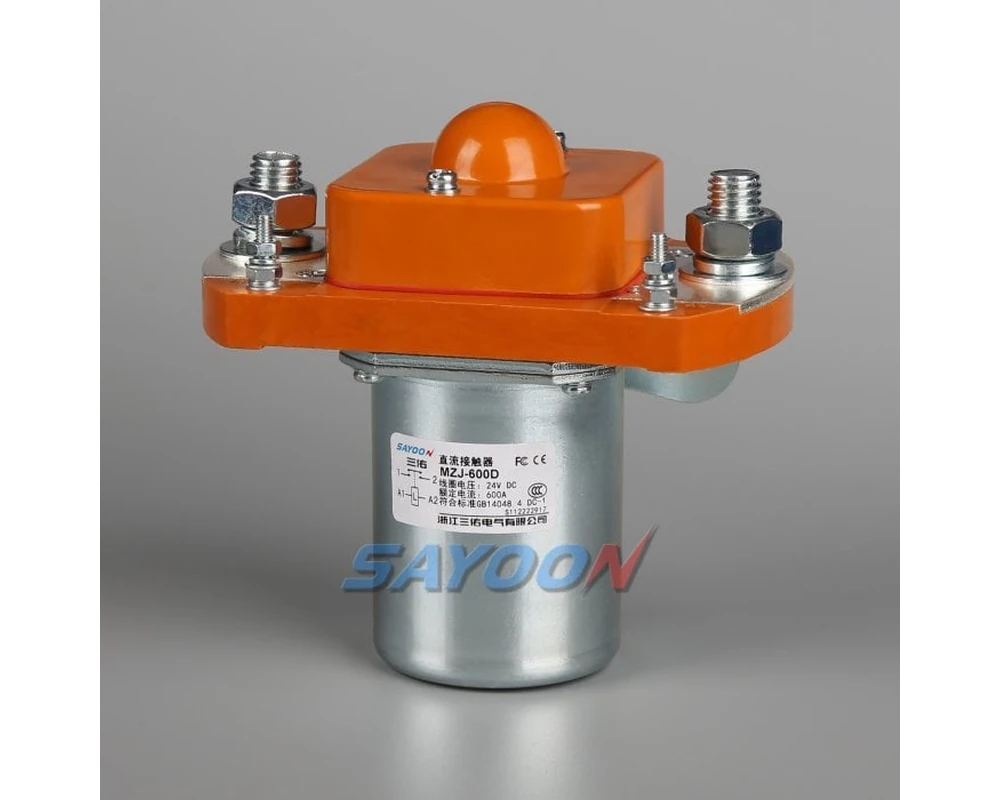
Record terminal labels exactly as shown on the device and drawing. Add the required contact function from the design, then note what observation is associated with each relevant path. This avoids using a photograph of one terminal group as proof of every coil, auxiliary, and main-contact detail.
| Record field | Emparejarlo con | Boundary |
|---|---|---|
| Coil terminal labels | Command-path drawing reference | Do not infer a command option from appearance. |
| Main terminal labels | Required load-path function | Do not assume the contact arrangement from a single view. |
| Auxiliary indication | Its stated logic or interlock role | Do not use it as proof of every main contact state. |
| Required contact state | The relevant design requirement | Do not substitute a generic NO/NC assumption. |
Readers can use SAYOON’s A1 and A2 coil-terminal guide y NO and NC contact configuration guide to clarify terminology. The installed drawing and exact product documentation remain the governing evidence.
Part 5. Which application details complete the picture?
The record needs the circuit position, the required control action, the connected application, and any relevant event or service context. A reviewer should be able to see what the contactor is expected to do in the assembly, not only what is printed on its label.
Include the drawing reference, the desired contact function, the command-path description, and a short application summary. This connects the installed-item evidence to the actual selection question without claiming an unverified rating or project outcome.
Part 6. When should a replacement review stop and request more evidence?
Stop and request more evidence when the marking is unreadable, the terminal labels are not connected to a drawing, the required contact function is unknown, or the application context is missing. A similar model image, enclosure form, or partial label is not a substitute for those inputs.
Do not turn a visible product label into a compatibility claim. The correct next step is to complete the record and consult the relevant product documentation through the responsible engineering or supplier review process.
Part 7. How should the record be sent for product review?
Once the installed-device record is complete, SAYOON’s Gama de productos de contactores de CC can support product-family discovery, including the CZW DC contactor line y SZJ DC contactor line. These pages are a review destination rather than a replacement conclusion.
| Entrada de RFQ / El comprador debe proporcionar | Por qué importa | Evita este atajo |
|---|---|---|
| Clear installed-marking image and transcription | Starts the review from the actual device | Typing an incomplete value from memory. |
| Drawing reference with circuit location | Shows the device’s intended place in the system | Sending a label image without context. |
| Required contact function and command description | Defines the engineering question | Choosing from product appearance alone. |
| Application summary and observed service context | Lets the reviewer ask for the right documentation | Treating a visually similar item as interchangeable. |
The fit boundary is simple: a nameplate is an input, not a replacement decision. When the record is complete, send the installed-device record for review with the supporting application information.
Preguntas frecuentes
Can appearance identify the replacement?
No. Appearance can help identify the installed item, but final selection needs the marking, drawing, contact function, command arrangement, application details, and exact product documentation.
Does a visible marking prove compatibility?
No. The marking is part of the evidence record. It does not establish whether another device has the required function in the actual circuit.
Why include a drawing with the record?
The drawing identifies the circuit position, intended command path, and required contact function. It provides context that the visible label cannot supply by itself.
How should coil terminals be described?
Record the terminal designations exactly as they appear on the device and drawing, together with the command-path reference. Do not infer an option from a product photo.
Can NO or NC be assumed from a photo?
No. Use the design requirement, terminal identification, and relevant product documentation to verify the required contact function.
What should be included with the RFQ?
Include with the RFQ the clear marking image and transcription, drawing reference, circuit location, required contact function, command description, application summary, and observed service context.
Referencias
- OSHA lockout and energy-control resource is cited for the marking-collection boundary in Part 1.
- OSHA guidance on electrical working conditions is cited for the inspection caution in Part 1.