The storage decision comes before installation
DC contactor storage conditions should follow the exact manufacturer instructions for the supplied model, including packaging, environmental limits and any shelf-life restrictions. Keep the component dry, clean, protected from corrosive contamination and mechanical damage, and preserve its identity and inspection history. A storage room temperature alone does not establish suitability. Before installation, confirm that the part, packaging and records remain acceptable and that the intended electrical duty still matches the approved specification. This guide explains how an OEM warehouse can define receipt, storage, movement and release controls without inventing a universal temperature, humidity or storage duration for every contactor.
A contactor is an electromechanical assembly. Its external terminals, insulation, moving mechanism and identification can be affected by different warehouse events. A sealed product is not automatically approved for outdoor storage, immersion, salt exposure or unrestricted shelf life. Similarly, an open construction is not necessarily damaged merely because it has been stored for several months. The meaningful question is whether the actual conditions and documented checks support release of that particular part.
Separate published limits from warehouse targets
Start with the supplier drawing, packaging specification, storage instructions and purchase requirements. Record their revision and identify which limits apply to an unpacked component, the packaged shipment and any accessories. Operating temperature, transport temperature and storage temperature can be different fields. Do not transfer a vehicle operating limit to a warehouse label unless the manufacturer states that it is applicable.
Where the supplier has not published a storage condition, request clarification rather than filling the blank with a familiar industry number. An internal warehouse target can be more conservative than the component limit, but label it as your procedure rather than a Sayoon rating. Define who reviews excursions and what evidence is needed to release affected stock. This makes the procedure usable when a shipment arrives with incomplete environmental records.
Inspect the package when the shipment arrives
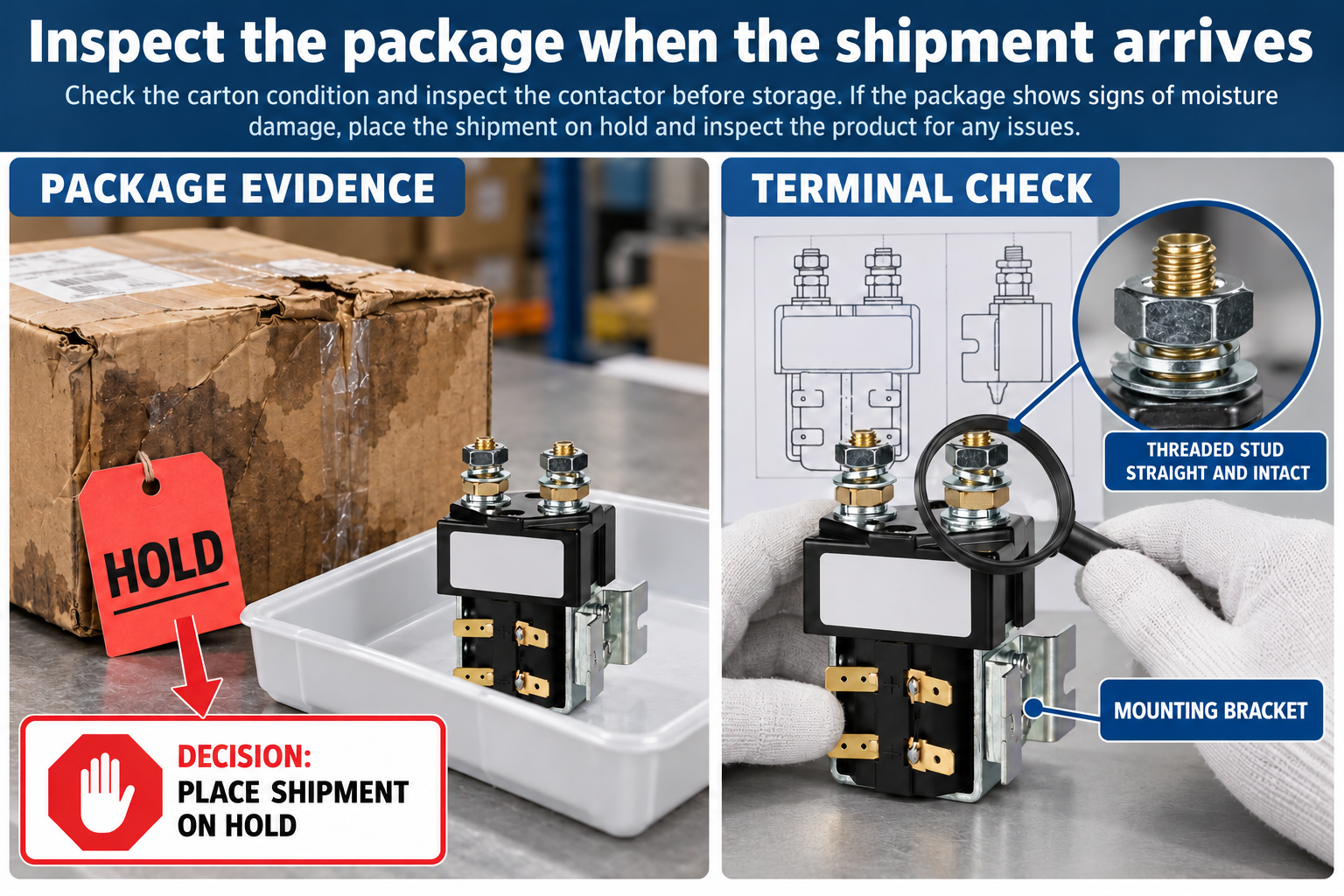
Check the purchase order, model suffix, quantity, drawing revision and lot identification before putting the shipment away. Photograph crushed corners, punctures, water marks, damaged seals or displaced cushioning. Inspect the outer package before removing useful evidence. Record whether damage reaches the inner packaging and whether terminals could have struck the carton or another component.
Keep rejected or uncertain stock physically separate from accepted stock. Do not blend a damaged shipment into an existing bin with the same base model. A wrong coil option can look similar to the correct one, so visual similarity cannot replace identification. If a label is unreadable, preserve the package and seek traceable confirmation. Reprinting an assumed model number creates a more serious inventory problem than holding the part for review.
Control moisture and condensation as separate risks
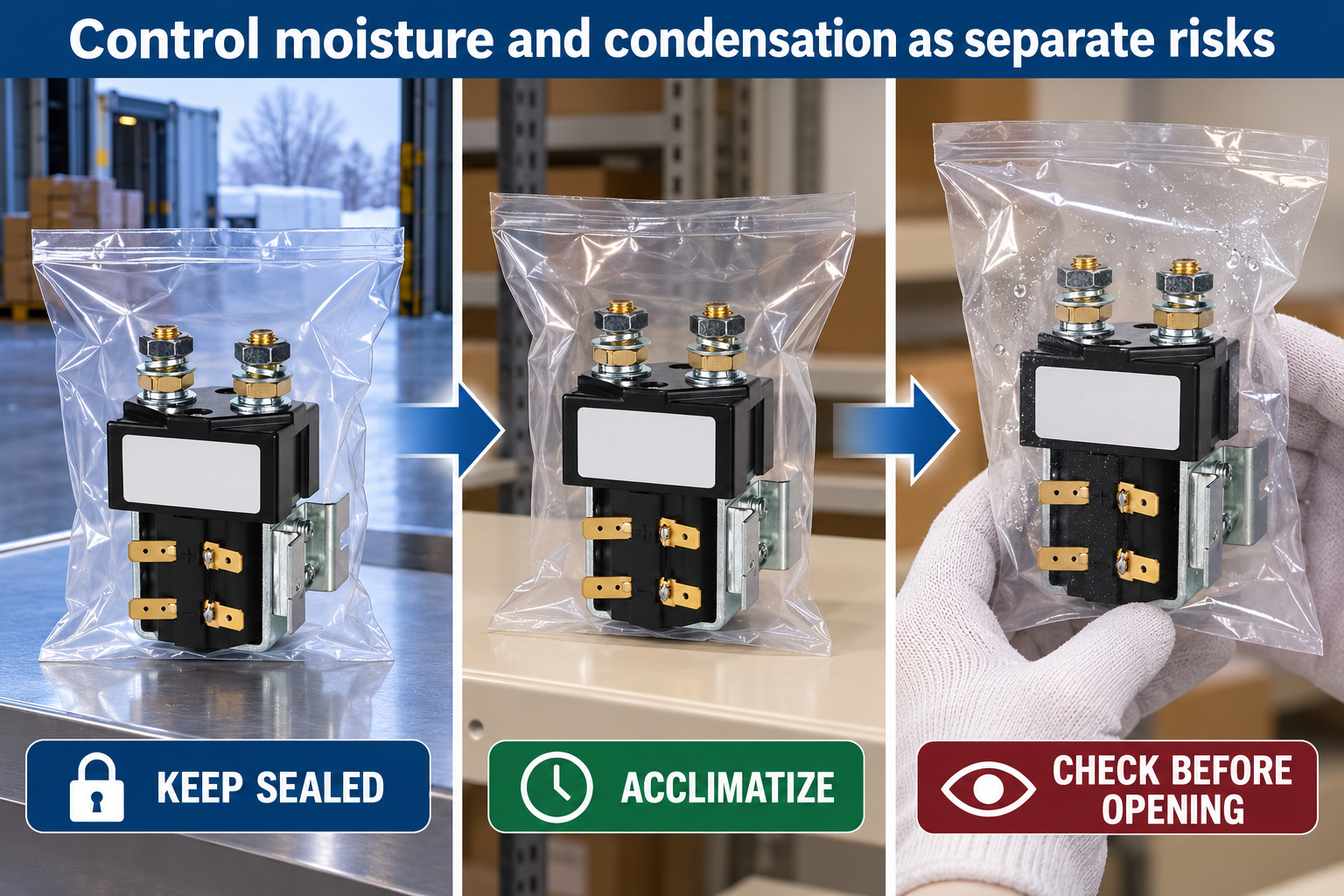
A room can meet its normal humidity target and still create condensation when a cold package is opened in warmer, moist air. Consider the temperature transition as well as the room reading. Establish an acclimatization procedure appropriate to the packaging and manufacturer instructions, and keep the component protected while its temperature equalizes. Do not impose an invented universal waiting period.
Inspect for water ingress, staining, corrosion or contaminated insulation after an excursion. A dry exterior later does not prove that no moisture entered earlier. Avoid attempting to restore uncertain parts with unapproved ovens, heat guns, solvents or compressed air. Such treatment can alter plastics, lubricants, seals or markings and make the original condition harder to assess. Obtain a written disposition from the responsible engineering or supplier team.
Protect terminals and mounting features
Store the product so that its terminals do not carry the weight of the package or receive impacts during picking. Use the specified cushioning and individual separation. Exposed studs, spade tabs and mounting brackets can bend without an obvious crack in the main housing. A terminal that has been straightened by hand may retain hidden damage and should not be silently accepted.
Keep loose metal pieces, machining dust and conductive debris away from bins. Do not place heavy cartons on unapproved packaging, and do not use contactors as supports while arranging shelves. If packaging must change, document the approved replacement arrangement and preserve the original lot identity. A neat bin is useful only when it also protects the actual product.
Define a practical warehouse decision table
Use the following qualitative table as a warehouse process example, not as a numerical product specification. The manufacturer instructions and your approved quality procedure set the acceptance limits. Record the evidence for each decision so that a second reviewer can understand why stock was released or held.
| Пункт обзора | Доказательства для сбора | Decision boundary |
|---|---|---|
| Receipt identity | Match model, suffix, quantity and lot | Hold unidentified or mismatched stock |
| Package damage | Photograph water marks, punctures and displaced cushioning | Quarantine affected units for disposition |
| Environmental excursion | Preserve time, location and available logger records | Request an approved assessment |
| Stock release | Check current drawing and documented inspection | Record authorized release or rejection |
Use stock rotation without inventing shelf life
First-in, first-out helps reduce unnecessary storage time, but it does not establish that the oldest part is still acceptable. Where the supplier specifies a shelf-life or reinspection requirement, apply it to the exact item and packaging condition. Where no duration is given, ask whether extended storage changes inspection or acceptance requirements before issuing stock to a critical build.
Track the date received, the supplier production or lot information when available, and any repacking or environmental events. Keep these separate fields: receipt date is not the same as manufacture date. If a project is delayed, review whether the drawing, approved component option or application requirement has changed. A perfectly preserved obsolete option can still be the wrong part for the current build.
Release stored stock through a controlled inspection
Before installation, compare the part against the current approved model and check the housing, mounting features, terminals and identification. Look for corrosion, deposits, cracks, deformation, missing hardware and evidence of water. Confirm that protective packaging has not trapped debris against insulation. Record the actual observations rather than writing only “looks good.”
Any electrical verification should be specified by qualified personnel and matched to the exact product. Do not apply arbitrary insulation or dielectric test voltages to a component with unknown internal suppression or electronics. Repeated high-voltage testing is not a harmless general inspection method. For installed equipment, establish an electrically safe condition before work; the linked electrical safety regulation explains the required approach to deenergization and verification within its scope.
Handle an environmental excursion with evidence
If a leak, prolonged loss of environmental control or suspected chemical exposure occurs, identify the affected locations and lots before moving stock. Preserve room records, photographs, package observations and the approximate timing. Mark what is known and what remains uncertain. The highest reading on a room logger does not necessarily describe conditions inside every package, but it is relevant evidence for review.
The disposition may be release, additional approved inspection, supplier analysis or rejection. Assign the decision to an authorized role rather than allowing individual pickers to improvise. If the evidence cannot establish that stock remained acceptable, do not turn the uncertainty into a fabricated pass. Document the decision, affected quantity and next action so the same stock does not reappear later as an unidentified spare.
Connect the storage record to the installation record
When a part leaves the warehouse, transfer its model, lot and storage disposition with the build paperwork. Record the assembly or machine receiving it when traceability is required. A component returned from a production line is not automatically equivalent to unopened stock: it may have been mounted, tightened, energized, contaminated or exposed to an incident.
Use a separate return assessment. Keep previously installed units apart from new units unless an approved procedure explicitly allows reuse. For a Sayoon product inquiry, supply the exact model, package condition, time in storage and relevant exposure history. Ask for storage and release guidance for that configuration rather than requesting a blanket assurance for all DC contactors.
Measurement records should describe the measurement
If temperature or humidity logs support your acceptance decision, identify the instrument, location, sampling interval and any gaps. A single handheld reading after an incident cannot reconstruct the earlier environment. Describe uncertainty and distinguish measured conditions from assumptions. The linked NIST guidance explains why measurement traceability involves a documented chain and uncertainty, rather than merely a sticker saying an instrument is calibrated.
Store the final review with the receipt and lot records. This connects a warehouse decision to a specific item and prevents repeated investigation when a production or warranty question arises. The purpose is a defensible release decision, not a large folder of unrelated room readings.
Product and related engineering references
Review the Sayoon CZW100A product information for exact configuration questions. This construction reference does not establish a storage limit, minimum auxiliary load or off-state leakage allowance. Start the broader application review with DC contactor current classes and confirm all remaining specification fields for the actual equipment.
Related guide: DC Contactor Incoming Inspection Checklist.
Related guide: DC Contactor Production Lot Traceability Requirements.
Related guide: Как сервисные команды OEM должны проводить эксплуатацию и техническое обслуживание катушек контакторов?.
Sources and limits
Electrical safety requirements in 29 CFR 1910.333 support the deenergization discussion within their scope. NIST guidance on metrological traceability explains the basis for measurement records and uncertainty. Neither source supplies Sayoon-specific electrical or storage limits.
Educational video: identify the control coil and switched contacts
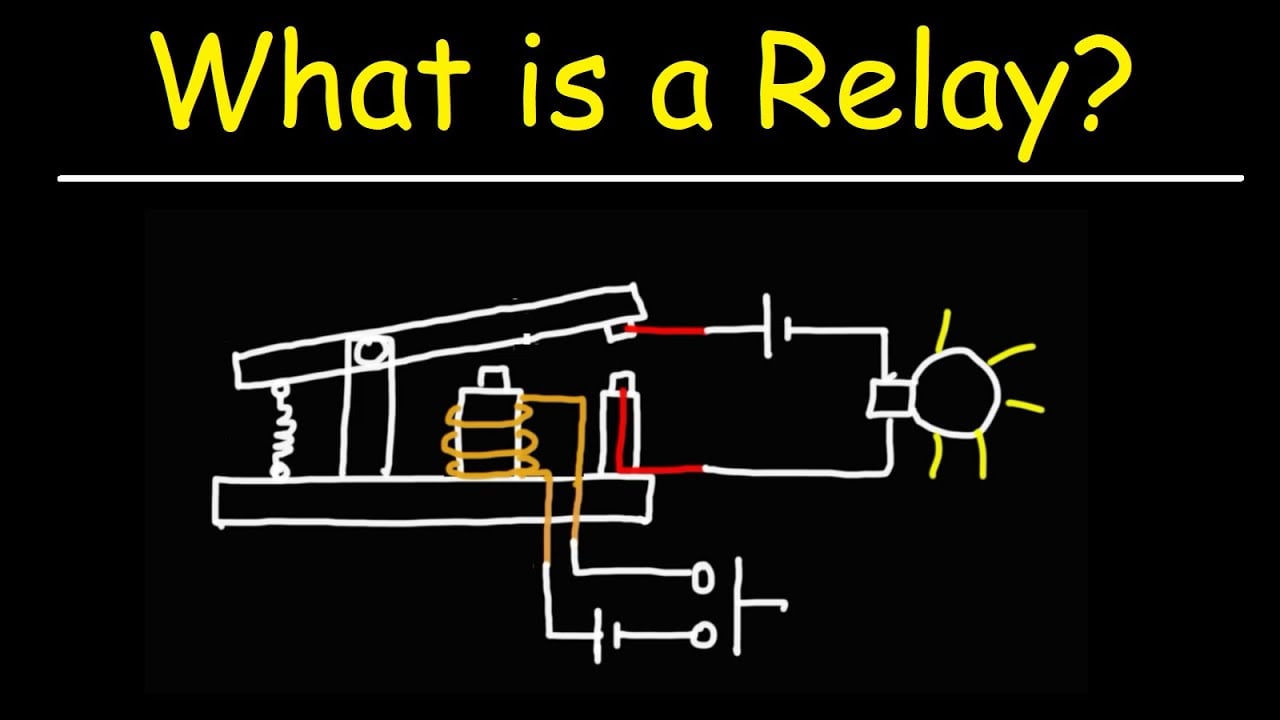
The Organic Chemistry Tutor explains the basic coil and switched-contact relationship. This supports component identification before planning a stored-stock inspection. The lesson does not provide storage conditions, acceptance criteria or permission to energize a device for testing.
Часто задаваемые вопросы
Does a sealed contactor need protected storage?
Yes. Sealing describes a specific construction and rating, not unrestricted warehouse exposure. Follow the exact product and packaging instructions. Keep contamination, impacts and environmental excursions under control, and preserve the information needed for a release decision.
Can operating temperature be used as the storage limit?
Only when the manufacturer explicitly makes that relationship applicable. Otherwise retain separate operating, transport and storage fields and request the missing requirement. Do not convert a familiar operating range into an unsupported storage specification.
Is an unopened old carton automatically acceptable?
No. Review its identity, storage history, packaging condition and current engineering requirements. Apply any published shelf-life or reinspection rule. Stock rotation helps manage age, but it does not replace the acceptance decision for the supplied unit.
Should every stored contactor receive a dielectric test?
No universal repeat-test procedure applies here. Qualified engineering personnel must specify any electrical inspection for the exact construction. Internal electronics and suppression can change what is appropriate. Visual inspection and records do not authorize an arbitrary high-voltage test.