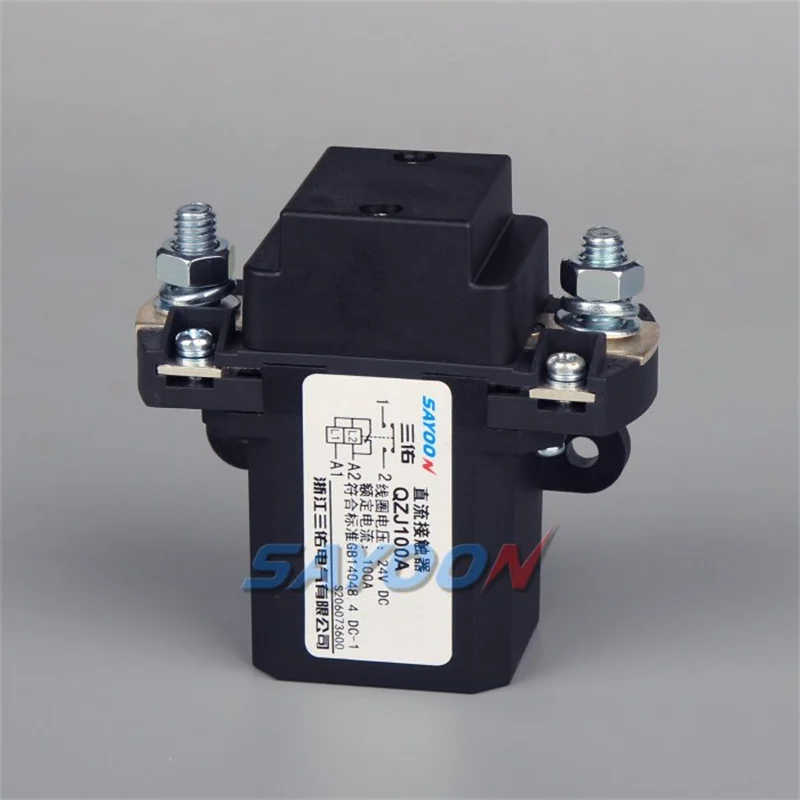
Вариант применения контактора постоянного тока на 84 В находится выше классического рубежа низкого напряжения: классы SZJ (≤60 В) и CZW (≤80 В) не подходят для тяговой шины 84 В, поэтому стандартным решением для низкого напряжения является семейство QZJ с классом контактов ≤150 В — модели QZJ100A, QZJ200A и QZJ400A рассчитаны на токи ветвей 100–400 А, в то время как со стороны катушки требуется точность для каждого конкретного артикула (SKU), поскольку напряжение 84 В присутствует в списке катушек QZJ200A, в то время как другие списки QZJ заканчиваются на 96 В и т. д. и требуют подтверждения путем запроса цен (RFQ).
Эти примечания по вариантам использования служат для OEM-производителей и автопарков, использующих тяговый привод с повышенным напряжением, который стоит на ступень выше классических 72-вольтовых систем. Семейный дом — это Контакторы постоянного тока серии QZJ столп, и каждое утверждение ниже цитирует опубликованную строку.
Часть 1. Где применяются контакторы постоянного тока 84 В в тяговом подвижном составе?
Ан Контактор постоянного тока на 84 В Вариант использования обозначает ступень повышенного напряжения в промышленной тяге: тяжелые гольф-кары и хозяйственные машины, буксирные тягачи, более крупные тележки для поддонов и специализированный транспорт, чьи аккумуляторные батареи перешагнули за 72 В ради большей мощности, не покидая при этом мир компонентов низкого напряжения.
Стрелочные переводы повторяют тяговую схему — подключение батареи, питание ходовой ветви тяговый электродвигатель контроллер, насос и вспомогательные ответвления — но каждое из них теперь оснащено шиной, которая вышла за рамки наиболее распространенных классов низковольтных контакторов.
| Сценарий использования 84 В | Задействованные стрелочные переводы | Задан вопрос по классу |
|---|---|---|
| Парки коммунальных и гольф-машин | Подключение батареи + ветка привода | Шина превышает классы 80 В |
| Буксирные тягачи | Тяговые и гидравлические ветви | Большие токи в ветвях |
| Программы модернизации с 72 до 84 В | Каждая повторно используемая стрелочная переводная точка | Устаревшие детали не соответствуют классу |
| Специализированные легкие электромобили | Стрелочные переводы компактного типа | Класс плюс монтажные ряды |
Ступенька ниже уже транслируется в прямом эфире в Выбор контактора 72 В постоянного тока для AGV руководство.
Часть 2. Почему шина 84 В выходит за рамки классических классов низковольтных контакторов?
Опубликованные крышки делают аргумент безарифметическим. Семейство SZJ публикует контактное напряжение ≤60 В, и основные классы CZW публикуют ≤80 В — шина напряжением 84 В превышает оба значения до учета пика зарядки.
| Опубликованный класс | Семейные доказательства | Приговор 84 В |
|---|---|---|
| ≤60 В | серии SZJ100A–SZJ800A | Исключено |
| ≤80 В | Ряды класса CZW100A | Исключено |
| ≤150 В | Семейные ряды QZJ | Содержит 84 В с запасом по напряжению |
Зарядка поднимает реальное значение ещё выше, что подкрепляет тот же вывод: зафиксируйте максимальное напряжение, которое видит точка срабатывания, и потребуйте, чтобы класс охватывал этот максимум. Класс QZJ со значением ≤150 В уверенно выдерживает этот запас по напряжению; исключенные классы в него даже не попадают.
Часть 3. Какие опубликованные ряды QZJ несут тяговые шины 84 В?
Лестница QZJ публикует три класса, которые соотносятся с размерами ветвей повышенного напряжения.

| Поле «Опубликовано» | QZJ100A | QZJ200A | QZJ400A |
|---|---|---|---|
| Напряжение прикосновения | ≤150 В | ≤150 В | ≤150 В |
| Текущая нагрузка | 100 А | 200 А | 400 А |
| Мощность катушки | Старт: 35–65, Оставить: 2–5 | Старт: 35–65, Оставить: 2–6 | Начало: 35–65, Сохранить: 3–8 |
| Загрузить терминал | Винт М6 | Винт М8 | Винт M10 (≤20,5 Н·м) |
| Линия разлома | 800 А / 5 мс | 1000 А / 5 мс | 1500 А / 5 мс |
| Жизнь гребет | 20 000 / 300 000 опер. | 20 000 / 300 000 опер. | 20 000 / 300 000 опер. |
С таблицей поставляются два информационных примечания. Архитектура катушки Start/Keep поддерживает энергопотребление в режиме ожидания на уровне единиц ватт, что удобно для аккумуляторных транспортных средств, в то время как цепь питания управления должна выдерживать пусковой этап мощностью 35–65 Вт; а схема выводов (от M6 до M10) определяет конфигурацию шин и план использования динамо-инструмента для каждого ответвления.
Часть 4. Как следует планировать катушки 84 В и контрольные рельсы?
Проектирование катушек на 84 В требует точности для каждого артикула (SKU), поскольку опубликованные списки различаются внутри одного семейства. Список катушек QZJ200A включает 84 В в качестве дискретного значения; списки QZJ100A, QZJ400A и QZJ600A выполняются 6В, 12В, 24В, 36В, 48В, 60В, 72В, 96В и т.д. — нет в списке 84 В, с и т.д., оставляя подтверждение за инженерным отделом.
Флоты поэтому выбирают между двумя опубликованными стратегиями очистки рядов.
- Питайте катушки напрямую от шины 84 В только для тех артикулов (SKU), в список которых входит 84 В, или после того, как инженерный отдел подтвердит сборку за пределами и т. д.
- Запитайте все катушки от нижней управляющей шины — 24 В или 48 В указаны для каждого упомянутого артикула — и стандартизируйте запас катушек парка оборудования.
| Стратегия койлов | Статус опубликованной строки | Последствия для флота |
|---|---|---|
| 84 В напрямую на QZJ200A | Указанное значение | Чистая проводка с однополярным питанием |
| 84 В напрямую на QZJ100A/400A | Пункт подтверждения (список заканчивается на 96V и т.д.) | Запрос коммерческого предложения (RFQ) должен согласовываться с инженерным отделом |
| Нижняя направляющая для всех катушек | Перечисленные значения везде | Один вид рулонного металла для разных товарных позиций |
Часть 5. Как программы модернизации с 72 В используют этот обзор класса?
Программы модернизации — перевод 72-вольтовых погрузчиков на 84-вольтовые АКБ — наследуют каждую точку коммутации и требуют повторного проведения классификационного анализа для каждой из них. Обсуждения на форумах отказов после модернизации обычно указывают на повторно используемую деталь на напряжение ≤80 В, параметры которой новая шина незаметно превышает.
Последовательность проверки носит механический характер. Перечислите каждую позицию контактора, выпишите опубликованный класс контактов установленной детали, сравните с новым задокументированным максимумом и замените все, чей класс больше не включает шину — как правило, на соответствующий амперный класс QZJ. Общий метод остается прежним Ключевые факторы выбора контактора постоянного тока дисциплина, применяемая к каждой конкретной позиции.
| Обновить шаг проверки | Ввод | Выход |
|---|---|---|
| Инвентаризация позиций | Схема электропроводки автомобиля | Полный список стрелочных переводов |
| Аудит класса | Таблицы установленных деталей | Вердикты о прохождении / замене |
| Таблица подстановки | Опубликованные строки QZJ | Класс усилителя на позицию |
| Перепланирование рулона | Стратегия катушки из Части 4 | Подтвержденные коды катушек |
Часть 6. Какие модели SAYOON закрепляют тяговый запрос цен (RFQ) на 84 В?
Рекомендация продукта: якорные магистральные тяговые ответвления на 84 В Контактер постоянного тока нормально разомкнутый QZJ200A — опубликованный класс ≤150 В удерживает шину с запасом, линия 200 А покрывает типичные ветви приводов, катушка Start 35–65 / Keep 2–6 Вт подходит для аккумуляторных транспортных средств, а 84 В присутствует в опубликованном списке катушек.
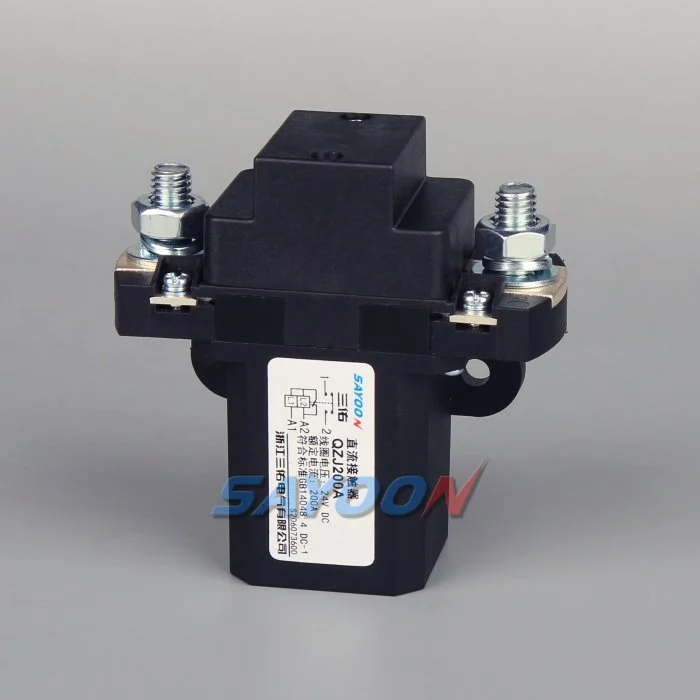
Почему бы не другие строки без отзыва: QZJ100A несет более легкие ветви и Постоянно разомкнутый контактор постоянного тока QZJ400A перевозит тяжелые, но оба публикуют списки катушек, заканчивающиеся на 96 В и т. д., что делает катушки на 84 В подтверждаемым элементом; автобусы, поднимающиеся выше класса ≤150 В, переходят в герметичные семейства SEV и HEV.
Подогнать по границе: Каждый ответ QZJ ограничен опубликованным классом ≤150 В и токовыми линиями для каждого SKU; ни одна из этих деталей не устраняет неисправности; а наличие катушки при напряжении 84 В должно быть подтверждено везде, где это не указано в опубликованном списке.
Для подтверждения программы, пришлите ваш рабочий лист для шины 84 В с номинальным и максимальным напряжениями, токами ветвей и стратегией обмоток.
Часть 7. Какие 84 ошибки напряжения всплывают в автопарках с повышенным напряжением?
- Повторное использование деталей на напряжение ≤80 В при модернизации с 72 до 84 В и обнаружение того, что класс превышен.
- Предполагая, что катушки на 84 В существуют для каждого артикула QZJ, вместо того чтобы читать каждый опубликованный список.
- Выбор номинального напряжения 84 В без фиксации максимального значения напряжения заряда.
- Пропуск аудита классов по позициям во время обновлений.
- Стратегии смешивания змеевиков в рамках всего парка и удвоение запаса запасных частей.
- Игнорирование моментов затяжки резьбовых соединений М10 на клеммах тяжелых ответвлений.
- Вытеснение класса ≤150 В в сторону шин, которые уже относятся к герметичным высоковольтным семействам.
Ссылки
Часто задаваемые вопросы
Где применяется контактор постоянного тока на 84В?
Тяговый привод на повышенное напряжение: тяжелые гольф-кары и машинытилиты, буксирные тягачи и специальный транспорт с аккумуляторными батареями выше 72 В, а также любые программы модернизации, переводящие 72-вольтовое оборудование на 84 В.
Какой из опубликованных классов содержит шину 84 В?
Контактный класс ≤150 В семейства QZJ. Классы SZJ ≤60 В и CZW ≤80 В исключаются еще до подсчета пиков зарядки.
Является ли 84 В опубликованным значением катушки SAYOON?
Для каждого артикула: список катушек QZJ200A включает 84 В, в то время как списки QZJ100A, QZJ400A и QZJ600A доходят до 96 В и т. д. — для них катушка 84 В является позицией, требующей подтверждения запроса котировок (RFQ).
Может ли система, рассчитанная на 72 В, выдержать модернизацию до 84 В?
Только те компоненты, чей опубликованный класс содержит новое задокументированное максимальное значение, переживают обновление. Каждая позиция контактора требует аудита классов, и детали, превышающие нормы, подлежат замене.
Какие классы усилителей выпускает семейство QZJ?
Упомянутая линейка включает номиналы на 100 А, 200 А и 400 А, а также от 600 А и выше — причем для каждого артикула (SKU) предусмотрены собственные ряды характеристик контактных выводов, отключающей способности и срока службы в классе ≤150 В.
Какие вопросы о запасе высоты (headroom) относятся к обзору 84V?
Задокументируйте номинальное и максимальное напряжение (включая зарядку) и требуйте, чтобы опубликованный класс охватывал максимум. Класс ≤150 В существует именно для этого обсуждения.
Где на этом сайте следует начать РФК на 84 В?
Начните с опоры серии QZJ, нанесете токи ветвей на опубликованную схему лестницы, затем отправьте рабочий лист шинопровода через контактную страницу для подтверждения.