DC contactor auxiliary signal review starts by identifying what the signal represents in the installed circuit. Record the terminal designation, drawing-defined function, logic condition, observation source, and installed-device reference before treating the signal as a service or selection conclusion.
An auxiliary indication can be useful evidence, but it does not automatically describe every condition in the main path. A clear record gives an engineering reviewer the context needed to ask the next question without converting one signal into an unsupported diagnosis.
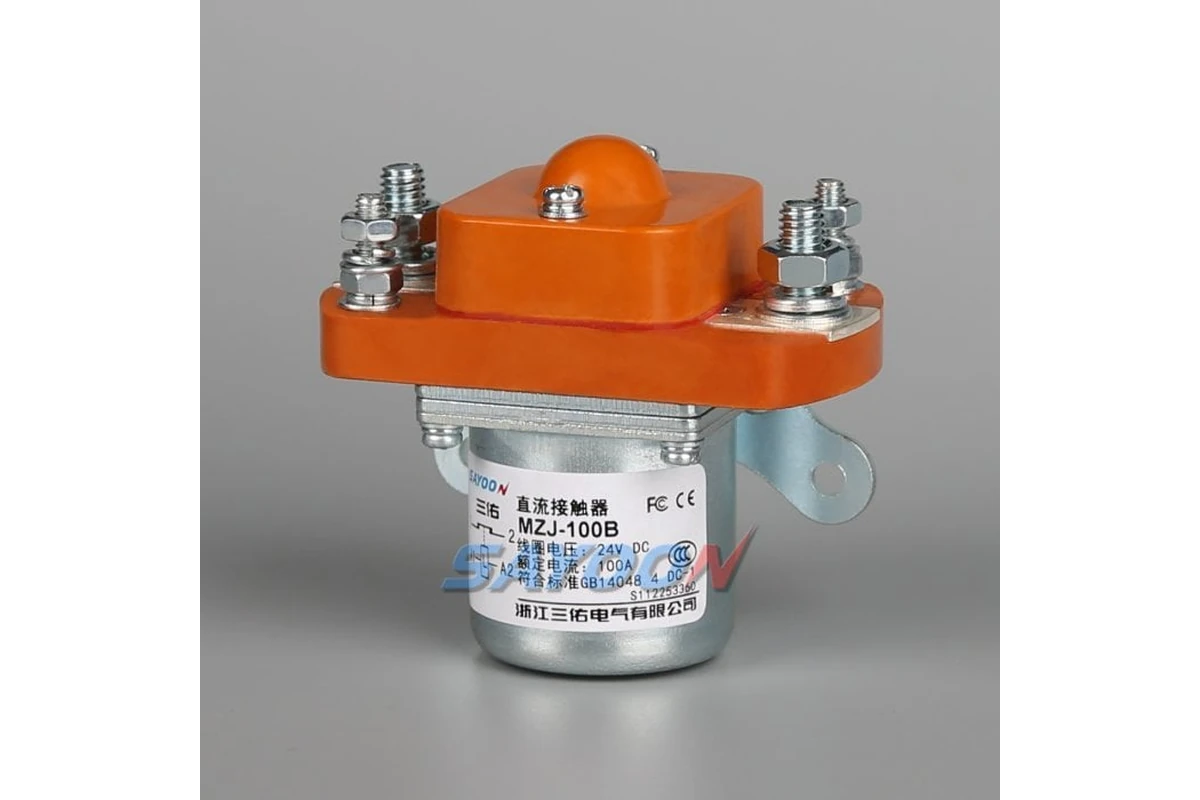
Part 1. What should be controlled before reviewing a signal?
Use the approved site process for isolation, verification, and authorized work before inspecting equipment. A visible indication does not establish that control, main-path, stored-energy, or auxiliary sources are safe to approach. OSHA energy-control and electrical-work references provide the general safety context; the responsible site procedure defines the actual work boundary. (Управление опасными факторами OSHA, Правила OSHA по электробезопасности при проведении работ)
First decide whether the record comes from an approved observation, an event log, or a permitted test step. Then identify the drawing revision that defines the circuit rather than relying on a terminal label alone.
Важно: Do not touch terminals, force the mechanism, or create repeat commands solely to obtain a signal indication. Establish the approved site safety boundary before inspection. Source: Управление опасными факторами OSHA.
Part 2. What makes an auxiliary signal record useful?
A useful record says what was observed and what the installed design says that observation represents. It keeps an indication, a drawing-defined function, and an assumption in separate fields so the reviewer can see where evidence ends.
| Record element | Захват | Рассмотреть значение |
|---|---|---|
| Signal reference | Terminal label or identified signal name | Ties the note to a specific installed point. |
| Observation condition | Command, event, or system state present at the time | Preserves the context in which the signal was seen. |
| Источник доказательств | Approved observation, controller record, or labelled image | Shows how the statement was obtained. |
| Рефференс для рисования | Relevant sheet and revision | Defines the intended logic role. |
Write the observation in descriptive language. For example, note that an identified indication changed during a recorded command condition, instead of stating that the device or every main contact is proven to have changed state.
Part 3. Which drawing details give the signal meaning?
Use the installed drawing to identify the intended logic or interlock role of the signal. Include the related command condition, the equipment location, and the device marking in the record. The drawing, rather than a generic online terminal diagram, establishes what the signal is expected to represent in that assembly.
For terminology only, consult the related Руководство по конфигурации нормально разомкнутых (НО) и нормально замкнутых (НЗ) контактов и Руководство по выводам катушек A1 и A2. Neither page replaces the installed drawing or exact product documentation.
Part 4. How should observation and signal evidence be compared?
Compare the observed signal with the drawing-defined condition, and record both sides of the comparison. This keeps the review focused on what was actually observed instead of on a presumed device state.
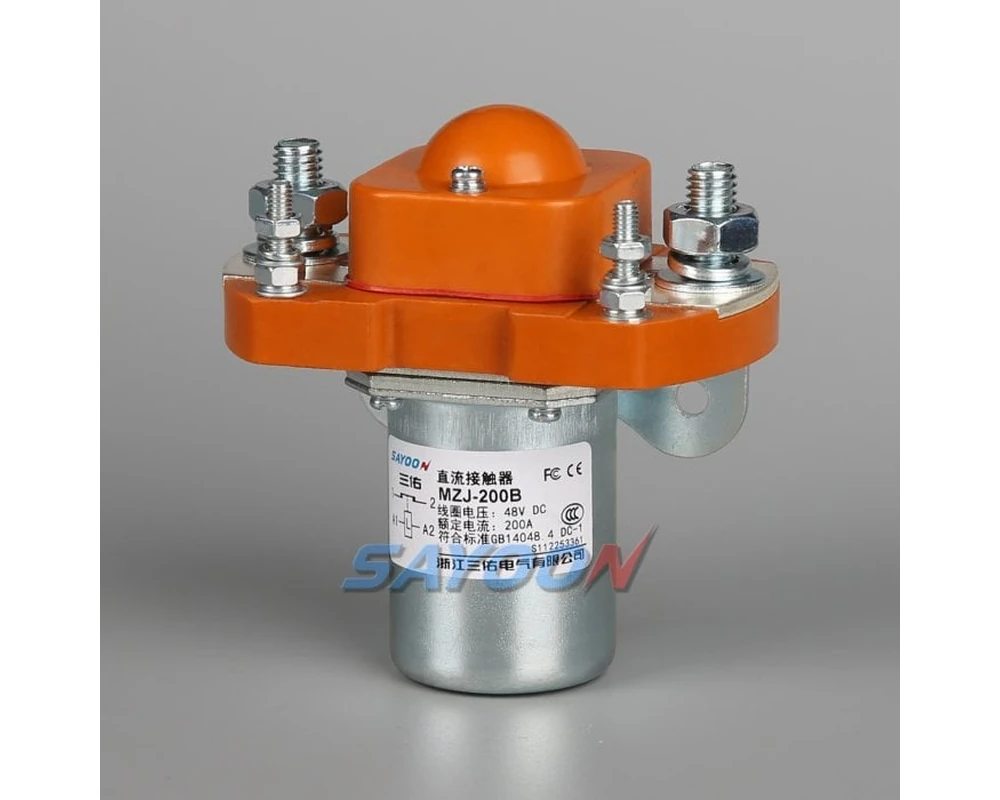
| Observation statement | Сочетайте это с | Не заключайте |
|---|---|---|
| An identified signal changed | The recorded command state and drawing reference | That every main contact changed in the same way. |
| A signal remained unchanged | The expected logic role and observation conditions | A specific coil, contact, or controller fault. |
| An interlock was present | The stated design function | That an unrecorded path is safe or open. |
| A signal was unavailable | The exact point and record source | That the installed device is unsuitable. |
Ан руководство по учету установленных устройств can help preserve the device marking and circuit location alongside the signal note.
Part 5. What should not be inferred from the signal?
Do not infer an exact main-contact condition, a complete load-path condition, a rating, or a failure cause from one auxiliary indication. The signal may have a useful role in a particular logic sequence, but the installed drawing, product documentation, and authorized evidence define what can be concluded.
Likewise, do not infer a terminal arrangement from a product image or equate a similar label with the same function in another panel. Preserve the signal record so that the relevant documentation can be checked against the actual assembly.
Part 6. When does the record need more evidence?
Request more evidence when the terminal is not clearly identified, the drawing revision is missing, the observed command condition is unknown, or the signal’s intended role cannot be located. A signal record is incomplete when it contains a statement of state without the circuit context that gives the statement meaning.
Treat an auxiliary indication as an input to review, not a standalone model-selection, release, or replacement decision. Stop at that boundary and obtain the missing drawing, device, or application evidence.
Part 7. How should the record be sent for review?
After the evidence record is complete, SAYOON’s Линейка продукции контакторов постоянного тока может поддерживать поиск семьи, включая Линия контакторов постоянного тока CZW и Линия контакторов постоянного тока SZJ. These are review destinations, not a recommendation of one model.
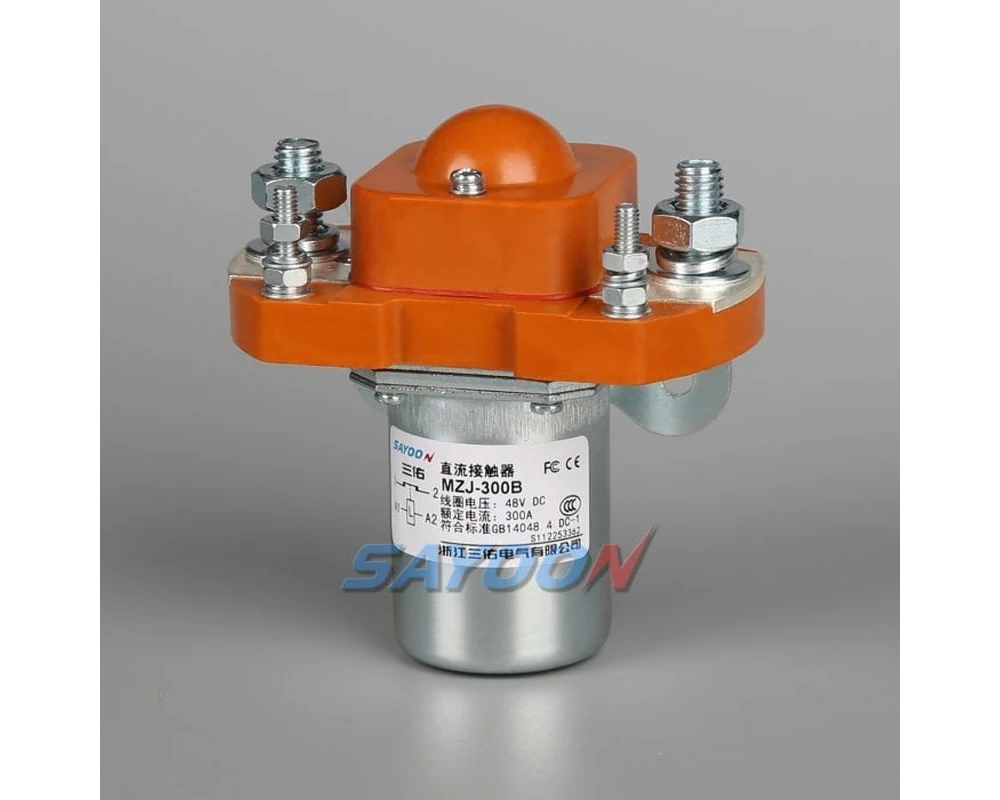
| Запрос коммерческого предложения: исходные данные / Покупатель должен предоставить | Почему это важно | Избегайте этого сокращения |
|---|---|---|
| Device marking and equipment location | Identifies the installed item and circuit position | Naming a similar-looking product only. |
| Drawing sheet and revision | Defines the signal’s intended role | Sending a terminal label without logic context. |
| Signal reference and observation condition | Lets the reviewer relate evidence to an event | Stating only that the signal was on or off. |
| Required application function | Frames the technical question | Asking for a replacement from one indication. |
When those inputs are available, send the auxiliary-signal record for review with the relevant application and documentation context.
ЧЗВ
What is an auxiliary signal on a DC contactor?
It is an identified indication or contact-related signal used in the installed control or interlock logic. Its meaning must be taken from the actual drawing and product documentation.
Подтверждает ли вспомогательный сигнал, что главные контакты замкнуты?
No. Record what the signal represents in the installed circuit, but do not use it as proof of every main-contact or load-path condition.
Should the signal be described as NO or NC?
Use the exact terminal identification and drawing-defined function. Generic terminology can support communication, but it does not replace the installed-circuit evidence.
Why is the drawing revision needed?
The drawing revision links the signal to its intended logic role and helps the reviewer avoid interpreting a terminal label in isolation.
Can a product photo identify the correct signal function?
No. A product photo may show a device form, but it cannot establish the function of the signal in a specific panel or application.
Что должно быть включено в запрос котировок (RFQ)?
Include with the RFQ the device marking, equipment location, drawing sheet and revision, identified signal reference, observation condition, required application function, and any approved event record.
Ссылки
- OSHA’s energy-control rule provides the general isolation boundary cited in Part 1.
- Требования OSHA к проведению электротехнических работ support the safety context for the same section.