DC contactor test laboratory internal audit evidence helps a buyer assess whether the laboratory checks its own processes and follows up identified weaknesses. Review the audit scope, relevant activities, objective findings, corrective actions and evidence of follow-up. An audit completion date alone does not show that the method used for your contactor was examined or that a reported problem was resolved. This is a review of laboratory management-system evidence, distinct from auditing a contactor manufacturer’s factory or deciding whether an individual test result proves product conformity.
Start with the buyer’s evidence need
Define why internal audit information matters to the order. The concern might be a repeated report correction, a change in test equipment, a newly introduced method or uncertainty about a remote testing location. A focused question allows the laboratory to provide useful evidence without disclosing its entire management system. Ask how the relevant activity was covered and how any significant finding affects the work requested for your samples.
Identify the contactor variant, test characteristic, method revision and performing location. If a report includes several activities, distinguish which were performed internally and which were outsourced. An audit of the administrative office may not answer a question about a switching test performed at another facility. Keep this scope discussion connected to the actual purchase rather than collecting audit certificates as a general impression of supplier quality.
Understand what an internal audit can establish
An internal audit evaluates selected activities against defined criteria using evidence. It can identify whether a process is followed, whether records support a decision and whether improvements are needed. It is not a repeat of every measurement and does not convert a limited laboratory scope into product certification. The audit conclusion must be interpreted within the stated coverage, criteria and evidence available to the auditor.
UNIDO’s ISO/IEC 17025 implementation guide explains internal auditing within laboratory management. CALA’s application document provides additional program-specific directions. The latter includes intervals and coverage expectations for its own accreditation program; these must not be generalized to every laboratory or every contactor test. Ask the provider to identify the requirements that actually apply to its system and the audit program being described.
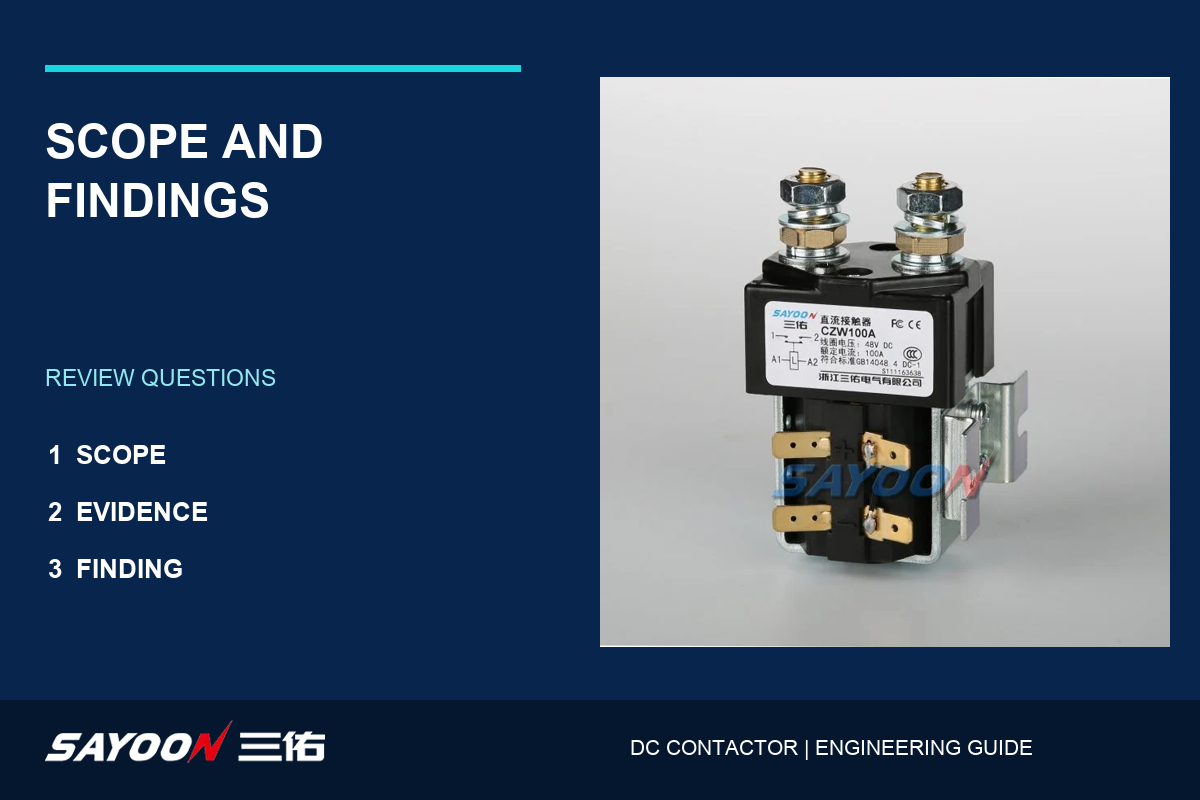
Request a scoped audit summary
| Trường bằng chứng | Thông tin cần thiết | Mục đích xem xét |
|---|---|---|
| Coverage | Method, location and pathway | Relate the audit to requested work |
| Finding | Criterion and objective evidence | Understand technical significance |
| Hành động | Response, owner and implementation | Distinguish correction from recurrence control |
| Follow-up | Effectiveness and remaining limits | Record a scoped purchase decision |
Planning checklist based on the scoped technical reference and the applicable purchase documents; no universal acceptance limits are implied.
A useful summary identifies the relevant period, audited activity, criteria, coverage, findings and follow-up status. It can be a controlled extract or an authorized statement rather than a complete confidential report. For a purchasing decision, the key question is whether the information addresses the laboratory activity of concern and shows how significant issues were handled. A heavily redacted document can still be useful if those connections remain clear.
Avoid demanding unrelated customer data, employee assessments or proprietary fixture designs. Agree a proportionate disclosure method, such as a technical discussion or an appropriately scoped confirmation. If the laboratory cannot disclose a specific record, ask what alternative evidence can answer the concern. Record the resulting limitation; do not label an undisclosed record as either proven satisfactory or automatically nonconforming.
Compare coverage with the actual test pathway
Follow the sample from receipt through preparation, test execution, data processing, review and report issue. Identify where the relevant risk arises. A sample identity concern calls for different audit coverage from a question about calculation software or instrument status. Ask how the audit program covers the pathway and whether the most relevant interfaces were included in the selected audit work.
For DC contactor testing, a buyer may need confidence that the agreed circuit conditions remain connected to the sample and final report. Audit evidence could address how those requirements are transferred, checked and recorded. This does not prescribe a universal test circuit or require the buyer to design the laboratory’s audit. It provides a practical way to see whether the stated coverage relates to the evidence being purchased.
Examine objective findings and their significance
A finding should connect a criterion with an observed condition and supporting evidence. Statements such as documentation could improve are difficult to evaluate without knowing the affected activity and consequence. Ask for enough detail to understand whether the issue could influence sample identity, measurement validity, data integrity or report interpretation. The level of detail should be proportional to the purchasing risk and the agreed disclosure arrangement.
Do not equate a finding count with laboratory quality. Several minor findings in a thorough audit may be more informative than a clean summary with unclear coverage. Conversely, an unresolved significant problem may warrant further review even if it is the only finding. Focus on the nature of the issue, the evidence supporting the response and the relationship to the work required for the contactor order.
Distinguish correction from sustained corrective action
Correcting an isolated record may resolve the immediate discrepancy. Corrective action addresses the conditions that allowed the problem and should be followed by appropriate evidence that the response works. Ask which steps were necessary for the identified issue. Do not demand an elaborate root-cause exercise for every editorial change, but do not accept a replaced document as sufficient evidence when the same technical error repeatedly occurs.
For example, a report review checklist may be revised after a recurring sample-description error. Useful follow-up could show that the revised process was implemented and that relevant later records were checked. This is an illustrative workflow, not a claim about an actual laboratory or SAYOON incident. The buyer should seek the provider’s real evidence rather than copy an example response into a purchasing acceptance file.
Check who reviews the audit response
Ask how audit responsibilities are assigned and how objectivity is maintained in the relevant review. Small laboratories may use different arrangements from larger organizations. The practical questions are whether the reviewer is competent for the activity, whether the findings can be raised without improper pressure and whether the response is evaluated against evidence. An impressive job title does not answer these questions by itself.
Where outside support is used for auditing, identify the laboratory’s retained responsibility and the agreed scope. An external auditor does not automatically make every conclusion independent of all interests, nor does an internal auditor automatically lack objectivity. Review the arrangement that applies to the specific activity. Keep the inquiry factual and avoid unsupported allegations about individuals or organizations based on limited organizational information.
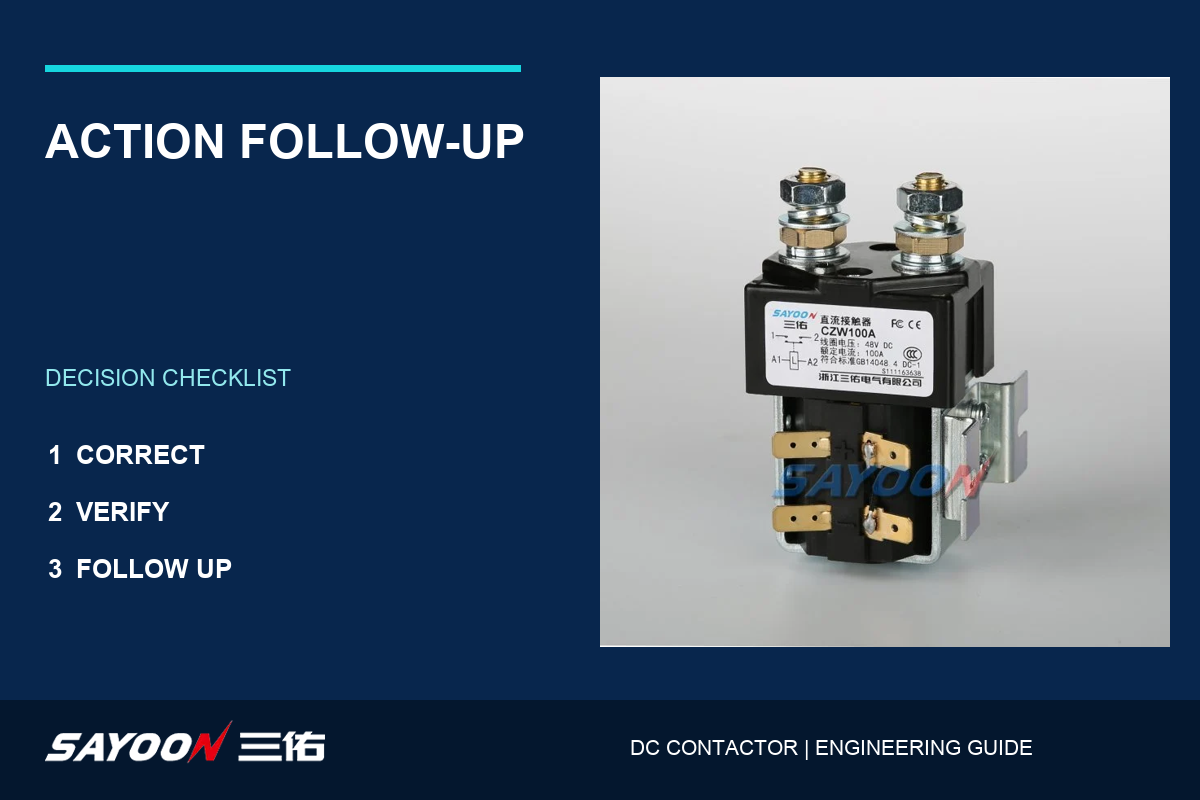
Relate unresolved issues to the current purchase
An open audit action needs a clear disposition for the requested work. Ask whether the activity continues, whether interim controls apply and whether any previously issued result requires review. A buyer should not infer permission to use questionable evidence merely because the action has a future due date. The responsible technical team should explain what can currently be relied upon and what remains conditional.
Document the purchasing response separately. Engineering may accept a limited activity with additional evidence, request clarification, defer a decision or choose another suitable provider. The chosen response depends on the applicable requirements and the effect of the issue. Internal audit information supports that judgment; it does not replace checking the laboratory’s actual scope, the test request or the reported contactor conditions.
Build a proportionate review record
Keep a short index of the provider, activity, audit evidence received, important findings, action status and decision owner. Identify the documents that support the conclusion and the date on which the review was made. If the summary covers only part of the requested activity, say so. This allows a later buyer or engineer to understand the limits without reopening an entire correspondence history.
cURL Too many subrequests by single Worker invocation. To configure this limit, refer to https://developers.cloudflare.com/workers/wrangler/configuration/#limits.
Video giáo dục
IAFandILAC explains the role of ILAC and laboratory accreditation in supporting confidence in results; it is general background, not a tutorial for this specific management process or proof of any provider accreditation. This educational background does not assess a particular contactor or approve an equipment design.

Các câu hỏi thường gặp
cURL Too many subrequests by single Worker invocation. To configure this limit, refer to https://developers.cloudflare.com/workers/wrangler/configuration/#limits
No. They involve different responsibilities and scopes. Review the actual evidence and applicable requirements rather than treating an internal audit summary as proof of accredited competence for a particular test.
cURL Too many subrequests by single Worker invocation. To configure this limit, refer to https://developers.cloudflare.com/workers/wrangler/configuration/#limits
Not necessarily. A scoped summary, authorized extract or technical discussion may answer the purchasing question while protecting unrelated confidential information. Record any limitation that affects the decision.
Does a clean audit prove the contactor passed testing?
cURL Too many subrequests by single Worker invocation. To configure this limit, refer to https://developers.cloudflare.com/workers/wrangler/configuration/#limits.
cURL Too many subrequests by single Worker invocation. To configure this limit, refer to https://developers.cloudflare.com/workers/wrangler/configuration/#limits
No. The cited CALA document states requirements within its own program. Identify the provider's applicable scheme and current requirements before drawing conclusions about its audit timing or coverage.
Hướng dẫn sản phẩm và các hướng dẫn liên quan
Thảo luận về ứng dụng sử dụng Contactor DC Thường Mở CZW100A và Hướng dẫn lựa chọn khởi động từ DC (contactor DC). Đọc thêm liên quan: Chứng nhận phòng thí nghiệm Contactor DC: Xác minh phạm vi, Cách xem xét báo cáo thử nghiệm tiếp điểm DC.
Tài liệu tham khảo kỹ thuật
- UNIDO: ISO/IEC 17025 implementation guide
- cURL Too many subrequests by single Worker invocation. To configure this limit, refer to https://developers.cloudflare.com/workers/wrangler/configuration/#limits
Áp dụng từng tài liệu tham khảo trong phạm vi đã nêu. Các phương pháp chung không xác lập xếp hạng sản phẩm hoặc chấp nhận dự án.