DC contactor sample requests are most useful when they state a review purpose rather than merely ask for a part. Record the requested identity, project references, evidence required, intended evaluation context, and the open question for the supplier.
This creates a reviewable enquiry without turning a sample request into an availability promise or a production-release decision.
Part 1. What does a sample-request record control?
A controlled sample request tells the receiving team what item and question are being discussed. It keeps the buyer’s project context beside the request instead of relying on a broad product name.
The drawing-revision RFQ review is useful where the sample question depends on a named drawing issue.
Part 2. Which identity references belong with the request?
Start with the buyer’s internal reference, any stated product or family wording, and the drawing or application reference available for the project. Preserve unknown fields as questions rather than filling them from a similar device.
| Request reference | Buyer should record | Review value |
|---|---|---|
| Requested identity | Exact wording used in the enquiry | Keeps the supplier response tied to the request. |
| Project reference | Drawing, application, or assembly context | Explains why the sample is being considered. |
| Evidence requested | Document, visible marking, or defined clarification | Limits the expected response. |
| Open item | What still needs confirmation | Avoids a hidden assumption. |
Part 3. How should the review purpose be stated?
For an OEM programme, say whether the request is for documentation review, a project discussion, an identity check, or another stated purpose. A purpose describes the enquiry; it does not declare that a sample has passed an evaluation.
The application-context guide can keep the project role clear without converting it into a compatibility claim.
Part 4. What is evidence and what remains open?
Evidence is the material actually supplied with the request, such as a controlled drawing reference or a visible identification record. Availability, result, product fit, and any approval remain questions until the responsible party confirms them.
Important: Do not describe a requested sample as approved, production-ready, or suitable merely because an image or an observation was supplied. The EEVblog contactor discussion illustrates why reported evidence and final conclusions should remain separate.
Part 5. What does a sample request not establish?
Unlike a completed supplier response, a buyer’s request does not establish stock status, commercial terms, quantity acceptance, testing outcome, certification, or product compatibility. Those subjects need an explicit response supported by the applicable records.
The compliance-document review can help when a buyer also needs to define a document request.
Part 6. When should the request return for clarification?
Return the request when the intended item, project reference, review purpose, evidence requested, or supplier question is unclear. A request that only says “send a sample” is not a bounded review instruction.
Use clarification to make the enquiry finite, not to create unverified technical or commercial conditions.
Part 7. How should the request reach supplier review?
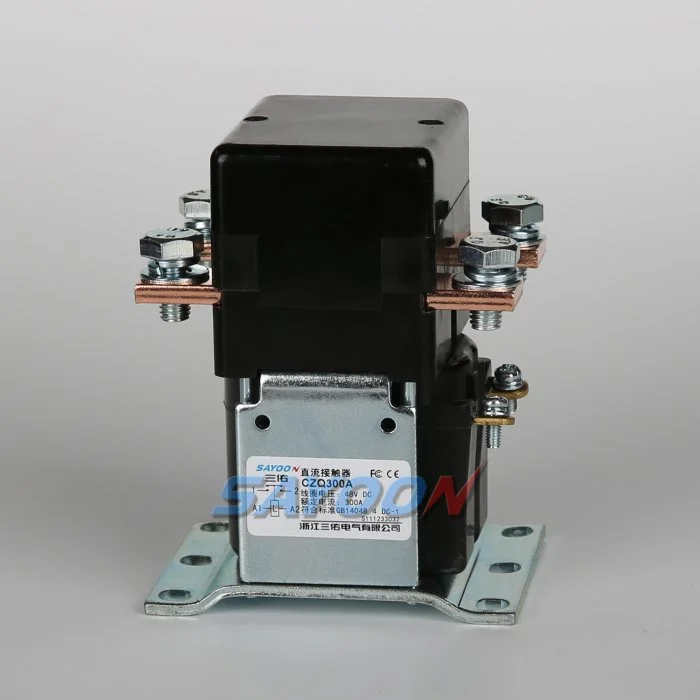
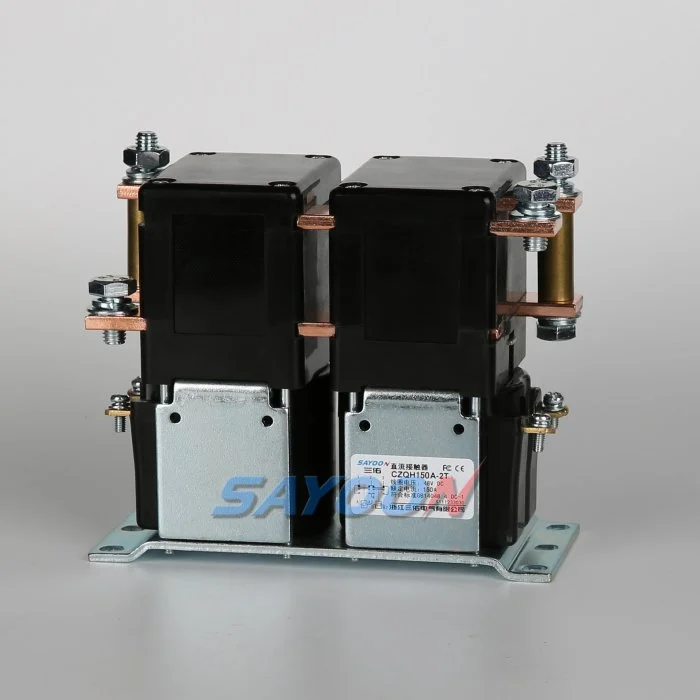
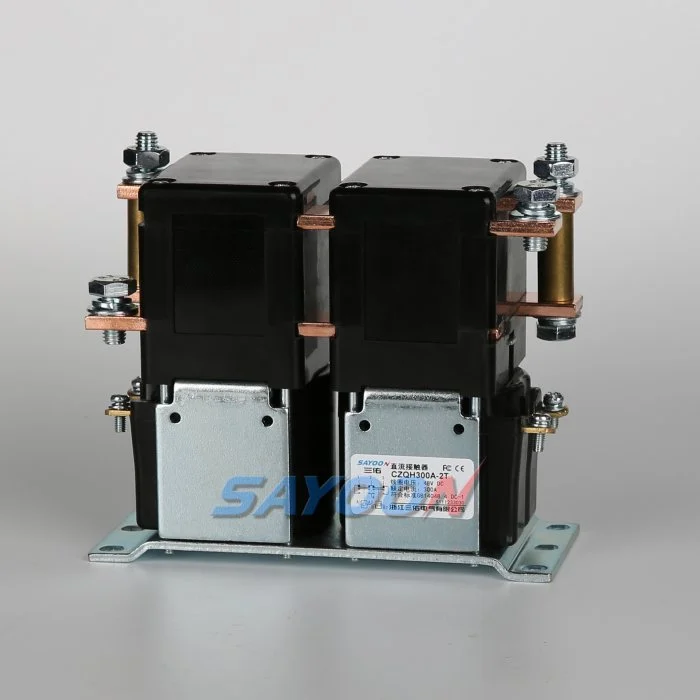
Once the evidence is organized, the DC contactor product range and CZQ DC contactor line can support discovery. They do not recommend a sample or identify a final project solution.
| RFQ input / Buyer should provide | Why it matters | Avoid this shortcut |
|---|---|---|
| Requested identity and project reference | Defines the item under discussion | Naming a generic contactor only. |
| Review purpose and evidence requested | Sets the supplier-response boundary | Assuming a sample means approval. |
| Drawing or application context | Connects the enquiry to the project | Inferring fit from a product image. |
| Open question and recipient | Makes clarification traceable | Requesting an undefined “test sample.” |
Send the controlled sample request or use the OEM discussion route when the record is ready.
FAQ
What should a contactor sample request include?
Include the requested identity, project reference, review purpose, evidence requested, relevant drawing or application context, and the open supplier question.
Does a sample request identify a production-ready part?
No. It records a buyer enquiry and does not prove availability, evaluation outcome, approval, or production suitability.
Which references should accompany the enquiry?
Provide the controlled drawing, application, assembly, or document references that explain the request, together with any available identity evidence.
What should the supplier confirm?
Ask a bounded question about the particular evidence, document, or request scope needed. Do not embed an assumed technical or commercial conclusion.
Can an observation become a product claim?
No. Record what was observed and keep any conclusion, compatibility decision, or approval for the responsible review process.
How is an open sample question written?
Name the controlled request first, then state the limited confirmation needed from the supplier in plain terms.
References
- The EEVblog welded-contactor discussion is used for the evidence-versus-conclusion boundary in Part 4.
- Fluke’s contactor-testing article supplies general context for evidence-led review.