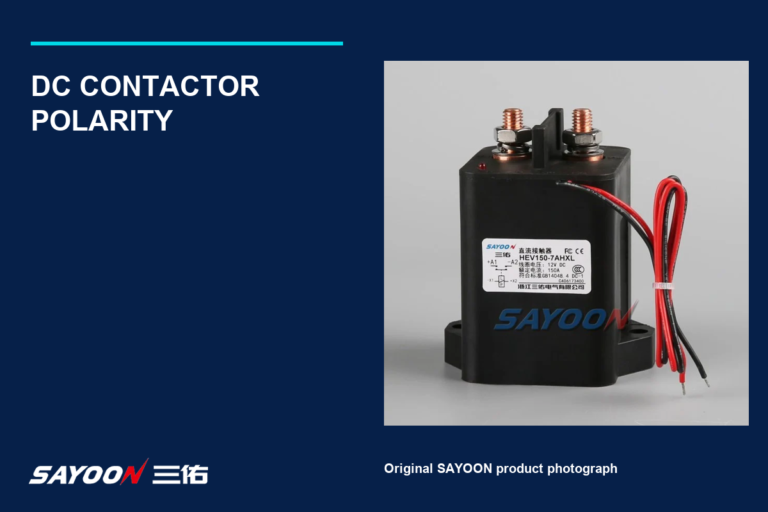
DC Contactor Polarity: Coil and Main-Terminal Checks Before Wiring
DC contactor polarity can apply to two different places: the low-voltage coil and the high-current main terminals. A plain coil may be non-polarized, while a...
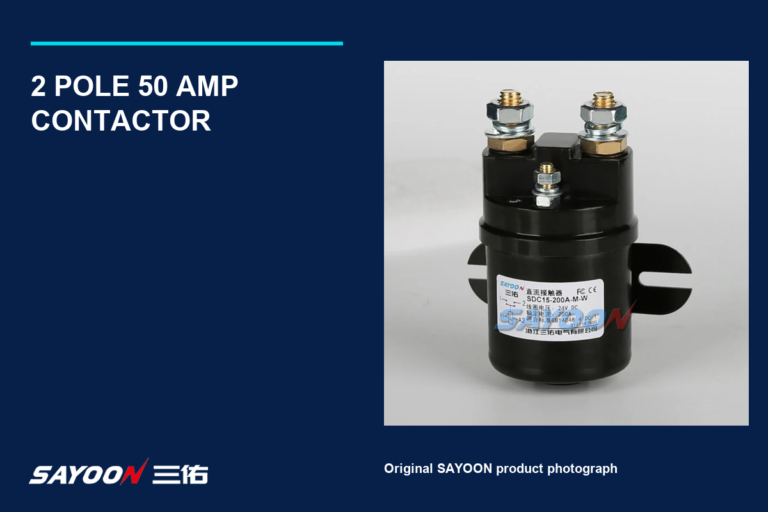
2 Pole 50 Amp Contactor: What to Check Before Replacement
Verify coil voltage, AC load duty, poles, terminals, mounting and equipment approval before selecting a two-pole 50 amp contactor.
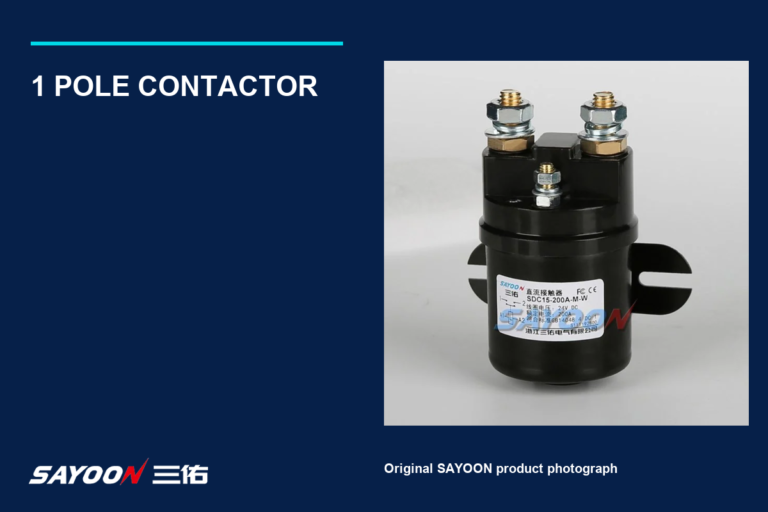
1 Pole Contactor: HVAC Selection and Replacement Checks
Understand how a 1 pole HVAC contactor works and verify the shunt, coil voltage, motor ratings, terminals and equipment circuit before replacement.
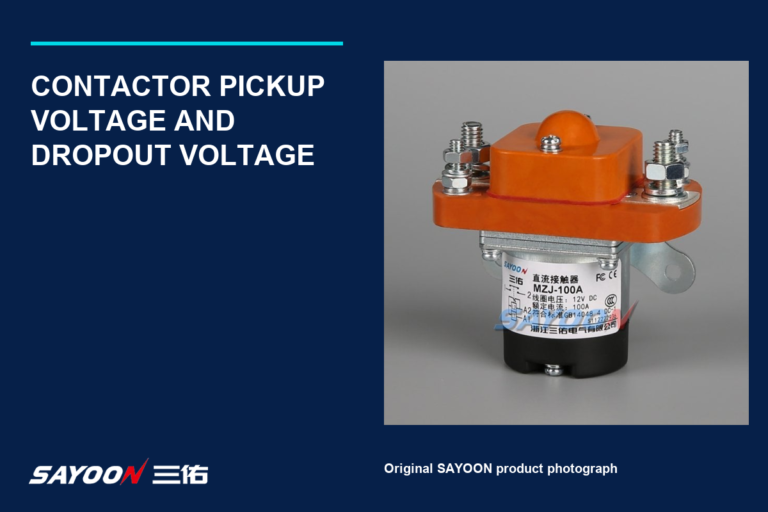
Contactor Pickup Voltage and Dropout Voltage: How to Verify Both
Pickup voltage is the coil-terminal voltage at which a contactor completes its intended change of state; dropout voltage is the decreasing voltage at which it...
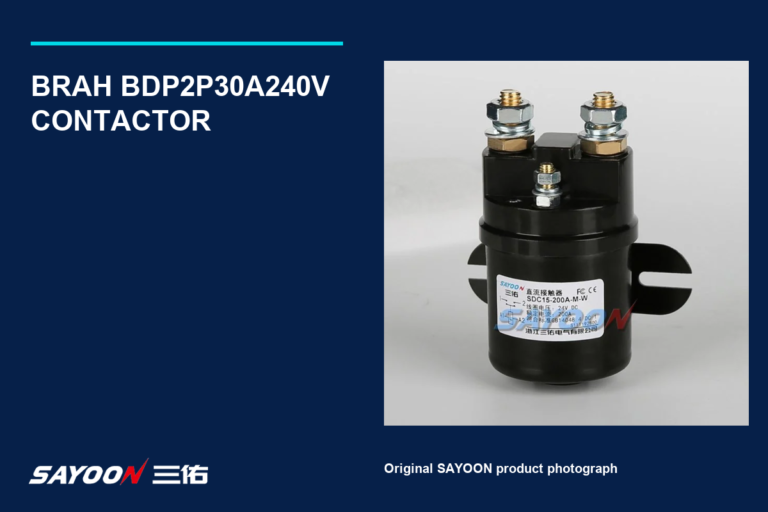
BRAH BDP2P30A240V Contactor: Specs and Replacement Checks
Review the coil, poles, AC motor duty, terminals and fit before replacing a BRAH BDP2P30A240V 208/240 V definite-purpose contactor.
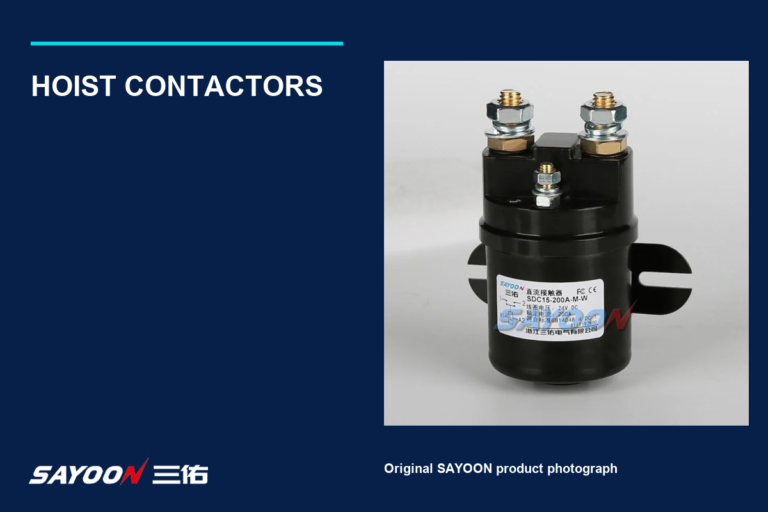
Hoist Contactors: How to Select AC Reversing or DC Winch Control
Learn how hoist contactors differ between industrial AC reversing controls and low-voltage DC winches, and which ratings, interlocks and safety evidence to verify.
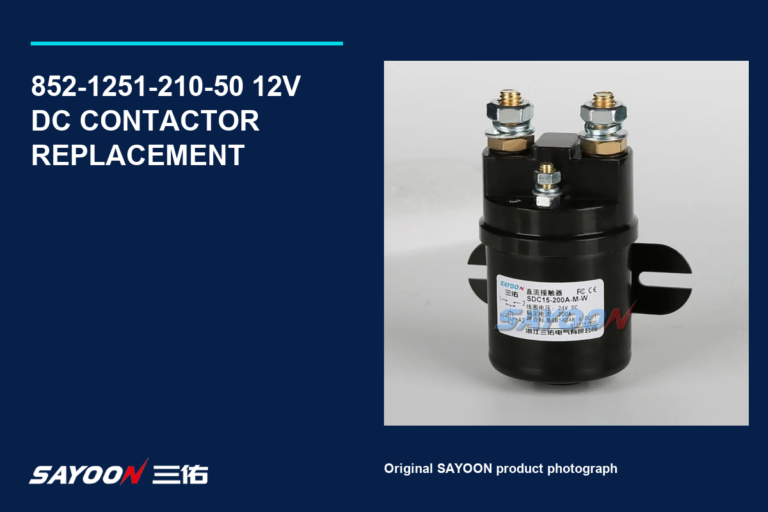
852-1251-210-50 12V DC Contactor Replacement: What to Verify
Review the coil grounding, terminals, duty cycle, mounting and validation steps before approving an alternative to the 852-1251-210-50 12V plastic DC starter contactor.
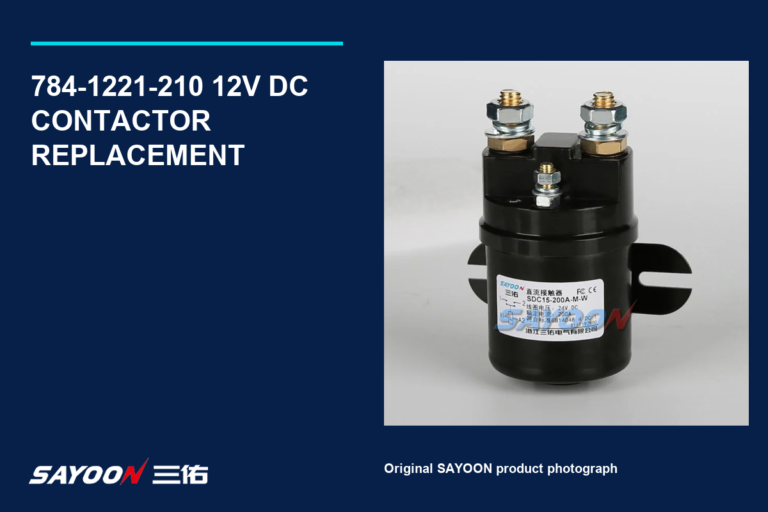
784-1221-210 12V DC Contactor Replacement: What to Verify
Review the published 784-1221-210 specifications, replacement paths, terminal and duty differences, and a safe validation checklist before approving a 12V DC contactor alternative.
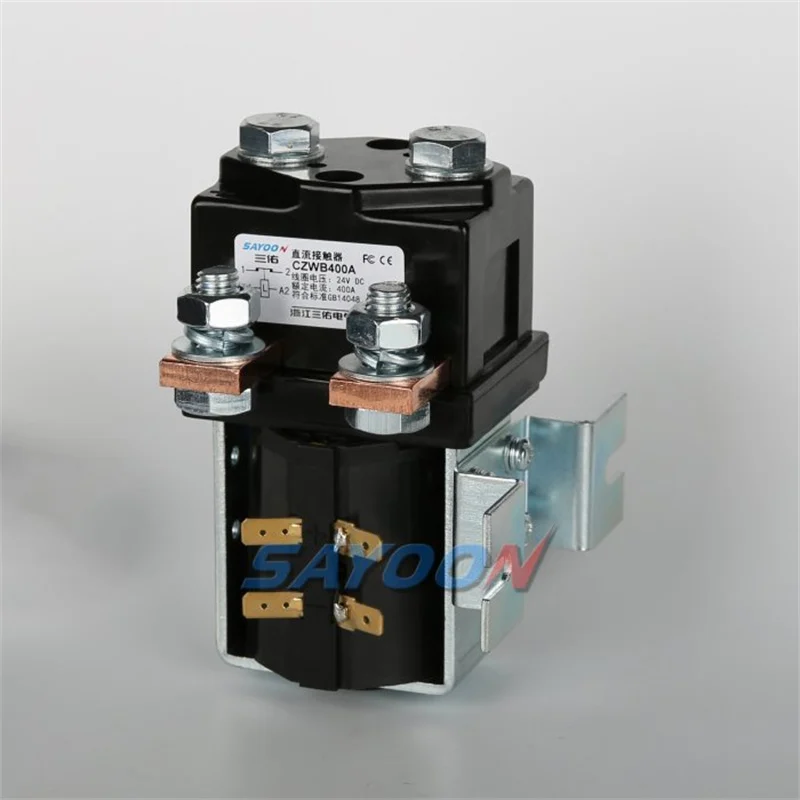
When Is a Definite-Purpose DC Contactor the Wrong Label for an OEM Path?
When a definite-purpose DC contactor label fits an OEM path, and when duty class, utilization category, and datasheet proof should replace the marketing name.
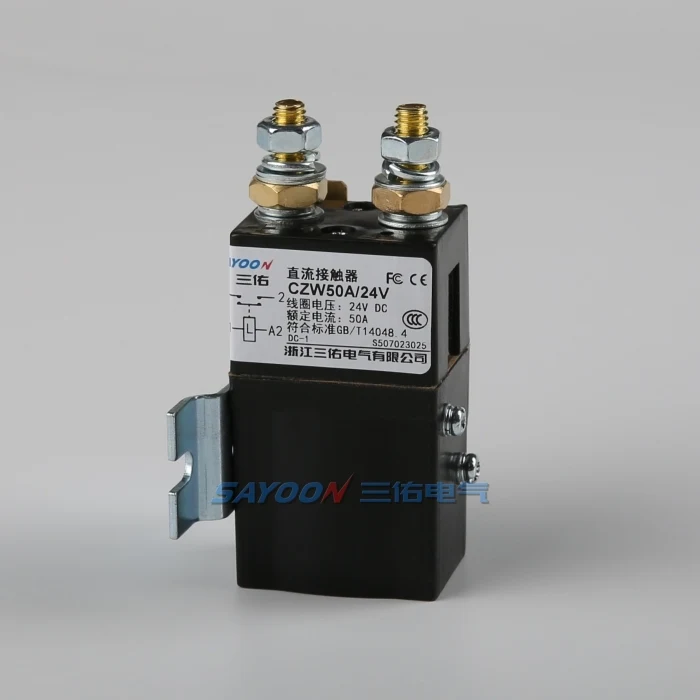
Which Coil Current Notes Matter for a 24V DC Contactor RFQ?
Which 24V DC contactor coil current and power fields belong in an RFQ, when pickup and hold differ, and how to check driver limits before...
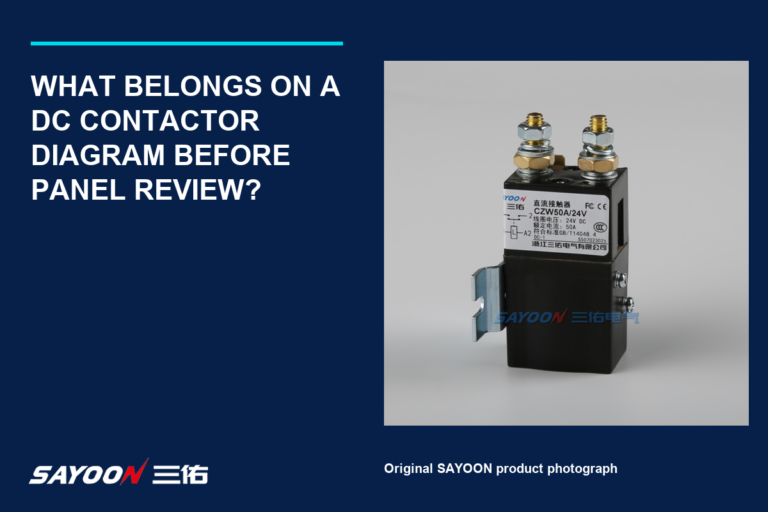
What Belongs on a DC Contactor Diagram Before Panel Review?
See what a review-ready dc contactor diagram must show—coil supply, contact form, protection, polarity, aux feedback, and labels—before panel build or FAT.
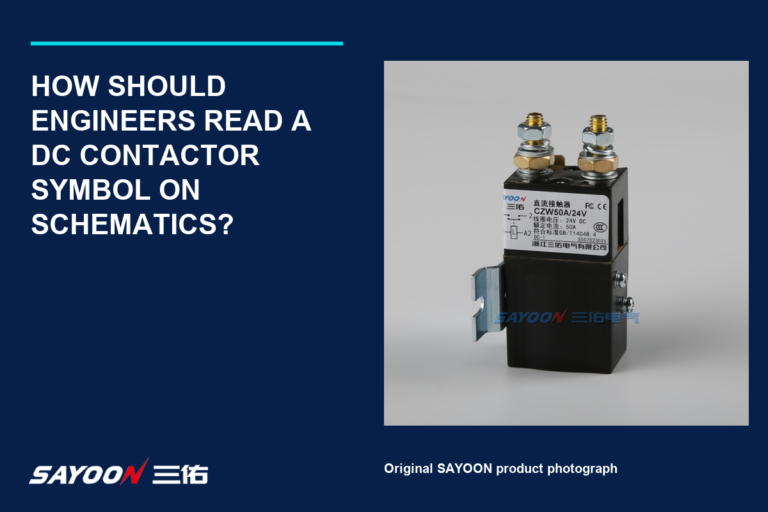
How Should Engineers Read a DC Contactor Symbol on Schematics?
Learn how to read a DC contactor symbol on schematics: coil vs contacts, NO/NC rest state, IEC vs ANSI styles, and checks before product matching.