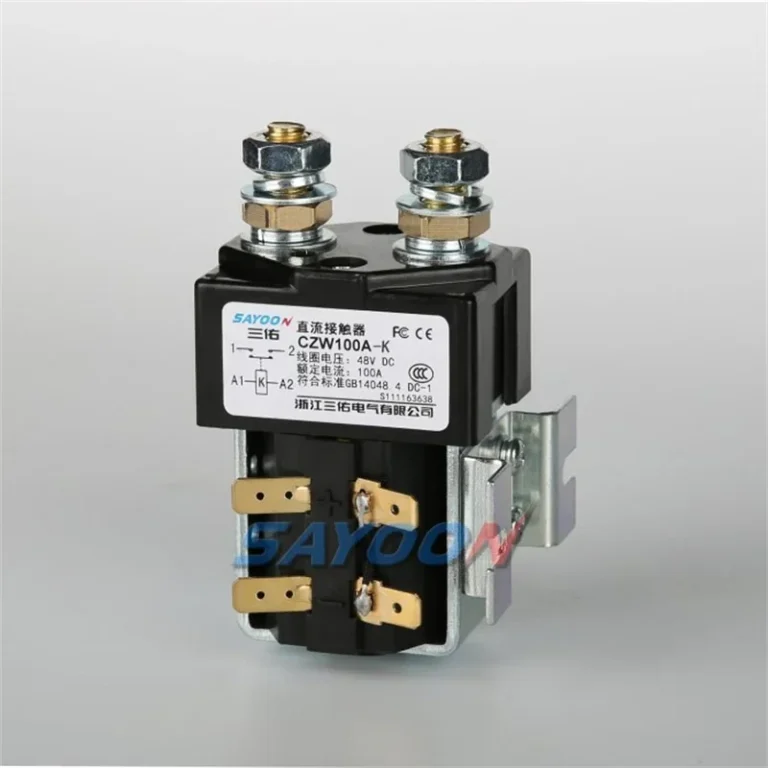
NO and NC Contactor Configuration for Motor Control Circuits
Learn how NO and NC contactor configuration changes motor starter, overload, holding, interlock, and trip-circuit decisions in DC panels every day.
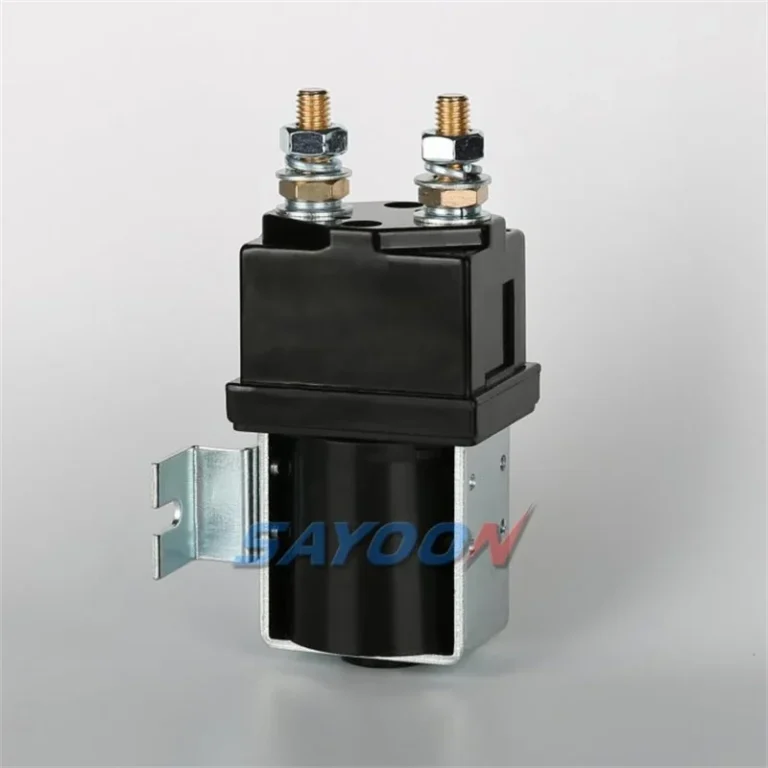
Why DC Contactor Contacts Weld and What to Review First
DC contactor welding is a failure symptom, not a selection specification. When contacts are suspected of staying closed, the useful next step is to review...
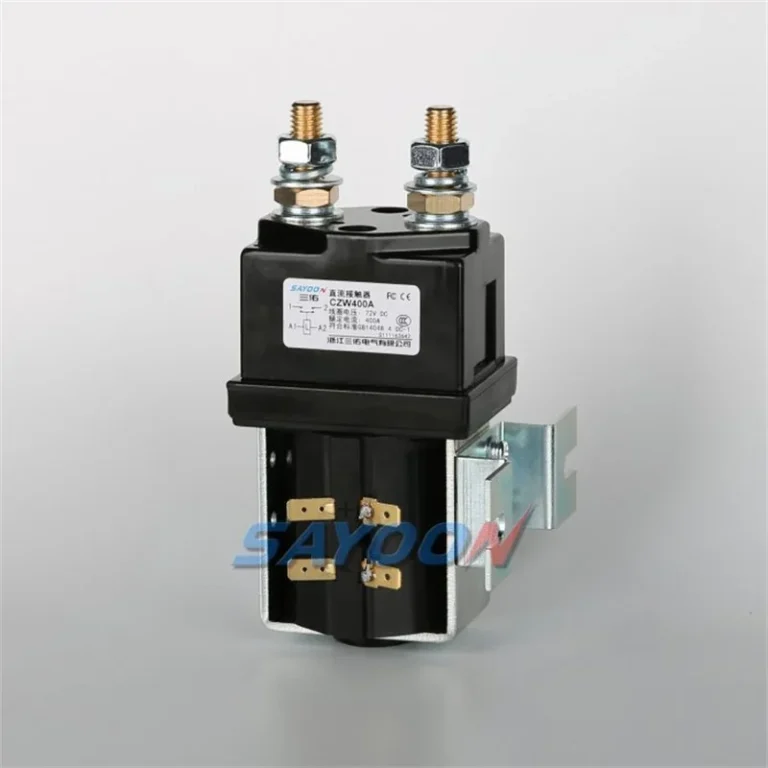
How to Test a DC Contactor Without Guessing at the Fault
How to test a DC contactor starts with a safe, controlled condition and a clear question: is the suspected problem in the coil command, the...
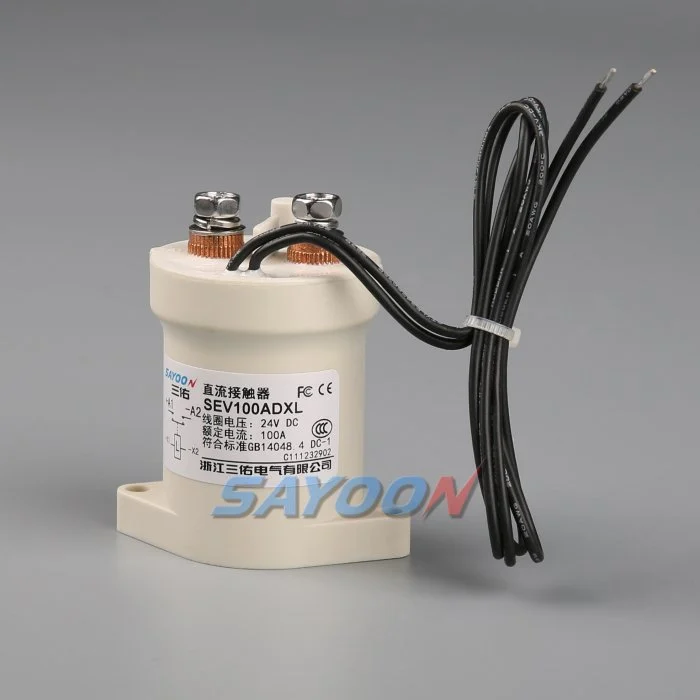
How should OEM teams review a 1000V DC contactor voltage class?
A 1000V DC contactor review starts with documented system voltage class, insulation and clearance notes from the project, coil supply, continuous current, and datasheet voltage...
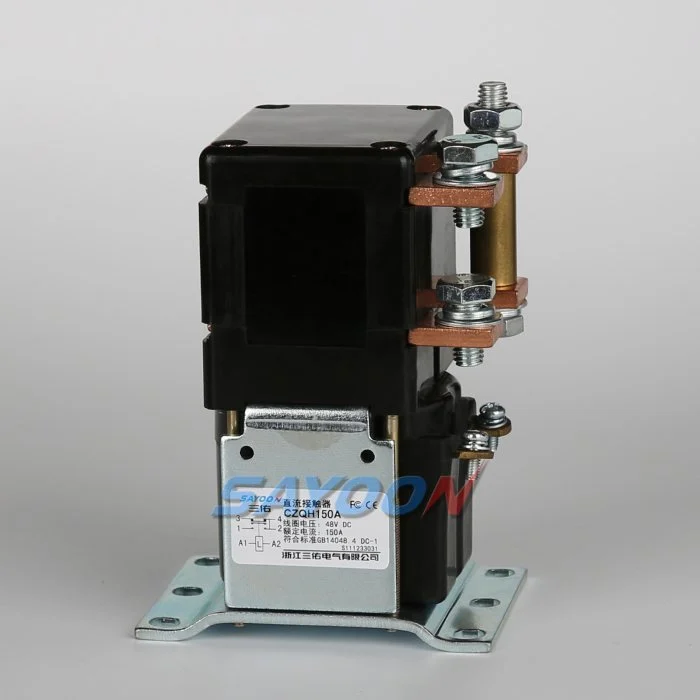
Where does a single pole DC contactor fit on battery and auxiliary paths?
A single pole DC contactor is reviewed for a documented one-pole switching path: confirm pole form, coil supply, continuous current, voltage class, and wiring notes...

Which reasons for contactor coil failure should OEM service teams check first?
Common reasons for contactor coil failure start with supply mismatch, wrong duty mode, overheating, damaged terminals, and control wiring errors; confirm those against the installed...
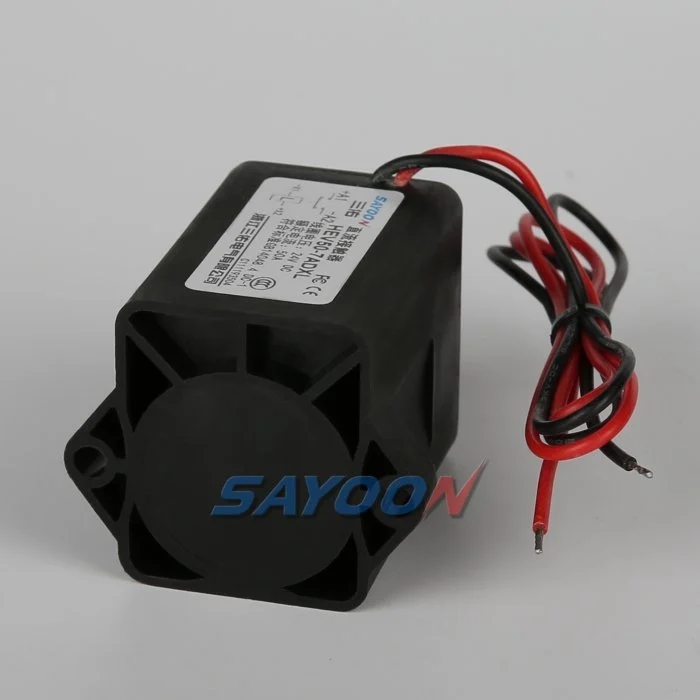
How should a charging contactor be reviewed in a DC fast-charger design?
A charging contactor belongs in a DC fast-charger design only after the team documents the maximum DC bus voltage, current and switching duty, precharge and...

How should marine teams check a DC contactor before RFQ release?
A marine DC contactor should be shortlisted only after the team separates maximum contact voltage from coil supply, documents the installed exposure and terminal strategy,...
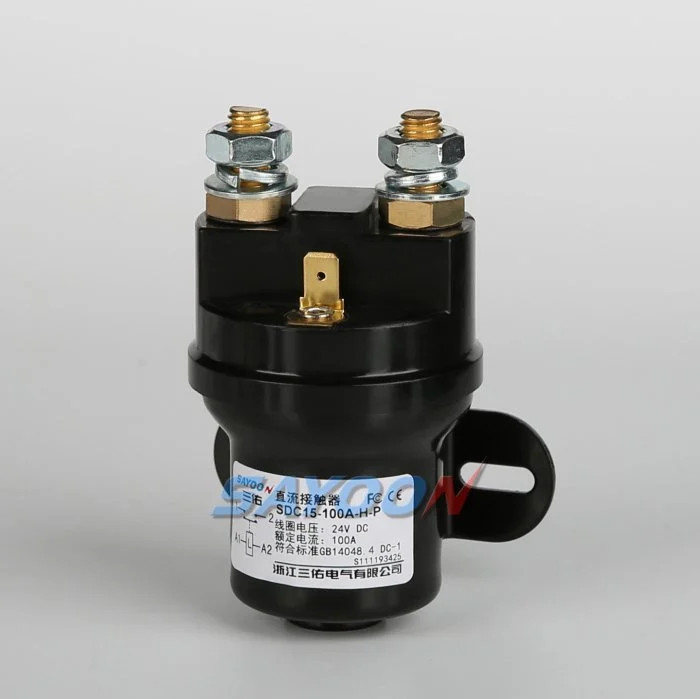
How should OEM teams select a starter DC contactor for motor-start paths?
A starter DC contactor is selected for a documented motor-start duty: write continuous current, start/inrush context, coil voltage, environment, and mounting constraints, then compare SDC15...
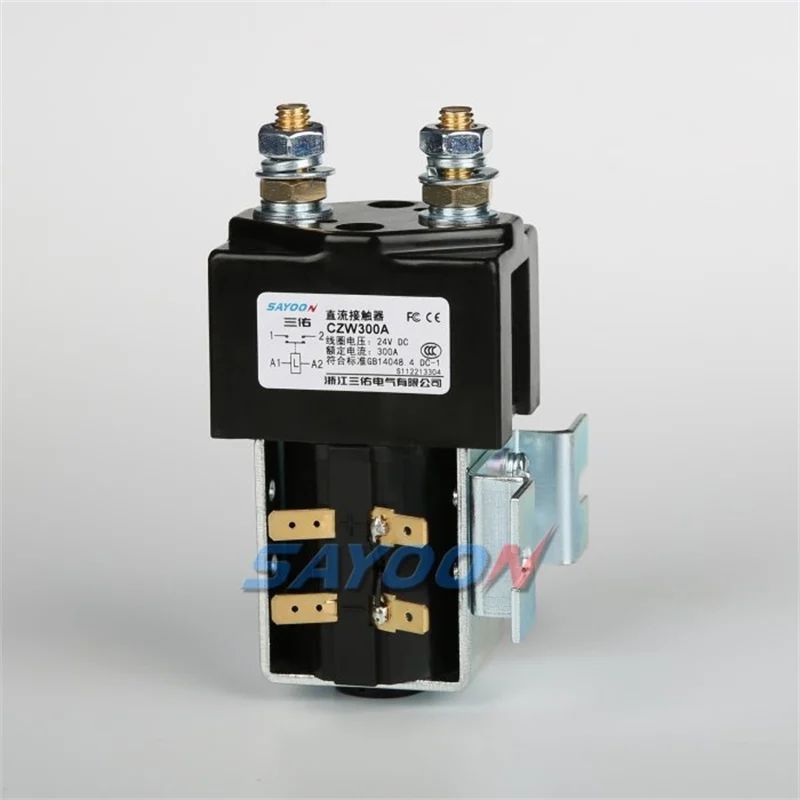
What should panel builders verify in contactor A1 A2 wiring on DC coils?
Contactor A1 A2 wiring is the coil-circuit identification step: confirm terminal labels, coil rated voltage, polarity notes where stated, connector type, and control supply before...

How should teams specify a DC reversing contactor on AGV and forklift motor paths?
A DC reversing contactor is a project-defined reversing contact arrangement for a documented motor path: confirm pole form, coil supply, interlocks, voltage/current class, and wiring...
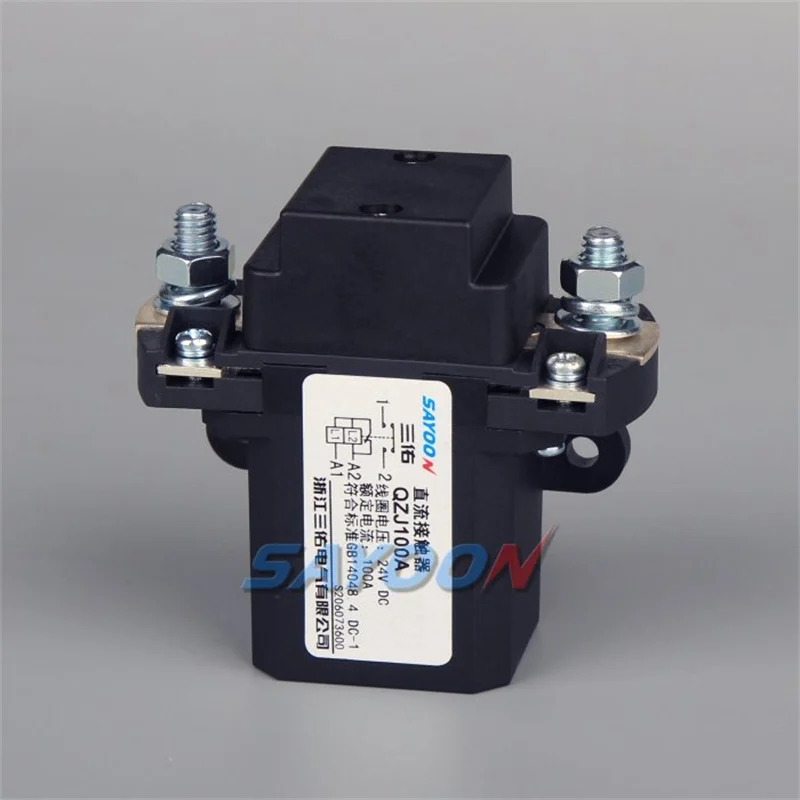
Which use cases put an 84V DC contactor on extended-voltage traction buses?
An 84V DC contactor use case sits above the classic LV boundary: the ≤60 V SZJ and ≤80 V CZW classes cannot contain an 84...