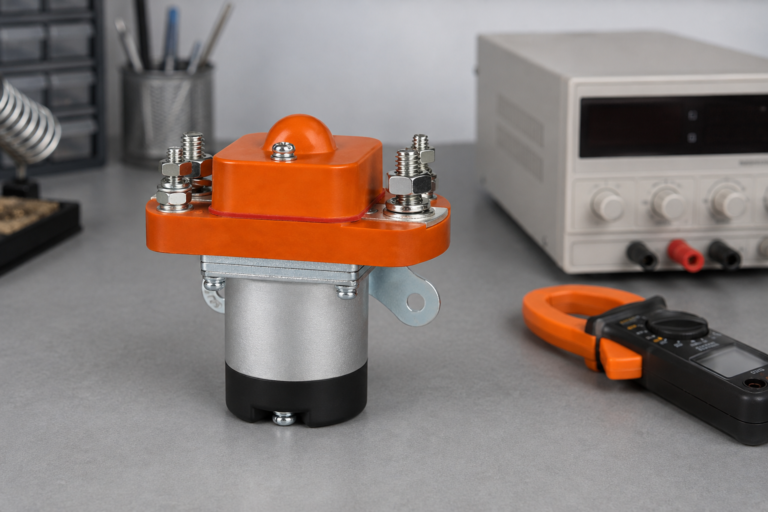
Contactor Coil Power Consumption: Pull-In, Hold, and Driver Sizing
Contactor coil power consumption is not one universal number. A conventional DC coil may draw its highest power throughout the energized period, while an economized...
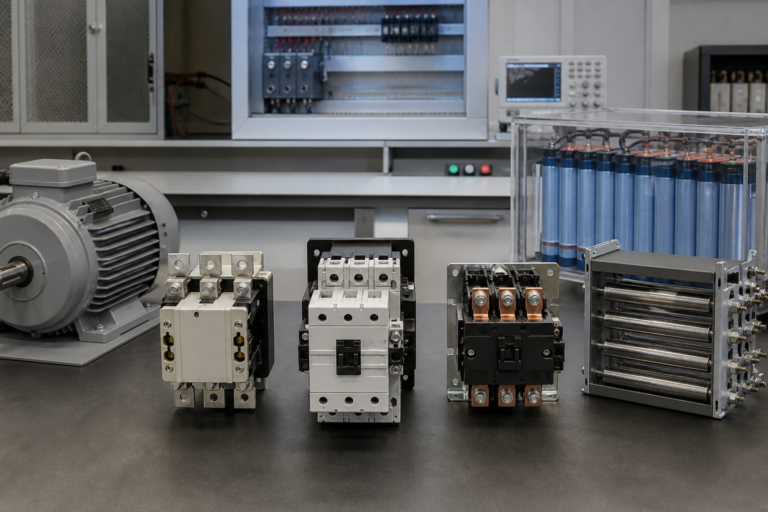
Contactor Utilization Categories: How to Match the Load and Duty
Contactor utilization categories describe standardized load and switching duties; they do not merely rename the current rating. Categories distinguish resistive loads, motors, plugging or inching,...
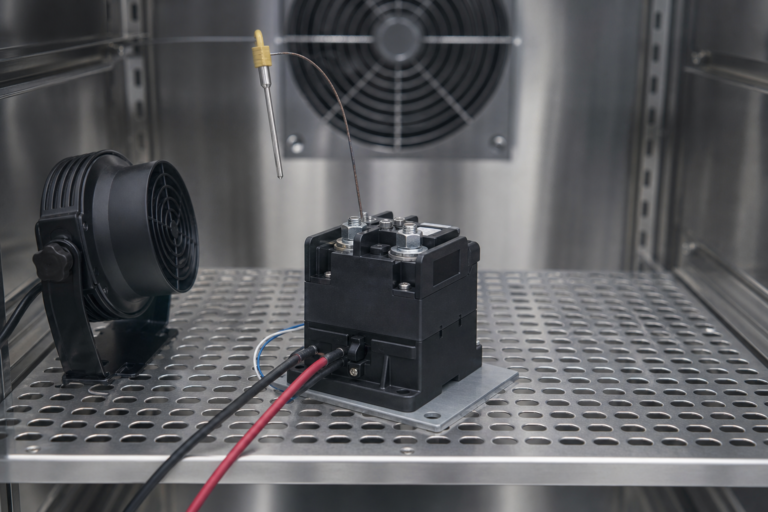
DC Contactor Temperature Derating: A Practical OEM Review Method
DC contactor temperature derating means reducing allowable electrical or operating stress when ambient temperature, enclosure temperature, terminal heating, altitude, or duty pushes the device beyond...
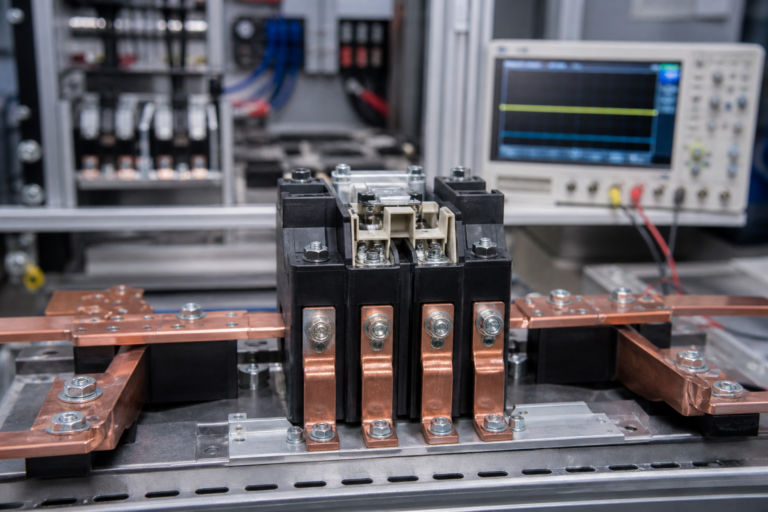
Contactor Making Current vs Breaking Current: Why Both Ratings Matter
Making current is the current a contactor establishes as its contacts close; breaking current is the current it interrupts as the contacts open. They are...
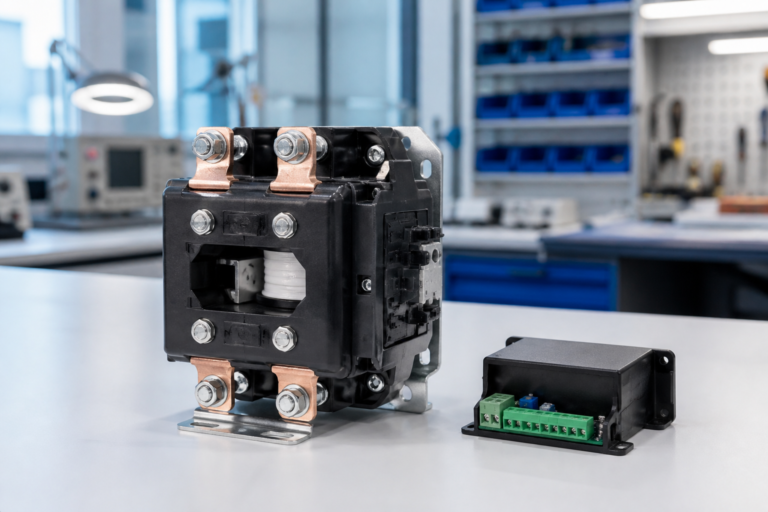
Contactor Coil Economizer: How Pull-In and Hold Power Are Managed
A contactor coil economizer applies sufficient energy for reliable pull-in, then reduces coil power after the armature closes. It may use PWM, a series element,...
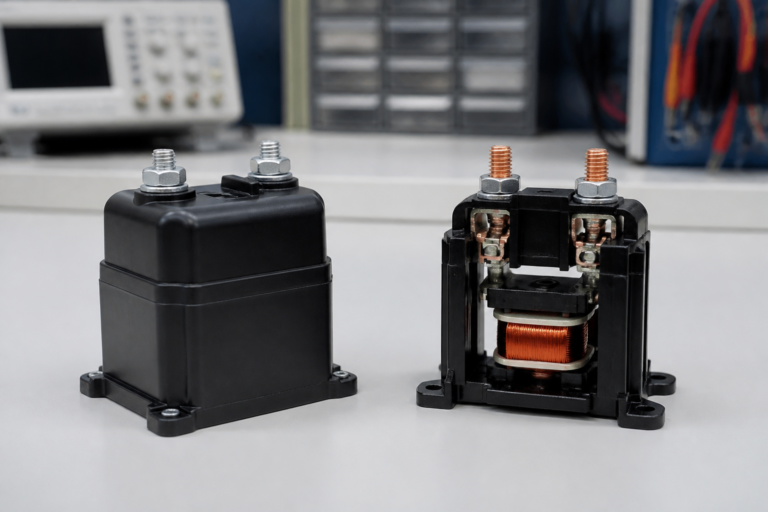
Sealed vs Open DC Contactor: Which Construction Fits the Application?
A sealed DC contactor encloses the switching chamber to control contamination and, in many high-voltage designs, to support arc interruption. An open-frame contactor exposes more...
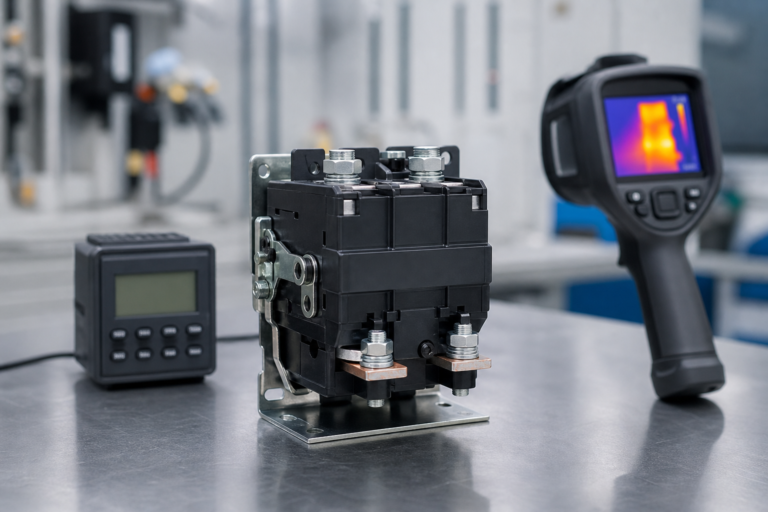
Contactor Duty Cycle: Continuous, Intermittent, and Repetitive Service
Contactor duty cycle describes how long and how often the coil and main contacts are energized or switched. Continuous duty, intermittent duty, and repetitive short-time...
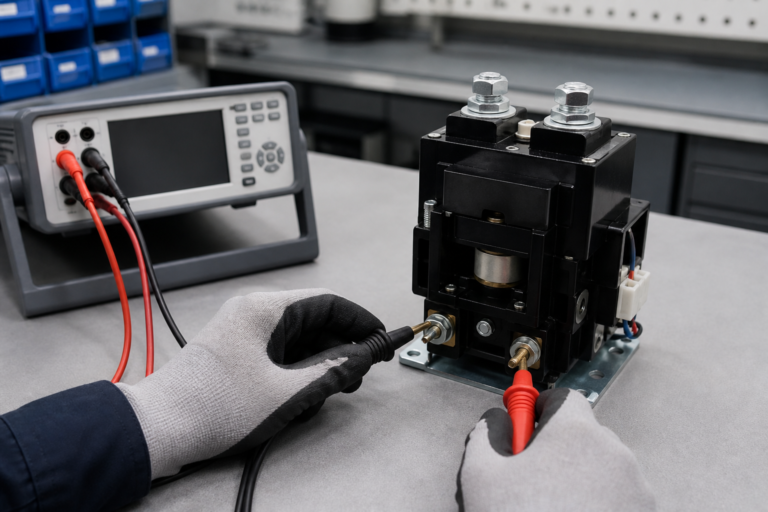
Contactor Contact Resistance: What to Measure and How to Interpret It
Contactor contact resistance is the resistance of the closed current path, including the contact interface and relevant internal conductors. Because it is usually very small,...
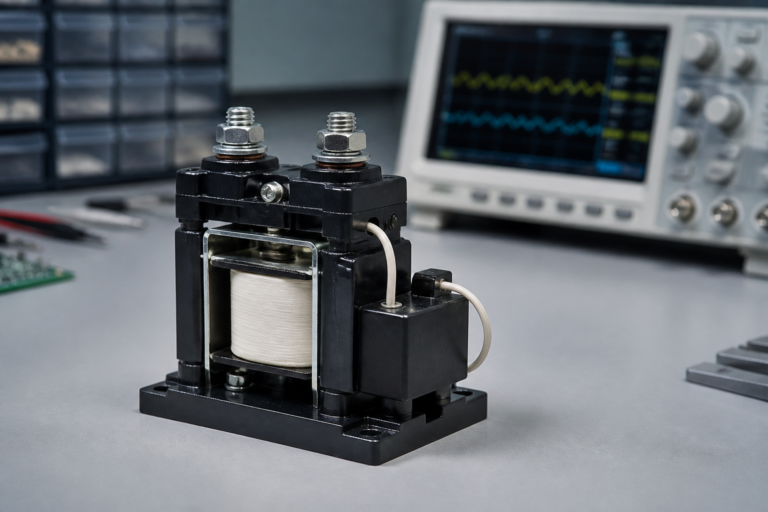
Contactor Coil Surge Suppression: Diode, TVS, RC, or Varistor?
Contactor coil surge suppression limits the voltage produced when coil current is interrupted. A flyback diode gives strong clamping on a DC coil but can...
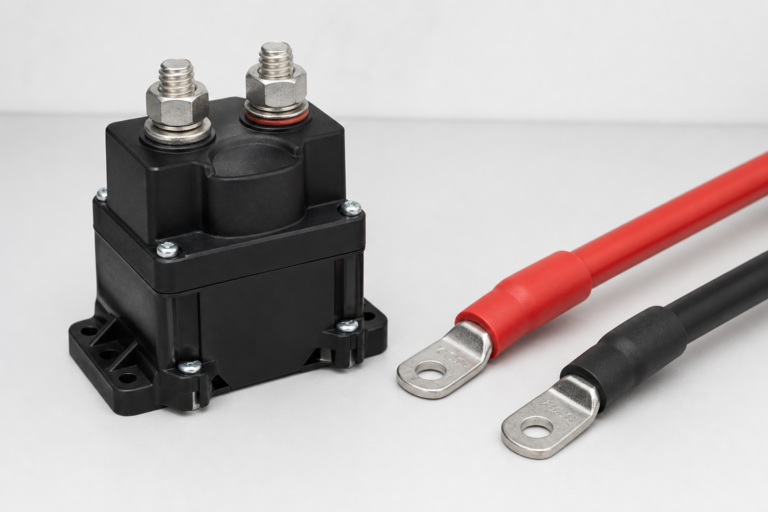
DC Contactor Polarity: Coil and Main-Terminal Checks Before Wiring
DC contactor polarity can apply to two different places: the low-voltage coil and the high-current main terminals. A plain coil may be non-polarized, while a...
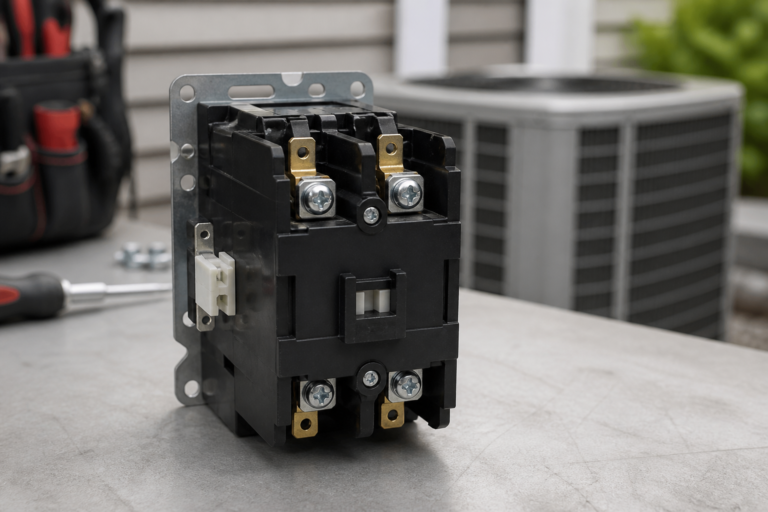
2 Pole 50 Amp Contactor: What to Check Before Replacement
Verify coil voltage, AC load duty, poles, terminals, mounting and equipment approval before selecting a two-pole 50 amp contactor.
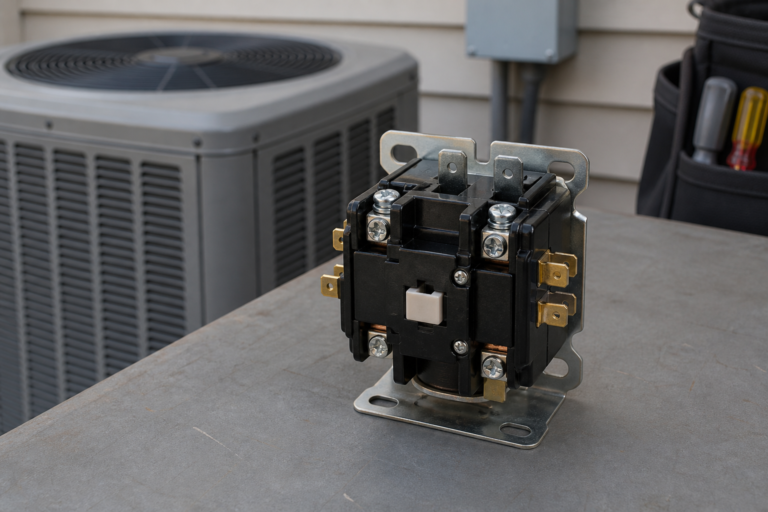
1 Pole Contactor: HVAC Selection and Replacement Checks
Understand how a 1 pole HVAC contactor works and verify the shunt, coil voltage, motor ratings, terminals and equipment circuit before replacement.