A single pole DC contactor is reviewed for a documented one-pole switching path: confirm pole form, coil supply, continuous current, voltage class, and wiring notes against the datasheet before treating SPDT or NO labels as interchangeable. Use it to keep single-pole form separate from multi-pole or reversing purchases on battery and auxiliary circuits. It is a checklist for OEM and panel teams — not sizing or approval for single-pole-dc-contactor-roles-battery-aux-paths.
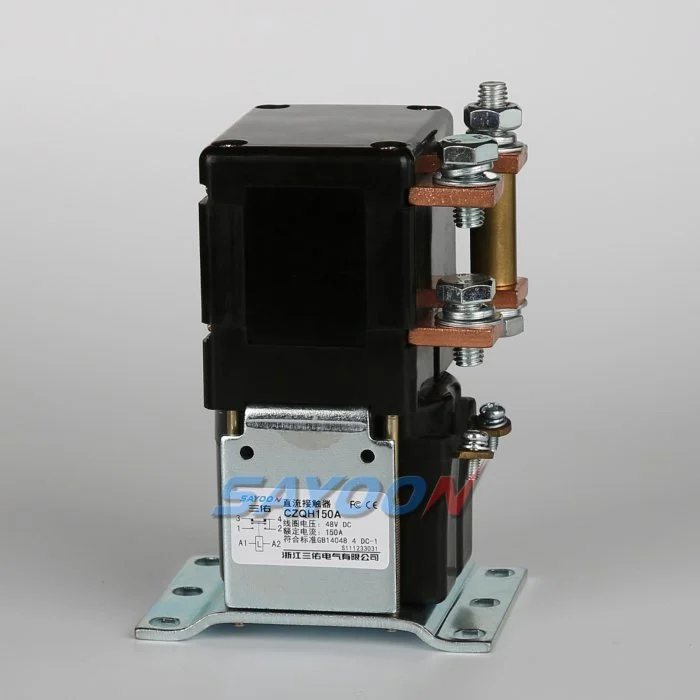
Part 1. Separate single-pole duty from multi-pole or reversing duty
Write whether the path needs one documented pole or a multi-pole / reversing arrangement. A single pole DC contactor can isolate or transfer one pole on a battery or auxiliary circuit, but it does not automatically replace a two-pole or DPDT reversing design. Keep the pole-form note on the schematic before comparing SPDT and NO catalog labels.
Teams searching for single pole dc contactor usually need a project checklist, not a catalog slogan.
Auxiliary RFQs move faster when changeover versus simple NO is stated in one line next to the coil Us.
Part 2. Capture battery and auxiliary path inputs
Record system voltage class, continuous current, make/break context if stated, coil supply, ambient, and mounting. Auxiliary paths often carry lower current than traction mains, yet coil Us and terminal type still decide harness work. Source each number to a drawing revision.
| Input | What to record | Send with quote |
|---|---|---|
| Pole form | Single-pole NO vs SPDT vs other | Schematic excerpt |
| Voltage/current | Class and continuous current with source | Drawing reference |
| Coil supply | Required Us | Control supply note |
| Path role | Battery / auxiliary / other | Duty narrative |
| Environment | Ambient and mounting | Layout constraint |
Part 3. Confirm contact form: NO versus SPDT language
SPDT and single-pole NO are not interchangeable marketing words. Confirm which contact form the control design requires, including any changeover role. If the drawing is silent, open an engineering question instead of assuming a catalog photo.
Important: Do not substitute a single pole DC contactor for a documented multi-pole or reversing path without a redesign review. (Source: project schematic / manufacturer contact-form datasheet.)
Part 4. Review coil supply and terminal notes
Match coil rated voltage and terminal type to the control drawing. Terminal images help identification; they do not authorize improvised jumpers. Holding-coil pulse notes apply only when that family is actually selected.
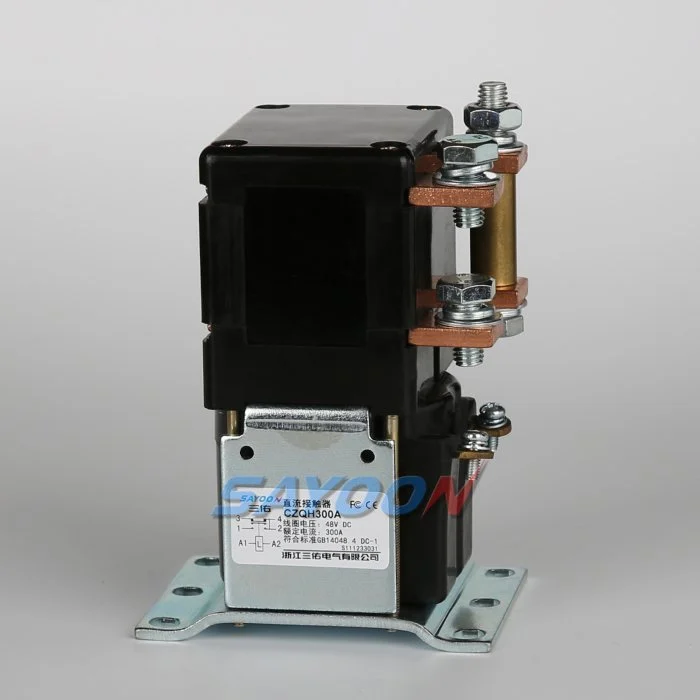
Part 5. Keep load-pole wiring separate from coil checks
Battery and auxiliary cables belong on load terminals with their own torque and insulation notes. Coil A1/A2 style checks stay on the control side. Mixing those reviews creates false coil-failure reports later.
Part 6. Which SAYOON single-pole routes fit a documented inquiry?
When pole form and duty are written, discuss CZQH-U SPDT or CZWH-T SPDT routes against datasheets. Do not replace a documented multi-pole or reversing arrangement with a single pole DC contactor without a redesign review.
| Documented need | SAYOON route | Verify on datasheet |
|---|---|---|
| 150A-class SPDT discussion | CZQH150A-U | Contact form and ratings |
| 300A-class SPDT discussion | CZQH300A-U | Form and terminals |
| Alternate SPDT family | CZWH100A-T | Coil and form match |
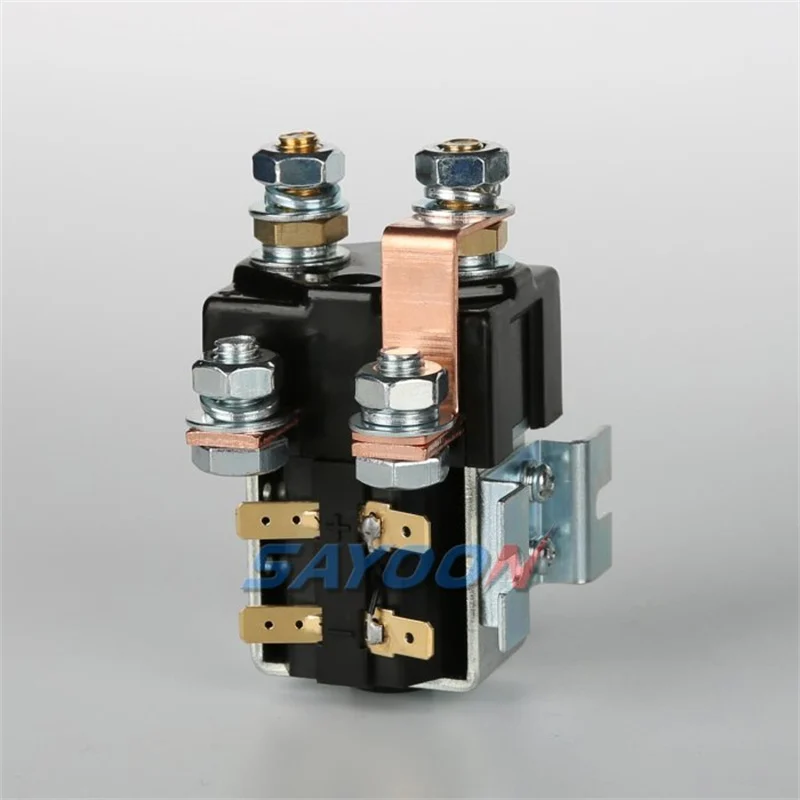
Product routes after inputs are documented:
- CZQH150A-U SPDT DC contactor — single-pole form discussion after duty is written.
- CZQH300A-U SPDT DC contactor — higher-current SPDT route when datasheet matches.
- CZWH100A-T SPDT DC contactor — alternate SPDT family after inputs are locked.
Continue single-pole review via the QZJ Series DC Contactor, then contact SAYOON with pole-form and Us notes attached.
Related reading: QZJ Series DC Contactor; replace a 1 pole contactor with a 2 pole contactor; what is a 2 pole contactor.
Part 7. Fit Boundary for single-pole inquiries
Fit Boundary: Battery/auxiliary single-pole switching review; not a substitute for reversing paths, multi-pole distribution, or certification. Final installation and acceptance remain with the responsible project team and verified manufacturer data.
FAQ
What is a single pole DC contactor in project terms?
It is a contactor reviewed for a documented one-pole switching path, with contact form and ratings verified on the datasheet rather than assumed from a catalog title.
Is SPDT the same as single-pole NO?
Not automatically. SPDT describes a changeover form; NO describes a normally open pole. Confirm the drawing requirement.
Can a single pole DC contactor replace a reversing contactor?
Only if the approved design no longer needs the reversing pole form. Otherwise a redesign review is required.
What belongs in a single-pole RFQ?
Pole form, voltage/current with sources, coil supply, path role, environment, and required documents.
Where do battery auxiliary paths usually differ from traction mains?
Current and duty context often differ, but coil Us and terminal notes still need explicit documentation.
Does this article approve a battery system?
No. System approval remains with the responsible design team and verified manufacturer data.