Panel builders should verify contact voltage class with headroom, continuous current at defined duty, mechanical outline and bus orientation, coil and auxiliary ratings, IP sealing for the enclosure class, and documented electrical life before freezing a SEV Series HV DC contactor part number on the panel bill of materials.
This buyers guide is for electrical engineers and panel shops integrating SEV Series HV DC contactors into BDUs, storage compartments, and industrial HV DC enclosures. Start from the SEV Series HV DC contactors pillar when you need the full SKU list, then use the sections below to translate catalog data into panel-ready RFQ lines.
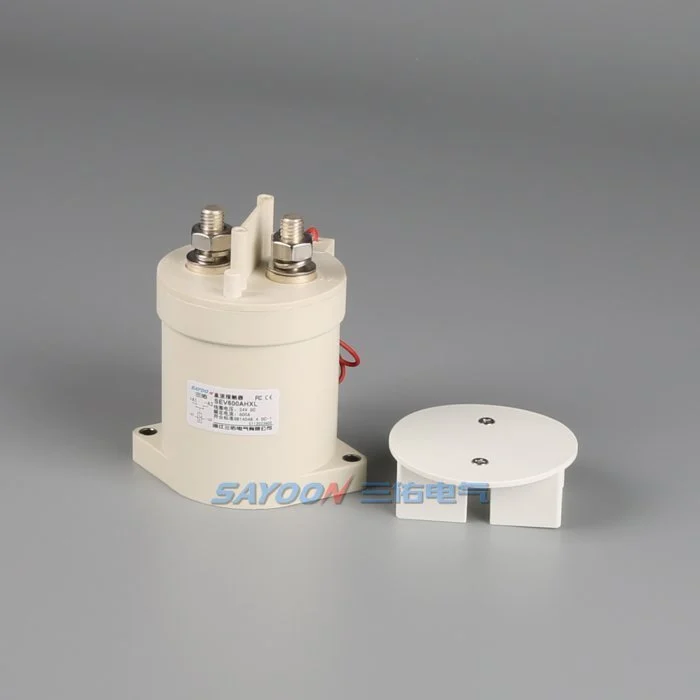
Part 1. What should panel builders verify before specifying SEV Series HV DC contactors?
A sev series hv dc contactor in panel-builder searches usually means the integrator already selected an HV DC architecture and now needs a sealed main-path switch that fits a tooled enclosure, bus bar plan, and control harness. The decision is not only ampere class — it is whether the published SKU envelope, coil demand, and feedback contacts survive layout review and production test.
Panel builders differ from vehicle platform owners because they often inherit voltage and current targets from a customer drawing pack. Your job is to confirm that the SEV shortlist matches those numbers on separate auditable lines before the cutout is machined.
| Panel-builder checkpoint | Why it matters on the shop floor | Typical owner |
|---|---|---|
| Contact voltage class vs bus potential | Insulation coordination in the compartment | Lead electrical engineer |
| Continuous current at duty | Thermal limit while closed | Thermal / power engineer |
| Outline and bus orientation | Cutout, torque access, service clearance | Mechanical layout |
| Coil and auxiliary ratings | Harness sizing and BMS feedback | Controls designer |
| IP / sealing class | Enclosure wash-down or road splash | Quality / compliance |
For EV-oriented disconnect sizing context, cross-read HV contactor selection for EV disconnect paths. For datasheet line-by-line audits before PO, see OEM specification fields on high voltage DC contactors.
The high-voltage system overview at BatteryDesign.net provides useful architecture vocabulary for contactor roles — it does not replace your panel RFQ table.
Part 2. How does the SEV series map to typical panel current classes?
SEV series SKUs span multiple continuous-current classes on the SAYOON site. Panel builders should map customer continuous current to the published load current line on each product page, then leave headroom per your thermal process — not per marketing labels alone.
| Typical panel path | Starting SEV class to compare | Published example field to read first |
|---|---|---|
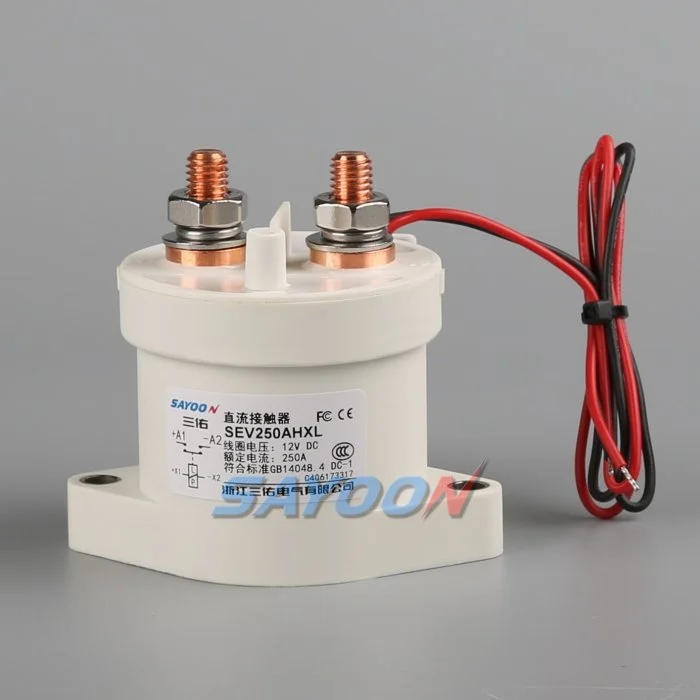
| Auxiliary or precharge branch | SEV250AH / SEV250AD class | Contact voltage and load current on SKU page |
| Mid-power BDU or storage branch | SEV400AH class | Load current 400 A DC-1 on SEV400AH page |
| Higher continuous main path | SEV600AH / SEV800AH class | Load current and outline on higher SKUs |
Published SEV400AH parameters list contact voltage (DC V) 5–1000 V and load current 400 A DC-1 on the product page. Use those values only when your working voltage and continuous duty fit the documented test context.
Do not assume one amp class covers every pole assignment in the panel. Traction, precharge, and auxiliary paths may need different SKUs even when nominal pack voltage is shared.
Part 3. Which mechanical and bus-routing fields affect enclosure layout?
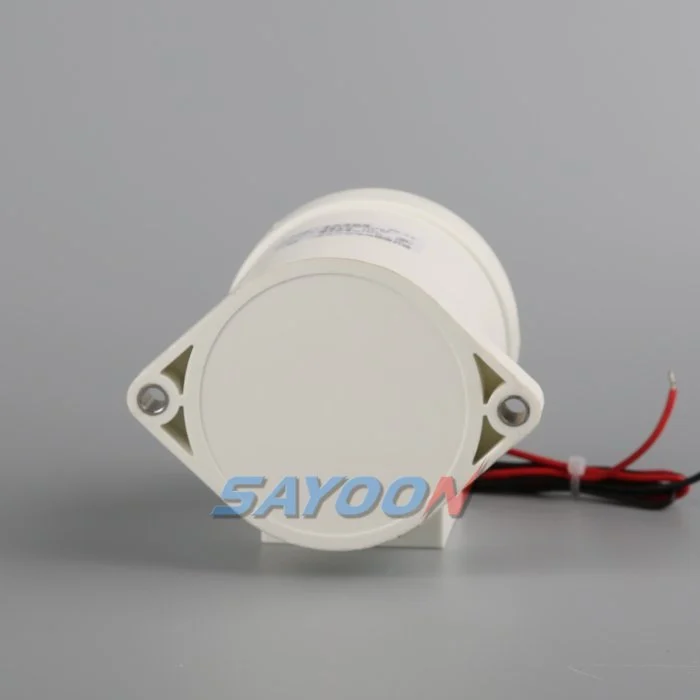
Mechanical mismatch discovered after the enclosure is tooled is one of the costliest panel-builder failures. Request outline drawing revision, mounting hole pattern, mass, cable entry orientation, and minimum service clearance on the same RFQ packet as electrical ratings.
Layout checklist for panel shops
- Confirm main contact orientation relative to bus bar stack direction.
- Verify torque access for terminal hardware with the lid installed.
- Record keep-out zones for coil harness and auxiliary wiring.
- Align shock and vibration class with customer spec if provided.
- Attach 3D step or PDF outline before freezing the cutout.
Storage-oriented integrators should also read the HVDC contactor integration checklist for BESS when the panel feeds a commercial container rather than a traction BDU.
| Mechanical RFQ field | Panel impact if omitted | Supplier should return |
|---|---|---|
| Outline width / height / depth | Cutout collision | Dimensioned drawing |
| Mounting hole pattern | Drilling rework | Hole chart and torque spec |
| Mass | Handling and support design | Published mass |
| Terminal type and orientation | Bus bar bend radius errors | Terminal detail view |
| Service clearance | Cannot tighten or inspect | Minimum access note |
Part 4. What coil, economizer, and auxiliary options matter in panel wiring?
Coil inrush, economizer hold power, and auxiliary contact ratings determine whether the panel harness can command the contactor and whether control logic receives defensible position feedback. Panel builders must document coil supply separately from contact voltage class.
Published SEV400AH coil data includes pull-in at ≯70% and drop-out between ≯35% and ≮5% of rated coil voltage at (20±5) °C, with economizer-style hold power listed as H: Start 30–60 W, Keep 4–10 W under the published table. Map those values to your driver capacity across temperature corners.
Auxiliary contacts are safety inputs on many programmes. The published SEV400AH optional auxiliary example lists 3 A / 30 VDC on the product page — verify against your sense circuit before reusing the same configuration on every pole in the panel.
| Panel wiring field | Document on RFQ | Common shop-floor error |
|---|---|---|
| Coil rated voltage | Control net name and tolerance | Mixing coil and contact voltage |
| Peak vs hold power | Driver thermal budget | Undersized economizer support |
| Auxiliary NO/NC count | BMS or PLC input map | Assuming feedback without rating |
| Command polarity | Harness drawing | Reversed coil connection at build |
Part 5. How should builders compare SEV SKUs against HEV alternatives on one RFQ?
SEV and HEV are both HV DC contactor families on the SAYOON site with overlapping voltage-class language but different published SKU envelopes. Panel builders should run both series through the same RFQ matrix when mechanical outline or continuous current sits near class boundaries.
Comparison workflow
- Freeze maximum contact voltage and continuous current on the customer drawing.
- Pull published load current, outline, coil options, and IP class for two SEV candidates.
- Pull the same fields for one HEV candidate from the HEV Series HV DC Contactor page when storage or alternate mechanical envelope fits better.
- Mark pass / review per line — do not approve on ampere label alone.
- Escalate to engineering when rupture or auxiliary requirements exceed any catalog bound.
Programmes tied to new energy electric vehicle applications often mix traction and auxiliary poles — confirm each pole against its own SKU row rather than reusing one part number across the panel.
Part 6. What RFQ table helps panel shops validate a SEV series shortlist?
Use one matrix so electrical layout, procurement, and quality reviewers sign the same record before the enclosure is released to fabrication.
| RFQ field | Customer / panel value | SEV documented value | Pass / review |
|---|---|---|---|
| Maximum working contact voltage | (fill) | (fill) | |
| Continuous current at duty | (fill) | (fill) | |
| Mechanical outline revision | (fill) | (fill) | |
| Coil voltage and hold power | (fill) | (fill) | |
| Auxiliary contacts | (fill) | (fill) | |
| IP / sealing class | (fill) | (fill) | |
| Electrical life target | (fill) | (fill) | |
| Stated material compliance scope | (fill) | (fill) |
When continuous current exceeds the 400 A example class, compare published parameters on the SEV600AH high-voltage DC contactor page before defaulting to a single mid-range SKU on every pole.
Fit Boundary: Catalog parameters support component-level panel selection. They do not replace platform safety analysis, protection coordination, or customer-specific homologation evidence.
Part 7. What common panel-integration mistakes delay SEV contactor approvals?
Panel mistakes that recur on SEV programmes
- Cutout frozen before outline drawing review — mechanical rework after bus bars are bent.
- One amp class applied to every pole — auxiliary and main paths share insufficient rupture or thermal margin.
- Coil harness sized for hold power only — inrush collapses supply during pull-in test.
- Auxiliary contacts omitted from schematic — end-of-line BMS validation fails.
- IP class assumed from series name — RFQ missing explicit sealing requirement for wash-down enclosures.
- HEV alternative skipped — outline fits SEV electrically but not mechanically.
When any RFQ line remains blank after supplier response, hold panel release and send panel outline and voltage class for engineering confirmation rather than approving a partial table.
References
- BatteryDesign.net — High Voltage System — architecture context for contactor roles in HV compartments
- IEC 60947-4-1 scope — contactor utilisation category framing at component level
FAQ
What should panel builders check first on a SEV Series HV DC contactor datasheet?
Contact voltage class with headroom, continuous current at defined duty, mechanical outline, coil and auxiliary ratings, IP sealing class, and electrical life under the expected switching routine. Each field should appear as a separate RFQ line.
How do SEV250 and SEV400 classes differ for panel layout?
They differ in published continuous current, outline dimensions, and terminal layout. Compare outline drawings before sharing one cutout across both classes.
Can one SEV SKU serve every pole in an HV panel?
Not automatically. Traction, precharge, and auxiliary paths often need different continuous current, auxiliary, and rupture evidence — assign SKUs per pole after engineering review.
When should panel builders compare HEV series instead of SEV?
When published HEV outline, continuous current, or coil envelope fits the compartment better while still meeting voltage and duty targets — run both families through the same RFQ matrix.
What coil data matters for panel harness design?
Rated coil voltage, pull-in and drop-out bands, peak inrush power, and economizer hold power across temperature corners your enclosure experiences.
Which environmental rating should appear on a panel RFQ?
At minimum the IP class, operating temperature range, and sealing technology your enclosure imposes — especially for road splash, marine humidity, or wash-down programmes.
How do panel builders connect this guide to EV disconnect selection?
Use EV disconnect sizing articles for platform path architecture, then return here to confirm SEV series SKU fit against panel cutouts, bus routing, and harness documentation.