DC contactor main circuit record should preserve the facts that let a reviewer understand one installed power path without inventing a result. Capture the approved observation boundary, drawing revision, circuit location, device reference, observed condition, application role, and the question still open for review.
That record is useful because a terminal view, an indication, or a short event note cannot by itself establish the condition of a complete main path. Keep the evidence descriptive until the responsible team compares it with the installed design and applicable product documentation.
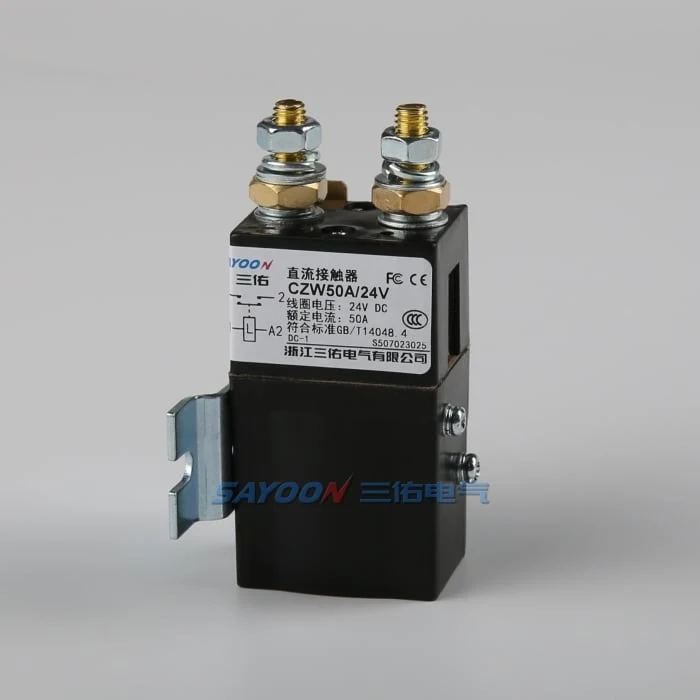
Part 1. What is the approved boundary for a main-circuit record?
Follow the approved site process for isolation, verification, and authorized work before inspecting a main path. The fact that a contactor is visible or has a recorded indication does not establish a safe condition for its terminals, connected load, stored energy, or related control sources. OSHA materials provide the general safety boundary, while the local procedure governs the actual activity. (OSHA energy control, OSHA electrical work practices)
State where the record starts. Identify whether it comes from an approved observation, a system event record, an authorised diagnostic step, or a labelled image.
Important: Do not bridge terminals, force a mechanism, or repeat a command merely to obtain a main-circuit observation. Use the approved site process first. Source: OSHA hazardous-energy requirements.
Part 2. What makes the record reviewable?
A reviewable record separates what was seen from what the drawing says the path is intended to do. It gives the recipient a traceable starting point instead of a generic statement that the contactor was “good” or “bad.”
| Record item | Capture | Review value |
|---|---|---|
| Circuit location | Equipment identifier and drawing location | Finds the relevant installed path. |
| Observation source | Approved note, event record, or labelled image | Shows where the statement came from. |
| Observed condition | Descriptive wording and recorded context | Preserves evidence without assigning cause. |
| Open question | The specific item needing review | Keeps the handover focused. |
Keep the record in time order where an event is involved. A later system change should be recorded as a later event, not used as automatic proof of what happened in the main circuit.
Part 3. Which drawing and device details belong in it?
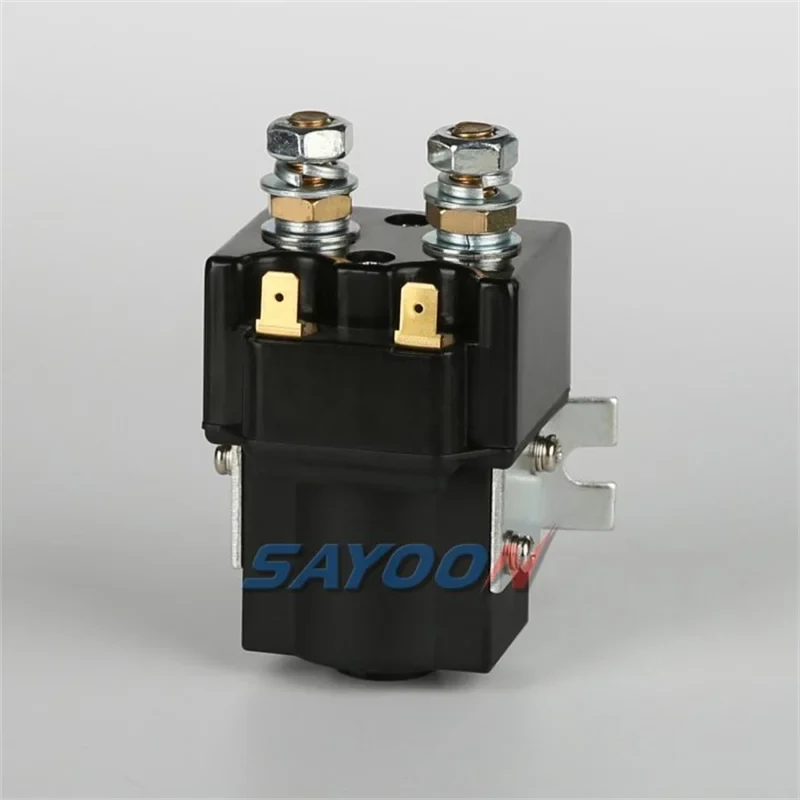
Record the drawing sheet and revision, the labelled circuit location, visible terminal identifiers, and the installed device marking. Pair each item with its evidence source so that a reviewer can distinguish a confirmed label from an inferred function.
The related installed-device record guide helps preserve marking information. For a safe review boundary, consult the safe DC contactor test guide. These support pages do not replace the installed drawing or approved site method.
Part 4. How should the observation be described?
Describe only the observed condition and the circumstance under which it was captured. Include the command or system state where available, but avoid converting the description into a claim about every contact, conductor, or connected load.
| Observation | Pair it with | Do not conclude |
|---|---|---|
| A main-path point was identified | Drawing reference and location | The full path has a stated condition. |
| An indication changed | Signal role and event context | Every main contact followed it. |
| A condition was reported | Source and time sequence | A specific electrical or mechanical cause. |
| A point could not be identified | Labelled image and missing information | The device is unsuitable. |
If the record includes an auxiliary indication, use the auxiliary-signal review guide to keep that signal’s logic role separate from a main-path conclusion.
Part 5. What does the application context add?
Add the equipment’s role, the connected application, and the required action of the circuit in the project. This context lets the reviewer see why a particular observation matters without claiming a rating, duty, or performance result that has not been documented.
For example, record the system function in plain terms, the circuit position, and what decision the team needs to make next. Do not replace those inputs with an assumption based on enclosure form, terminal count, or a similar product image.
Part 6. When is more evidence required?
Request more evidence when the drawing revision is absent, the circuit location is unclear, the observed condition has no source, the installed marking is incomplete, or the application role is unspecified. In those cases, a record cannot support a release, fault conclusion, or substitute selection.
Use this record to open a technical review, not to approve a circuit change or choose a replacement. Obtain the missing evidence before discussing a model or corrective action.
Part 7. How should the record move to product review?
Once the main-circuit record is complete, SAYOON’s DC contactor product range can support family discovery, including the CZW DC contactor line and SZJ DC contactor line. These pages are a later review route, not a model recommendation.
| RFQ input / Buyer should provide | Why it matters | Avoid this shortcut |
|---|---|---|
| Drawing revision and circuit location | Connects the request to the installed design | Sending a product image alone. |
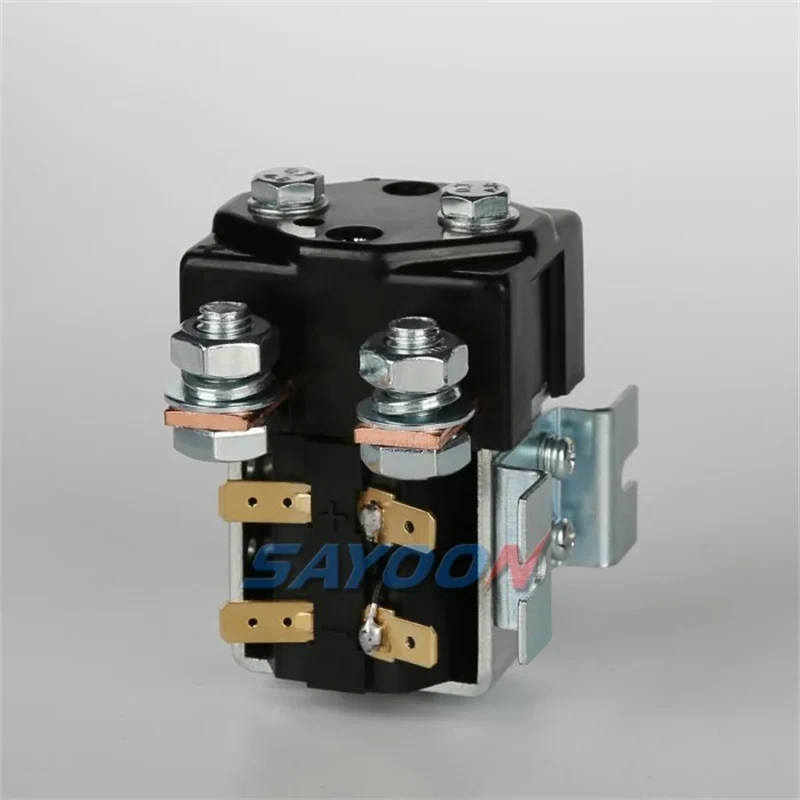
| Device marking and visible terminals | Identifies the observed item | Guessing a model from enclosure shape. |
| Observation source and system context | Makes the statement reviewable | Calling the contactor faulty without evidence. |
| Application role and open question | Defines the documentation needed | Requesting an interchangeable replacement. |
When the package is complete, send the main-circuit record for review with the relevant project documentation.
FAQ
What are the main contacts of a contactor?
They are the contact path identified for the circuit’s primary switching role. Use the installed drawing and device documentation to determine the intended function in a specific assembly.
Does an auxiliary signal prove the main contacts are closed?
No. Record the signal and its drawing-defined logic role, but do not use one indication as proof of every main-path condition.
Why include the drawing revision?
It identifies the design context for circuit location, terminal references, and intended function. A label without the relevant drawing leaves important meaning unresolved.
Can a photograph select a replacement?
No. A photograph is one evidence item. Final selection requires the circuit function, application requirements, and exact product documentation.
What should be recorded about the application?
Record the equipment role, connected application, required circuit action, and the technical question that remains open for review.
What should be included with the RFQ?
Include with the RFQ the drawing revision, circuit location, device marking, visible terminal references, observation source, system context, application role, and open review question.
References
- OSHA hazardous-energy control requirements support the isolation boundary in Part 1.
- OSHA electrical work-practice requirements support the same inspection caution.