Câu trả lời nhanh: A battery string contactor connects one battery string to a shared BESS DC bus only after the controller proves compatible voltage, polarity, insulation, precharge, and communications. In parallel racks, it also isolates a faulty or serviced string without allowing the remaining strings to back-feed it. Safe operation depends on coordinated sequencing, current-sharing limits, string fuses, voltage sensing, feedback diagnostics, and controlled discharge.
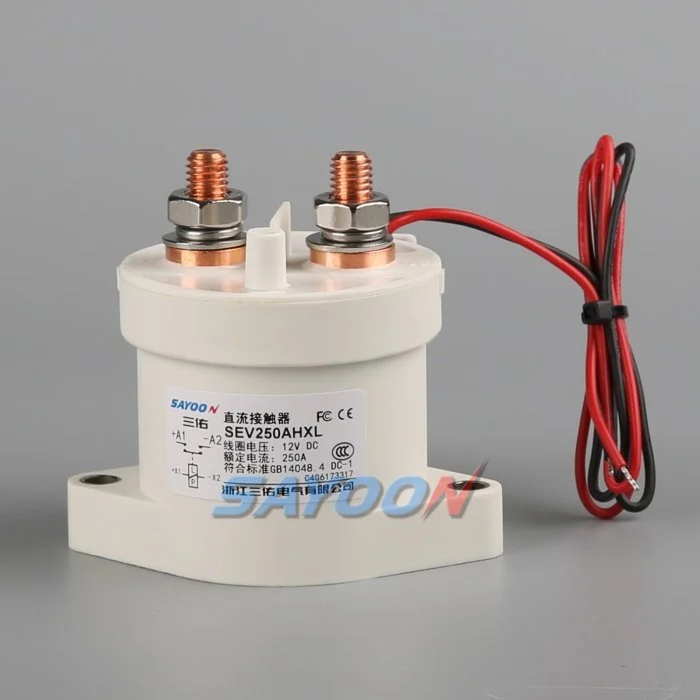
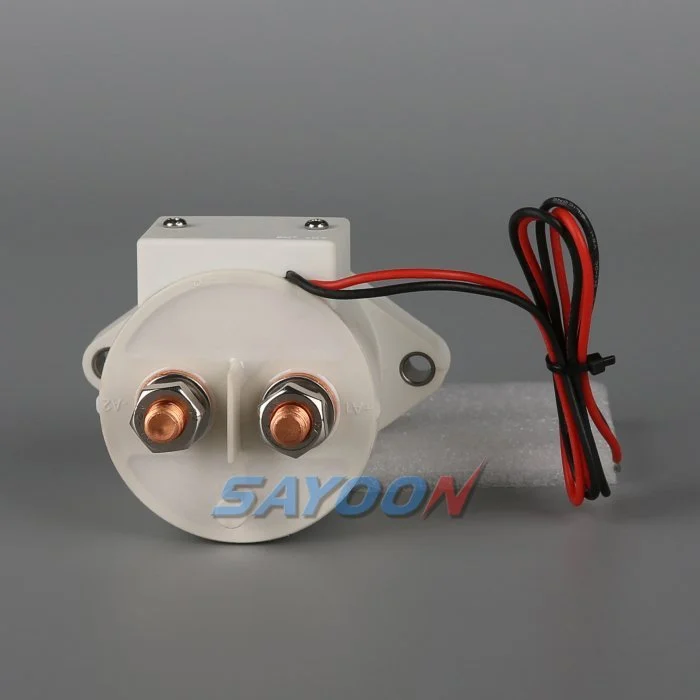
Hướng dẫn này biến chủ đề này thành quy trình thiết kế, vận hành và tìm nguồn cung ứng BESS có thể đánh giá được. Nó sử dụng một thiết bị tiếp xúc thực tế của Sayoon làm tài liệu tham khảo trực quan cho sản phẩm, đồng thời đảm bảo rằng mọi đánh giá, trình tự và quyết định về an toàn đều gắn liền với hệ thống cuối cùng và tài liệu hướng dẫn của nhà sản xuất hiện tại.
Bản đồ quyết định kỹ thuật
| Trạng thái hệ thống | Điều kiện điện năng dự kiến | Tập trung vào thiết kế |
|---|---|---|
| String offline | Both mains open; bus may remain live | Prove isolation on both sides |
| Sạc trước | Precharge path active; mains open | Limit equalization current and verify voltage |
| Parallel online | Mains closed after voltage match | Monitor string current and sharing |
| String fault | Affected string opens; others remain controlled | Coordinate contactor, fuse, PCS, and discharge |
Tham khảo sản phẩm và phạm vi áp dụng
The SEV250AHXL sealed high-voltage DC contactor Đây là một ví dụ về một dòng sản phẩm thực tế có liên quan. Hãy xem xét Hướng dẫn sử dụng động cơ tiếp xúc DC điện áp cao và Hướng dẫn lựa chọn khởi động từ DC (contactor DC) Đối với quy trình làm việc tổng thể. Một kết quả tương đồng về hình thức hoặc dòng điện danh nghĩa không chứng nhận một mô hình cho BESS. Xác nhận điện áp, dòng điện tải, công suất hoạt động, cực, cách điện, nhiệt độ, môi trường, tuổi thọ, lắp đặt, thiết bị điều khiển và bảo vệ cùng nhau.
Why each string needs a controlled boundary
Parallel battery strings share a bus but do not remain identical. State of charge, temperature, internal resistance, cable resistance, and aging change each string voltage and current. A battery string contactor gives the BMS a controlled boundary for startup, fault containment, maintenance, and availability management. It is not a replacement for the string fuse and cannot correct cell imbalance.
The one-line diagram should show positive and negative mains, precharge branch, fuse, service disconnect, voltage and current sensors, insulation monitoring, auxiliary feedback, and the shared PCS connection. Mark every section that can remain energized when a single string is offline.
Match voltage before paralleling
Closing two strings with different open-circuit voltages can create a large equalization current limited mainly by impedance. Before closure, compare string voltage and bus voltage with sensors that have known accuracy and timing. Confirm polarity and communications. Use precharge or another approved matching method where required.
The acceptance window must include sensor error, contactor timing, capacitance, cable impedance, and the BMS strategy. A fixed delay does not prove voltage match. If the bus is outside the approved window, stop the sequence, identify the energizing source, and prevent repeated closure attempts.
Sequence the contactors and precharge path
A typical sequence verifies interlocks and insulation, closes the designated return path, activates precharge, watches bus voltage rise, closes the main path, then opens or de-energizes the precharge branch as designed. The exact order depends on the system. Document the expected voltage and feedback after every step.
On shutdown, reduce PCS current when possible, open the required mains, confirm current stops, and verify the isolated side. The shared bus can stay energized from other strings, so pack-side and bus-side measurements are both necessary.
Manage current sharing after closure
Once parallel, current does not divide perfectly. A lower-resistance or higher-voltage string can take more charge or discharge current. Monitor each string rather than relying only on total PCS current. Set warning and trip logic from validated battery and conductor limits, including sensor uncertainty and transient sharing.
Investigate persistent imbalance through state of charge, cell temperature, contact resistance, fuse and busbar joints, cable length, sensor calibration, and BMS estimates. Do not repeatedly open and close a string to force sharing unless the approved control strategy specifically supports that behavior.
Isolate faults without creating another fault
A string overcurrent, insulation fault, thermal event, communications loss, or contactor mismatch may require isolation. The controller must decide whether to reduce PCS power first, open the affected string, or shut the common bus. Opening under current must remain within the contactor duty and protection concept.
Other strings can feed the fault through the bus until the isolation and fuse sequence completes. Calculate prospective current and clearing energy. Preserve first-fault timing so the team can distinguish a battery fault from a welded contactor, failed driver, or incorrect current sensor.
Detect welded and stuck-open conditions
Compare contactor command, coil current, auxiliary feedback, string current, string voltage, and bus voltage. A closed auxiliary contact does not prove low-resistance main conduction. An open auxiliary contact does not prove that bus voltage has disappeared. Evaluate the complete circuit, including a parallel back-feed path.
After an open command, a persistent current is strong evidence of an unintended path. Similar voltage on both sides may be normal when the shared bus remains energized and the isolated string voltage is close, so use an approved diagnostic stimulus or discharge path rather than voltage equality alone.
Commission strings one at a time
Commission with production-intent racks, busbars, controllers, sensors, fuses, and PCS. Verify polarity, part numbers, drawings, terminal torque, coil supply, suppression, auxiliary logic, and sensor calibration before energizing. Bring one string online through the complete sequence while recording synchronized waveforms.
Repeat for each physical position, then test parallel connection, controlled removal of one string, communication loss, low control voltage, sensor faults, failed precharge, emergency stop, and restart restrictions. Use authorized procedures for hazardous energy and do not bypass interlocks to accelerate testing.
Document the operating envelope
Record the number of strings, battery voltage range, permissible voltage mismatch, charge and discharge currents, transient sharing, current at make and break, precharge capacitance and resistance, fault current, fuse clearing, temperature, enclosure, conductor resistance, switching cycles, coil driver, feedback, and service strategy.
The SEV250AHXL shown here is a product-family reference. Confirm the final part number and product-specific data for the real string duty. Keep calculations, raw waveforms, settings, deviations, and approvals with the as-built configuration.
Manage changes and periodic checks
Review the original evidence whenever cell chemistry, string count, PCS firmware, cable length, busbar, fuse, cooling, sensor calibration, contactor coil, driver suppression, or operating schedule changes. A physically interchangeable part can alter current sharing, pickup margin, release time, or fault coordination. Identify the affected assumptions and repeat the necessary tests.
During maintenance, inspect terminal joints, barriers, conductors, heat evidence, contamination, mounting, control wiring, and diagnostic history. Compare voltage drop and temperature only under comparable current and measurement conditions. After replacement work, exercise the complete approved sequence under representative load and confirm that one isolated string cannot be energized through the common bus or an auxiliary path. Record the reviewer and final disposition.
Kiểm soát an toàn và bằng chứng
Đối xử với pin, tụ đồng bộ, tụ biến áp, giá đỡ song song, vật tư phụ trợ và thiết bị thử nghiệm như các nguồn năng lượng nguy hiểm cho đến khi một người được ủy quyền áp dụng quy trình cách ly vị trí và xác nhận trạng thái cần thiết bằng các thiết bị có hiệu suất. Không nối tiếp các chân tiếp nhận tín hiệu, không ép buộc cuộn dây, không phá vỡ các rào cản điện áp cao và không mở thiết bị ngoài phạm vi chức năng chuyển mạch được cấp phép. Một BESS có thể vẫn duy trì trạng thái hoạt động từ một hướng không rõ ràng trên sơ đồ điện đơn giản.
Xây dựng các giới hạn chấp nhận dựa trên dữ liệu chính xác của sản phẩm, các yêu cầu hệ thống đã được phê duyệt và các thử nghiệm đại diện. Lưu giữ mã đặt hàng, bản sửa đổi bản vẽ, tùy chọn cuộn dây, bản đồ tiếp xúc, bố cục dây dẫn, vị trí dụng cụ, hiệu chuẩn, nhiệt độ, phiên bản phần mềm, dạng sóng gốc, tiêu chí thông qua/không thông qua, sai lệch và người đánh giá. Phân tách các dữ kiện đo lường khỏi các giải thích. Khi thiếu bằng chứng, hãy ghi lại hành động mở thay vì nhập một giá trị thông thường.
Hướng dẫn kỹ thuật liên quan
Sử dụng Hướng dẫn định cỡ điện trở precharge, Hướng dẫn về tính hợp lý của phản hồi của người điều khiển, Hướng dẫn chịu dòng điện ngắn mạch, và Hướng dẫn phối hợp cách nhiệt như các kiểm tra bổ sung. Các trang này đề cập đến các quyết định khác nhau và nên được áp dụng cho cùng một ranh giới hệ thống đã được phê duyệt.
Video giáo dục
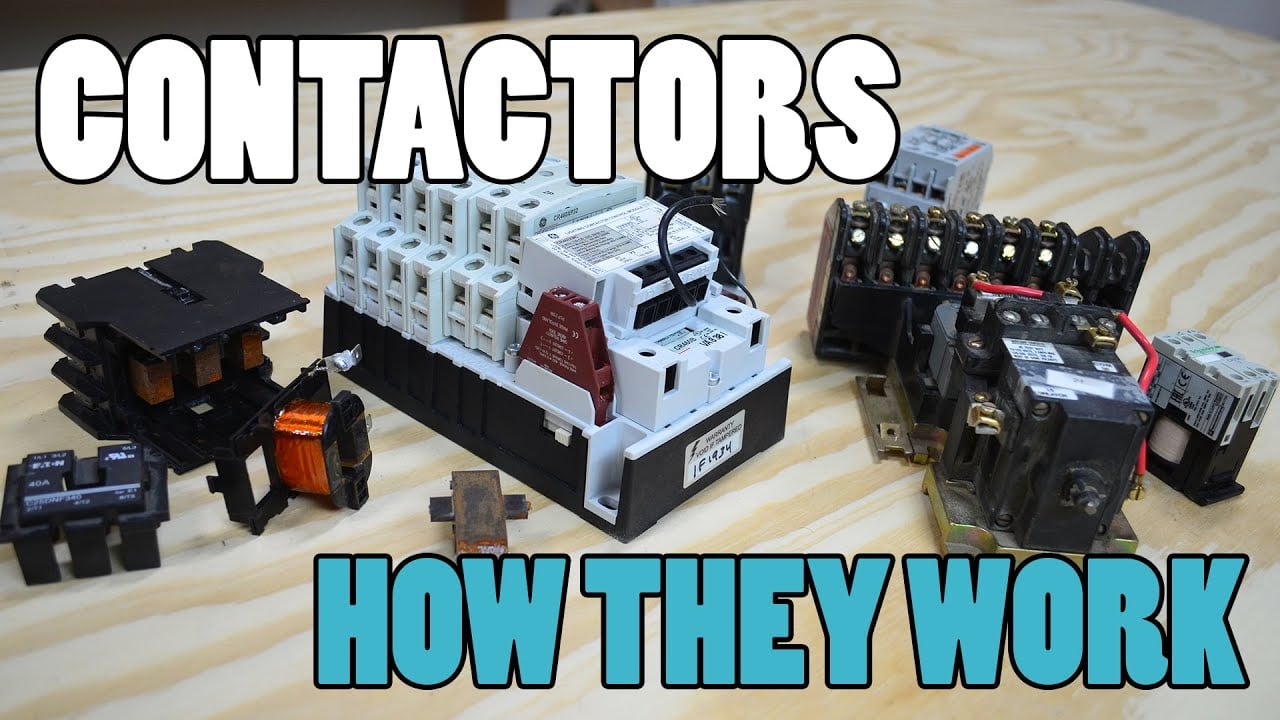
Contactor là gì và hoạt động như thế nào? bởi Electrician U cung cấp thông tin về hoạt động của bộ ngắt điện và công tắc điện áp cao. Nó không thay thế các yêu cầu thiết kế bằng văn bản hoặc việc xác nhận riêng cho từng sản phẩm.
Xem video giáo dục trên YouTube.
Các câu hỏi thường gặp
What is the first rule for battery string contactor?
Xác định ranh giới của mạch và mọi nguồn có khả năng cung cấp năng lượng cho nó, sau đó xác minh chính xác hoạt động của thiết bị dựa trên các dạng sóng điện áp và dòng điện đã đo được.
Liệu thông tin phản hồi bổ sung có thể chứng minh rằng các liên hệ chính vẫn còn mở không?
Không. Phân tích mối tương quan giữa trạng thái phụ với điện áp bus, dòng điện chuỗi, dòng điện cuộn dây, thời gian và tất cả các đường dẫn hồi tiếp có thể xảy ra.
Liệu một contactor có nên thay thế cầu chì dây không?
Không. Bộ phận tiếp xúc cung cấp chức năng chuyển mạch có kiểm soát, trong khi cầu chì bảo vệ dòng điện quá tải. Nhiệm vụ chịu tải và ngắt dòng của chúng phải được phối hợp.
Dữ liệu nào nên được bao gồm trong yêu cầu cung cấp báo giá cho bộ phận tiếp xúc BESS?
Đưa vào phạm vi điện áp, dạng sóng dòng điện, chế độ làm việc bật/tắt, hướng dòng điện, tính năng sạc trước, dòng điện quá tải, bảo vệ, nhiệt độ, cách lắp đặt, điều khiển cuộn dây, phản hồi và mục tiêu tuổi thọ.
Các tài liệu tham khảo có thẩm quyền
- Tiêu chuẩn OSHA 1910.147 – Kiểm soát năng lượng nguy hiểm
- Tiêu chuẩn OSHA 1910.333 — Thực hành công việc điện
- IEC 60947-4-1 — Van cầu và bộ khởi động động cơ
- Bộ Năng lượng Hoa Kỳ — lưu trữ năng lượng
Hãy sử dụng các phiên bản và yêu cầu được thông qua trong dự án. Các tiêu chuẩn và thông số kỹ thuật có thể thay đổi, vì vậy nhóm kỹ thuật chịu trách nhiệm phải xác nhận thiết kế cuối cùng.