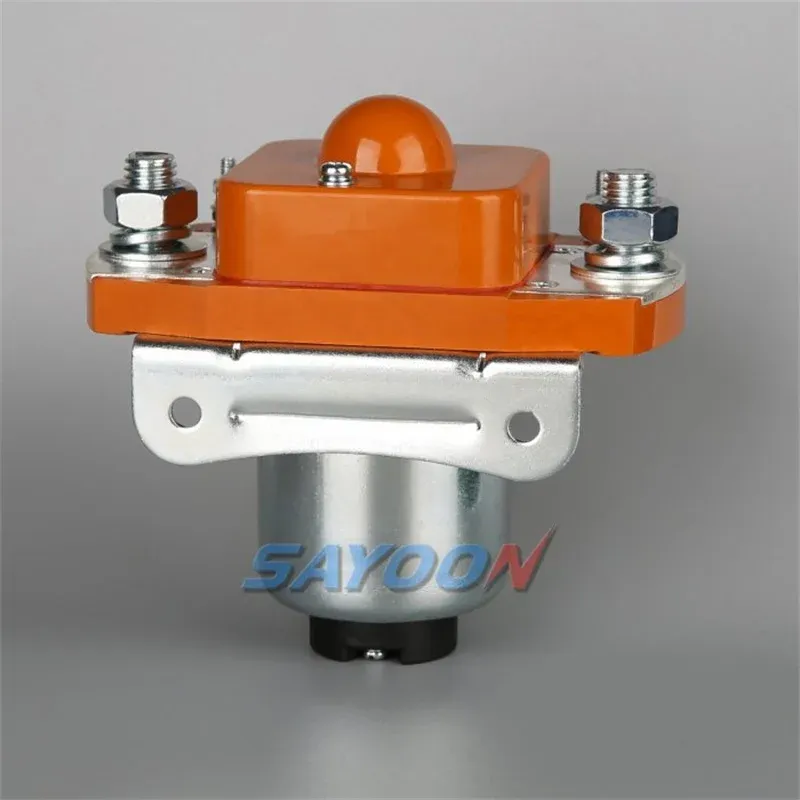
The 12V coil contactor is a vital piece of equipment that is used as a means of controlling electrical current for various applications. It provides low voltage control over high powered devices, and thus makes it an integral part of many applications including automotive systems, industrial machinery, HVAC systems and home automation. However, what is a 12V coil contactor? How does it work? Why is it so important? This guide will provide you with all the answers you need, as well as important information to assist you with your decision-making process when deciding to use a 12V coil contactor or not.
What Is a 12V Coil Contactor?
The term “12V coil contactor” describes an outdoor type of electromagnetic switch that provides an electrically operated means for controlling high current circuits with low voltage. When you read “12V” in the name of this type of switch, it indicates that 12 volts DC will be required to energise (turn on) its own coil – this coil is composed of several turns of wire wrapped around a non-magnetisable core, which creates a magnetic field within (to cause the switch to operate). A contactor is required wherever it is necessary (to activate or deactivate) to switch ON an electrical control device using a safe low voltage signal, to operate at high voltage or current.
One way to understand how a contactor operates is as follows. When the contact is made with the magnetic field produced by an energized coil, it causes that electrical contact to then either be physically closed (as when the coil is constantly energized) or physically opened (as when the coil is de-energized). This will allow you to control your ability to manage large amounts of electricity using your 12V battery in conjunction with a contactor’s electrical contacts – without having high voltage at the control interface!
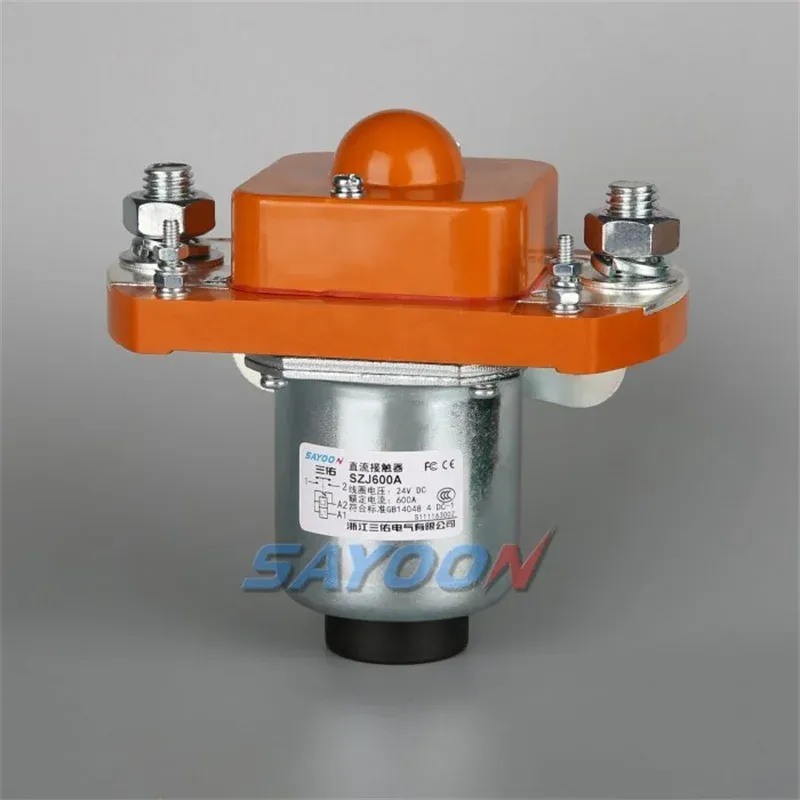
How Does a 12V Coil Contactor Work?
Electromagnetic principles are used to operate 12V DC coil contactors. When voltage is applied to a coil, the magnetism in the coil creates an electromagnetic effect. This effect causes the electromagnet to pull on a metal piece called an armature that moves toward the coil (electromagnet). By moving the armature, it closes contacts on a circuit, completing the path for electrical current to reach a load.
When the coil’s power goes away, the magnetic field fades and a spring pushes the armature back into its original position. This “off” state of the coil stops current flow to the load by breaking the circuit. That on/off capability makes contactors suitable for controlling large electrical loads (such as motors) remotely with low voltage safe to touch.
Common Applications of 12V Coil Contactors
12V coil contactors are used in many different industries due to their effectiveness and versatility. Below are a few examples of where they can typically be found in use:
1. Automotive Applications: Vehicles making use of 12V coil contactors can be found in many applications, including but not limited to the following: Lighting Control, Heavy Duty Accessories (E.g. compressors), and Electric Auto Motors (i.e. starters) and/or large volume applications such as a winch operation.
2. Industrial Machinery: These contactors are used in manufacturing facilities to control things like heavy-duty motors, conveyor belts, and other industrial systems that need a dependable way of switching high currents or high-power loads.
3. HVAC Systems: In heating, ventilation, and air conditioning (HVAC) systems, contactors are critical components for controlling devices such as compressors, blowers and fans. The low voltage controls (low voltage/higher voltage) provide a method of safely utilizing high-powered electrical equipment.
4. Renewable Energy Setup: Most solar & wind energy systems used in the market use 12-volt coil contactors to switch electrical flow among batteries, inverters and loads.
5. Home Automation: Smart homes typically have 12V coil contactors (for example) that control their lighting systems, security systems, etc. Usually integrated in smart relays/switches, they allow remote control via a home automation system.
Key Benefits of Using a 12V Coil Contactor
The widespread use of 12-volt relay switches for powering electrical devices was done with precision engineering; therefore, here are the main positive aspects associated with this type of 12V coil relay switch:
1. Safety: A low coil voltage requirement guarantees that the device will work safely, making it particularly suitable for applications where people will use them.
2. High Efficiency: These contactors can carry large amounts of current through very efficiently powered coils. Therefore, they are considered energy efficient.
3. Durability: Quality contractors are built to withstand high demands. These contractors are designed for heavy mechanical stress as well as general wear and tear for extended periods.
4. Flexibility: There are a variety of contactors available to meet your needs, including single-pole, double-pole and triple-pole contactors. You can select any type of contactor depending on whether it is for an automotive or industrial application.
How to Choose the Right 12V Coil Contactor
Selecting a 12V DC coil-contactor that will operate correctly in your application is critical for effective operation and system safety. To assist you in making a selection, we have compiled a list of considerations to take into account.
1. Current Rating: A very important factor to consider is the contactor’s rated current. This is important because the contactor must be able to provide enough current for the maximum amount of current you will need from your load. If too much current is sent through the contactor it may damage the contactor as well as cause the entire system to fail.
2. Coil Voltage: In this guide, we focus on using 12V coils to energize contactors. In order to successfully energise the coil of the contactor you are using, it must receive the correct voltage from the application. Otherwise, you will most likely need to find a different type of contact to operate that application.
3. Poles: Count the number of circuits you will need to control. A single pole contactor only controls one circuit, whereas a two pole contactor can control a maximum of 2 separate circuits; therefore, they are better suited to a complicated electrical application.
4. Type of Load: The kind of load that you will be controlling through your contactor needs to be considered. Contactor controls that manage inductive loads (motors & transformers), have an inductive load created from the magnetic field, therefore producing arcing when the contactor opens & thus needs to be designed accordingly for quite a bit of robustness. Contactor controls over resistive loads (heaters & lamps) tend to be easier & do not require as heavy duty of a contactor.
5. Environmental Factors: In order to be used for extreme conditions, such as with high environments, contactors must be chosen to meet those conditions as well. Contactors should be selected for such conditions by choosing the proper enclosure or material type.
FAQs About 12V Coil Contactors
How does a 12V coil contactor work? By supplying power to the 12V coil of the contactor through an internal electrical coil, a magnetic field is generated which pulls an armature, allowing movement to open or close electrical contacts. This allows electricity to flow to devices connected to the contactor.
What is the difference between a relay and a contactor? Although relays and contactors share some similarities; however, relays are generally used in low power applications as opposed to contactors. Conversely, contactors are equipped specifically to manage high-power operational systems. Furthermore, contactors are more durable than relays and are able to provide frequent switching capabilities in factory and high-force environments.
Can I use a 12V coil contactor for AC and DC loads? Yes, but it also depends on the device or type of contactor being used. Some 12 Volt coil contactors are designed to be used with DC loads, while others will be able to handle AC loads or have specific ratings relative to the load they can accommodate or operate. Make sure that your selected Contactors have the specifications needed for your specific application.
How do I maintain a 12V coil contactor? To prolong the life of a contactor, frequent and thorough check-ups should be completed as needed. Inspecting for signs of excessive wear (such as pitting or burning on the contacts) along with a thorough cleaning of dirt & debris collected on the contactor are some very important parts of keeping your contactor working effectively. Any worn-out components should also be replaced as soon as possible.
Can I use a 12V coil contactor in a 24V control system? If you use a 12V coil contactor in a 24V electrical circuit, you will likely fry the coil because the voltage will exceed the rated voltage by more than 50%. Always ensure that your contactor has the same coil voltage as your system’s control voltage to ensure safe and efficient operation.
Conclusion
A 12-volt coil Contactor performs multiple roles and can interface with both low voltage control systems and high-power electrical loads; thereby providing a bridge, or interface, from one system to another. These contactors are used in many applications such as automotive, industrial, and so on. Understanding How A Contactor Works & Knowing The Types Of Applications Will Help You Decide Which One Is Right For Your Project.
When looking for a 12V coil contactor; it’s important to consider the current rating of the contactor; the type of application it is being used for; and the environmental conditions relating to the application. Having proper electrical equipment will keep your electric system safe, reliable and efficiently operating. If you have any doubts regarding compatibility or installation of the contactor please consult a professional.