الجواب السريع: An 800V EV contactor must be selected for the battery’s maximum charged voltage and transients, not the nominal architecture label. It must also satisfy insulation coordination, DC make and break duty, bidirectional current, thermal rise, precharge, short-circuit coordination, coil-driver behavior, feedback diagnostics, environmental stress, and the vehicle’s required switching life.
يُمكِّن هذا الدليل الهندسية من تحويل الموضوع إلى سلسلة قابلة للتحليل لفرق البطاريات، ومحركات الحماية الذكية، والاختبار، والتموين، والخدمة. ويستخدم العائلة الحقيقية للمنتجات كمرجع، مع الحفاظ على ربط كل تصنيف وتقييم قرار السلامة بالاستخدام النهائي والوثائق الحالية للمصنع.
خريطة القرارات
| الحالة التشغيلية | الأدلة المتوقعة | تركيز على الهندسة |
|---|---|---|
| Maximum working voltage | Highest charged pack plus defined operating tolerance | Use model-specific DC ratings and system transients |
| Insulation | Clearance, creepage, dielectric and pollution environment | Coordinate pack, enclosure, altitude and service access |
| Current duty | Traction, regeneration, charging and fault opening | Separate continuous, peak, make and break conditions |
| Protection | Fuse, pyrofuse, precharge and discharge coordination | Prove fault energy and safe isolation sequence |
المرجع المنتج وحاجز التطبيق
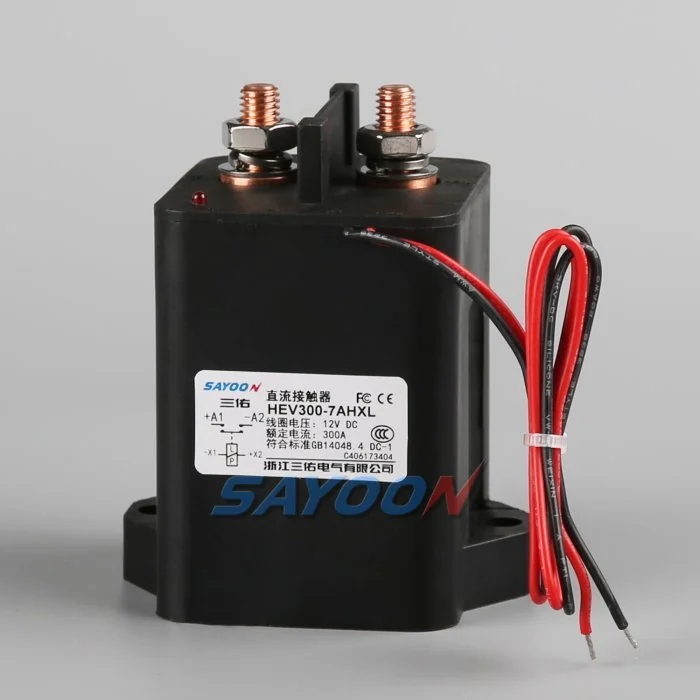
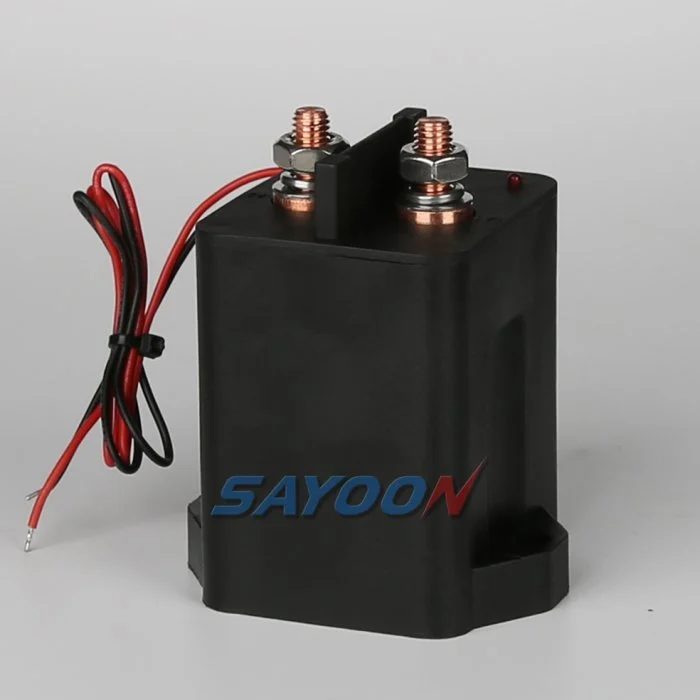
ال HEV300 high-voltage sealed DC contactor المنتج المعروض هنا هو مرجع حقيقي لمنتج Sayoon. راجع مجموعة المقاومات الثنائية الجهد العالي بالنسبة للفئات الحالية المجاورة. لا يحدد التصميم وسمة العائلة موافقة على أي مركبة معينة. يجب مراجعة الرقم النهائي للوحة القيادة، وخيار المقبس، والرسومات، والواجبات الكهربائية، والحرارة، والبيئة، والحياة، وتنسيق الحماية بشكل متكامل.
800V is an architecture class, not one fixed voltage
An “800V” vehicle does not operate at exactly 800 V in every state. The pack voltage changes with cell chemistry, series count, state of charge, temperature, and load. Charging and regeneration can place the pack near its maximum charged voltage, while switching transients can briefly add stress. Specify the minimum, nominal, maximum continuous, and defined transient voltages.
Select the contactor using the manufacturer’s approved DC voltage conditions and insulation data. Do not approve a device merely because its name includes 800 V or because an AC insulation number looks high.
Insulation coordination and altitude
Higher voltage increases the importance of creepage, clearance, dielectric withstand, pollution degree, material group, sealing, and the distance to grounded metal. Altitude reduces air density and can require larger clearances or derating. The completed battery junction box—not the contactor alone—must maintain the required insulation under condensation, contamination, vibration, and service conditions.
Review terminal spacing, busbar geometry, mounting hardware, sensors, connector pins, and enclosure ribs. Use the standards and vehicle requirements adopted by the project; do not copy a spacing number without matching the environment and overvoltage category.
DC interruption at higher voltage
A DC arc does not naturally cross zero. At higher voltage, the contactor’s arc-control system, contact gap, opening speed, magnetic field, gas sealing, and current direction become critical. Continuous current and breaking current are different ratings. Confirm make and break performance at the maximum voltage, actual load inductance, and the required polarity or bidirectional condition.
Normal control should reduce inverter or charger current before opening when safe. Emergency opening, crash isolation, and fault interruption require separately qualified duties and protection coordination.
Thermal current and power relationships
For the same power, higher voltage can reduce current, but that does not automatically make the contactor cooler. Fast charging, launch, regeneration, enclosure temperature, terminal resistance, and busbar design still determine heating. Contact loss is approximately I²R, and joint resistance outside the contactor can become equally important.
Use measured current profiles and thermal boundary conditions. Verify temperature rise at the terminals and body with the production busbar, torque, conductor size, airflow, and neighboring fuse or pyrofuse.
Precharge and discharge
The inverter DC link must be charged through a controlled path before the main contactor closes. At 800V-class levels, the stored energy and make-current consequence are substantial. Size the resistor and precharge contactor for maximum voltage difference, capacitance, pulse energy, repeat duty, and temperature. Close the main contactor only after measured voltages meet the approved ratio and timing window.
After opening, verify that the discharge circuit reduces the load-side bus to the vehicle-defined safe threshold. A timer without voltage confirmation cannot prove the bus is safe.
Bidirectional current and charging compatibility
Traction current flows from the battery to the inverter, while regeneration and DC charging send current toward the battery. Confirm that the main contactor carries and switches the required directions. Some 800V vehicles also interact with lower-voltage chargers through a booster or reconfiguration strategy, which can create additional contactor states and switching sequences.
Map each configuration and prevent two contactors from creating an unintended parallel or series path. Add feedback and bus-voltage plausibility checks for every state.
Short-circuit and crash coordination
Define the prospective pack fault current, battery impedance, cable and busbar inductance, fuse or pyrofuse clearing behavior, and the contactor’s required withstand or interruption duty. The contactor is not a substitute for a fuse, and a fuse does not provide repeatable functional switching. The safety concept should state which device acts first and what energy remains downstream.
After a crash event, inhibit reclose, verify isolation and discharge, and require inspection of the contactor, terminals, busbars, fuse, precharge branch, and trigger circuits before service release.
Coil drive, feedback and EMC
The low-voltage coil driver must provide reliable pull-in during supply sag and controlled release during faults. Suppression changes opening time and driver stress. Capture coil current, command, auxiliary feedback, pack voltage, and load-side voltage on one time base. Use independent voltage evidence to detect welded or stuck-open main contacts.
At 800V-class switching levels, layout, shielding, grounding, and measurement isolation affect EMC and diagnostic accuracy. Validate the production harness and controller, not only a short bench setup.
RFQ and qualification checklist
Provide minimum, nominal, maximum and transient pack voltage; continuous and peak currents; current direction; make and break waveforms; DC-link capacitance; precharge and discharge requirements; short-circuit source; protection clearing time; insulation environment; altitude; temperature; vibration; sealing; coil voltage; driver and suppression; auxiliary logic; life; mounting; busbars; and required approvals.
The HEV300 shown here is a product reference. Confirm the exact voltage, current, insulation, coil, and endurance data for the final model and production installation.
سجل القبول
إنشاء سجل موحد يحتوي على رقم القطعة الكامل، وتاريخ التصميم، وخيارات المقبس، ووظائف المقبس، ومجموعة الجهد، وموجة التيار، وحالة التبديل، وتفاصيل الشحن والإفراج، والبرمجيات المساعدة، وحالة HVIL، والحماية، ودرجات الحرارة المحيطة ومواصفات الغلاف الخارجي، وتوجه التركيب، وتفاصيل المقودات والبطاريات، ومواقع الأجهزة، وحالة الاختبار، وإصدار البرنامج، وحدود النجاح/الفشل. قم بتمييز القيم المقاسة عن القيم في الكتالوج، وقم بتسجيل أي دليل مفقود كعمل مفتوح بدلاً من إدخال قيمة نموذجية.
اختبار الحدود الهامة: إمدادات الملفات المنخفضة والمُرتفعة، والظروف الباردة والساخنة، وأطول حزام معتمد، ودورات متكررة، والحالة غير الطبيعية المحددة في مفهوم السلامة. تسجيل الأمر، وتوليد الجهد والتيار، والردود التكميلية، وتوليد الجهد في العبوة، وتوليد الجهد في جانب الحمل، وأعلام الأعطال على قاعدة زمنية واحدة. وقف إعادة المحاولات التلقائية بعد عدم مطابقة غير مبررة، وعزل الطاقة المخزنة، والحفاظ على أدلة الاعطال الأولية. تصوير الإعداد وتخطيط المحطة الطرفية، وتحديد كل نقطة مسح، وتسجيل حزام التوصيل ومحطة التوصيل المعتمدين حسب الغرض من الإنتاج، وتوضيح سبب سلامة كل عتبة. تكرار عينة تمثيلية بعد الاستقرار الحراري وبعد مرحلة التحمل المخطط لها. يجب أن لا يمحو هذا التسجيل عيباً سابقاً ناجحاً. تسمح هذه السجلات بمقارنة عينة بديلة، وتعديل المورد، وتحديث البرامج الثابتة، أو تغيير حزام التوصيل مع نفس خط الأساس المعتمد.
Also verify labeling, service documentation, isolation points, and change-control approvals before the production design is released to vehicle assembly.
دليل Sayoon ذات الصلة
استخدم دليل اختيار موصل التيار المستمر, سير عمل اختبار الملامس الآمن, ، و دليل وقت الفتح والإغلاق للمقررات التكميلية. feedback plausibility guide explains command, auxiliary, and bus-voltage correlation.
فيديو تعليمي
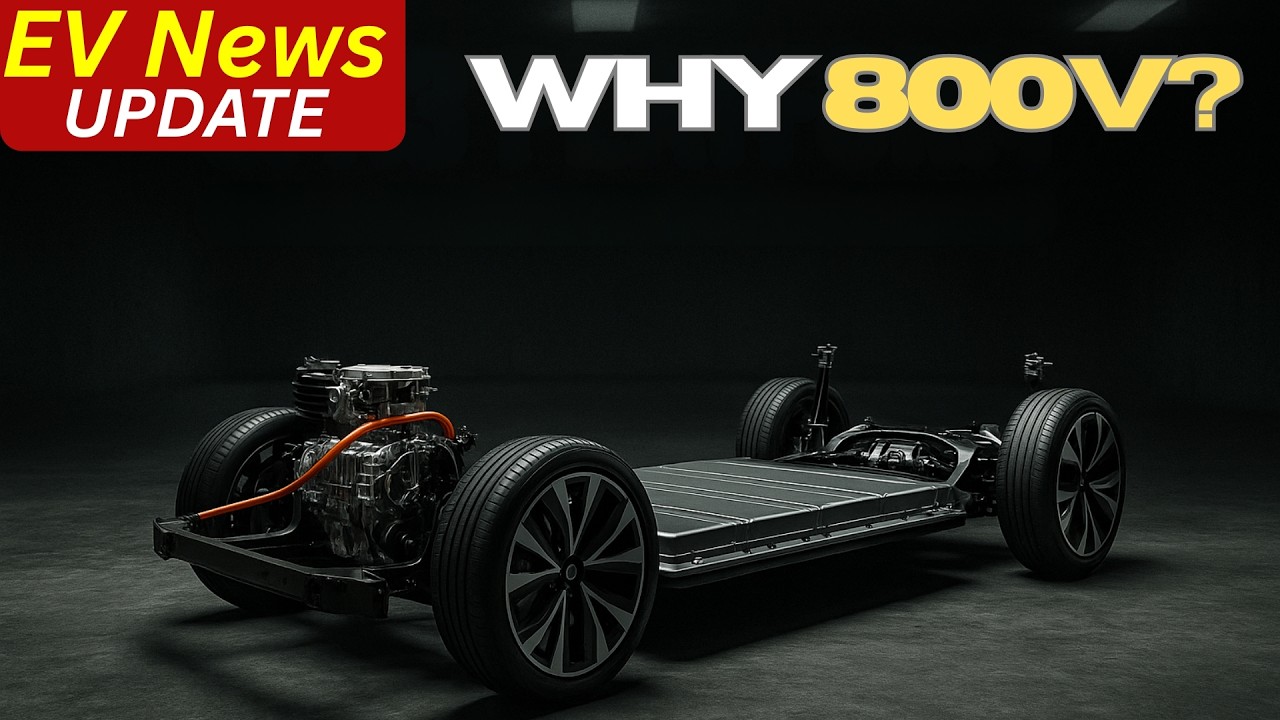
WHAT IS 800-Volt Architecture in EVs? by EV Zone provides visual background related to this engineering review. It does not replace the written requirements, product data, or vehicle safety procedure.
شاهد الفيديو التعليمي على يوتيوب.
الأسئلة الشائعة
What is the most important check for 800v ev contactor?
ابدأ من أعلى جهد وواجهة تحويل حقيقية، ثم تحقق من بيانات المكونات المانعة للاتصال بدقة، وسلسلة التحكم، والتركيب، وسلوك العطل معًا.
هل يمكن لمسؤول مساعد أن يثبت أن الوصلات الرئيسية صحية؟
لا. يحدد آلية تقارير ردود الفعل التكميلية حدودها. استخدم جهد التوصيل، والوقت، وتيار الملف، وحالة الدائرة كأدلة مستقلة.
هل يمكن استخدام تصنيف التيار الاسمية كقاعدة اختيار شاملة؟
لا. التيار المستمر، التيار الناتج، التيار المقاوم، الجهد، درجة الحرارة، القطبية، العمر، العزل، وتنسيق الحماية هي ظروف منفصلة.
ما هي المعلومات التي يجب إرسالها مع طلب التوريد؟
ارسل بيانات موجات الجهد والتيار، وخط سير التحويل، وبيانات عن الملف اللولبي والمدّارة، وعمليات التفاعل، والحماية، والتركيب، ومستوى العمر المستهدف، والأدلة المطلوبة للاختبار.
مصادر موثوقة
- SAE J1766 electric and hybrid vehicle safety practice
- تكساس إنستلكتريكس، استخدام مقابس عالية الجهد في السيارات الكهربائية والسيارات الهجينة
- NHTSA electric-vehicle safety information
- Berkeley power electronics technical report
استخدم الطبعة والمتطلبات المعتمدة من قبل برنامج السيارة. قد تتغير المعايير وبيانات الموردين، ويجب على فريق الهندسة المسؤول التأكد من التصميم النهائي.